Cycling Channel to the Med, Day 1: Ouistreham to Bagnoles de l’Orne

This post recounts the first day of my English Channel to the Mediterranean cycle tour in France with Peak Tours in June 2025.

Prologue: Sword beach, Ouistreham

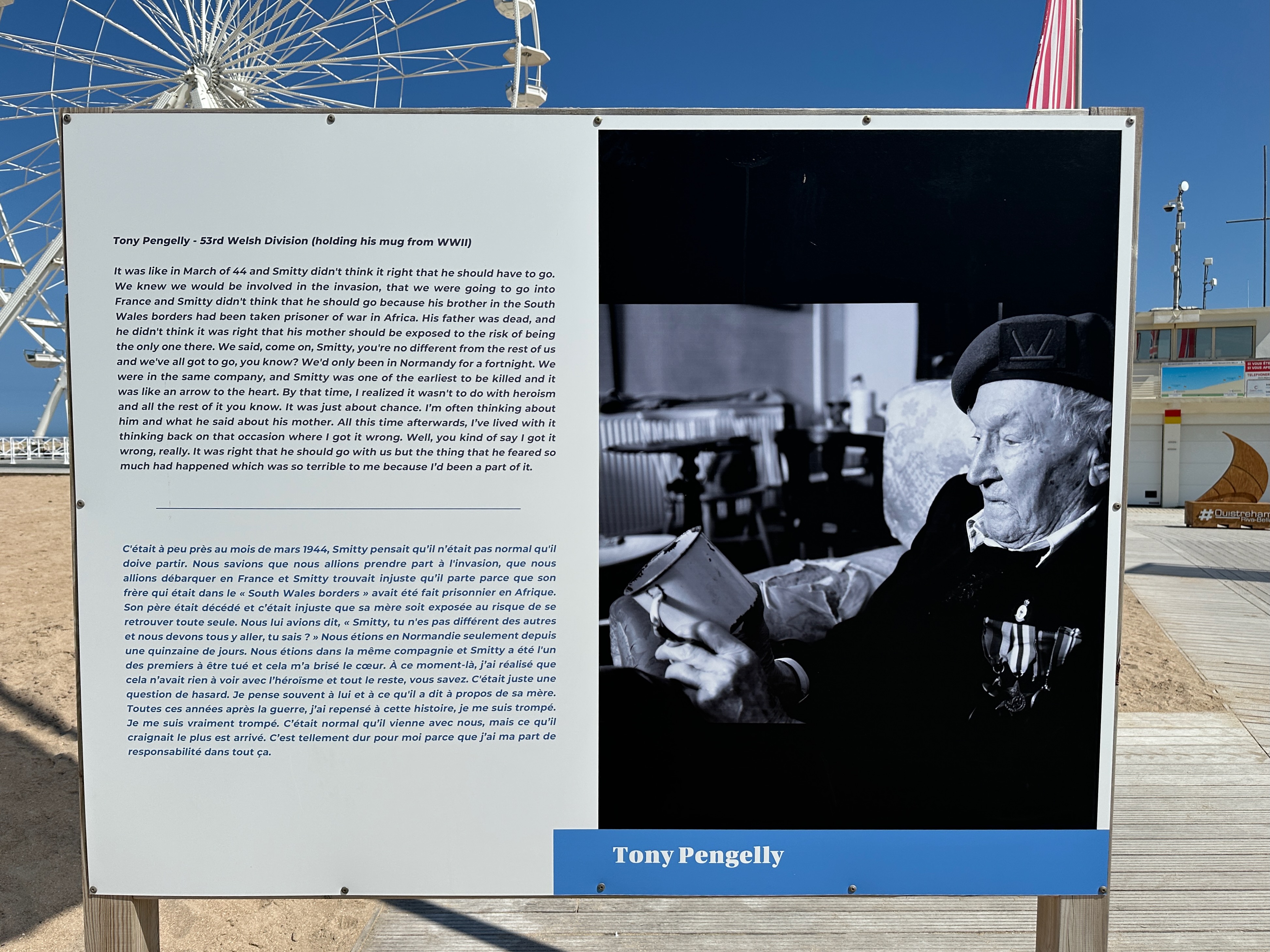
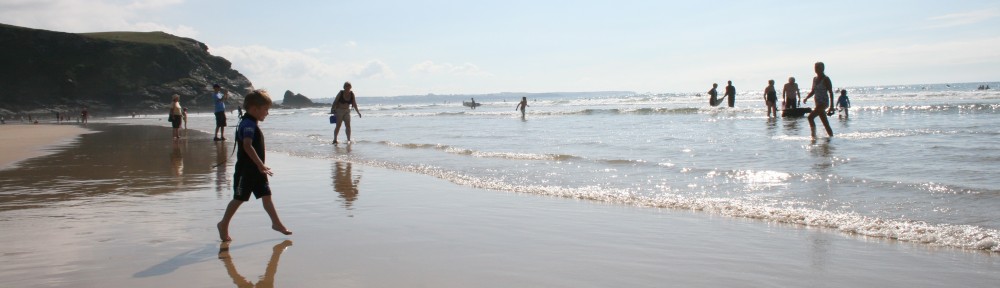
Today. Ouistreham is a peaceful place to land in France. But as I walked along the sand with the English Channel by my side, I marvelled at the stark contrast with the experience of the men who fought their way up this beach – immortalised as Sword beach – on 6 June 1944. I reflected on the individual stories told on a series of plaques along the beach walkway, such as fellow Welshman Tony Pengelly, featured in a photo above. These men were just a year or so older than my late father Bob, who joined the British Army himself some six months after D-Day on turning 18. However tough I found cycling from here to the Mediterranean, it would be nothing compared with the hell endured by that extraordinary generation of men and women of many nations as they liberated Europe over 80 years ago.

An easy start

Our long journey to the Mediterranean began at the fish market at Ouistreham, following the west bank of Caen canal to that city. As we set off I realised my Garmin was still set to kilometres following last weekend’s Bryan Chapman Memorial 600km audax ride in Wales. I switched back to miles, just to make it easier to cross reference the Peak Tours route directions in case of Garmin issues. This proved a smart move…

Just three miles into the ride, we came to Pegasus Bridge at Bénouville. British troops captured this critical crossing just 26 minutes into D-Day, a mere 90 minutes after taking off from Dorset in Horsa gliders, and hours before the landings on the Normandy beaches. The bridge that we saw was a 1990s replacement of similar design to the 1934 original, which is now in a nearby museum.

We didn’t have time for a coffee at Café Gondrée, whose wartime owners were active in the French resistance. I was once served by their daughter Arlette, who took over this historic institution after her parents died. She is now in her eighties. One of our party recalled meeting the legendary older Gondrée owners in the 1970s.

Our first navigational doubts came in Caen, but we reached a consensus and continued on the right route. Today’s city lacks the character of many historic cities across Normandy because of its near total destruction in the weeks after D-Day. The Allies hoped to capture Caen on that critical day, but its liberation came six brutal weeks later, at a bitter price: the loss of 30,000 Allied troops, 3,000 civilians as well as the loss of most of the historic city.

After we left the canal, we followed an old railway line south of Caen. This is now part of the Vélo Francette, a marked cycle route that wends its way to La Rochelle on the Atlantic. It reminded me of the Tâmega trail on my Portugal end to end tour in 2023. Some 18 miles after setting off, we had our first ‘brew stop’ near Amayé-sur-Orne. These morning and afternoon stops are a brilliant idea by Peak Tours, as I found on my first tour with them in 2019, Land’s End to John O’Groats. They guarantee you will be well fuelled for the remaining miles to lunch or your afternoon destination. (The Yorkshire Tea was popular – even in the heat of later days!)
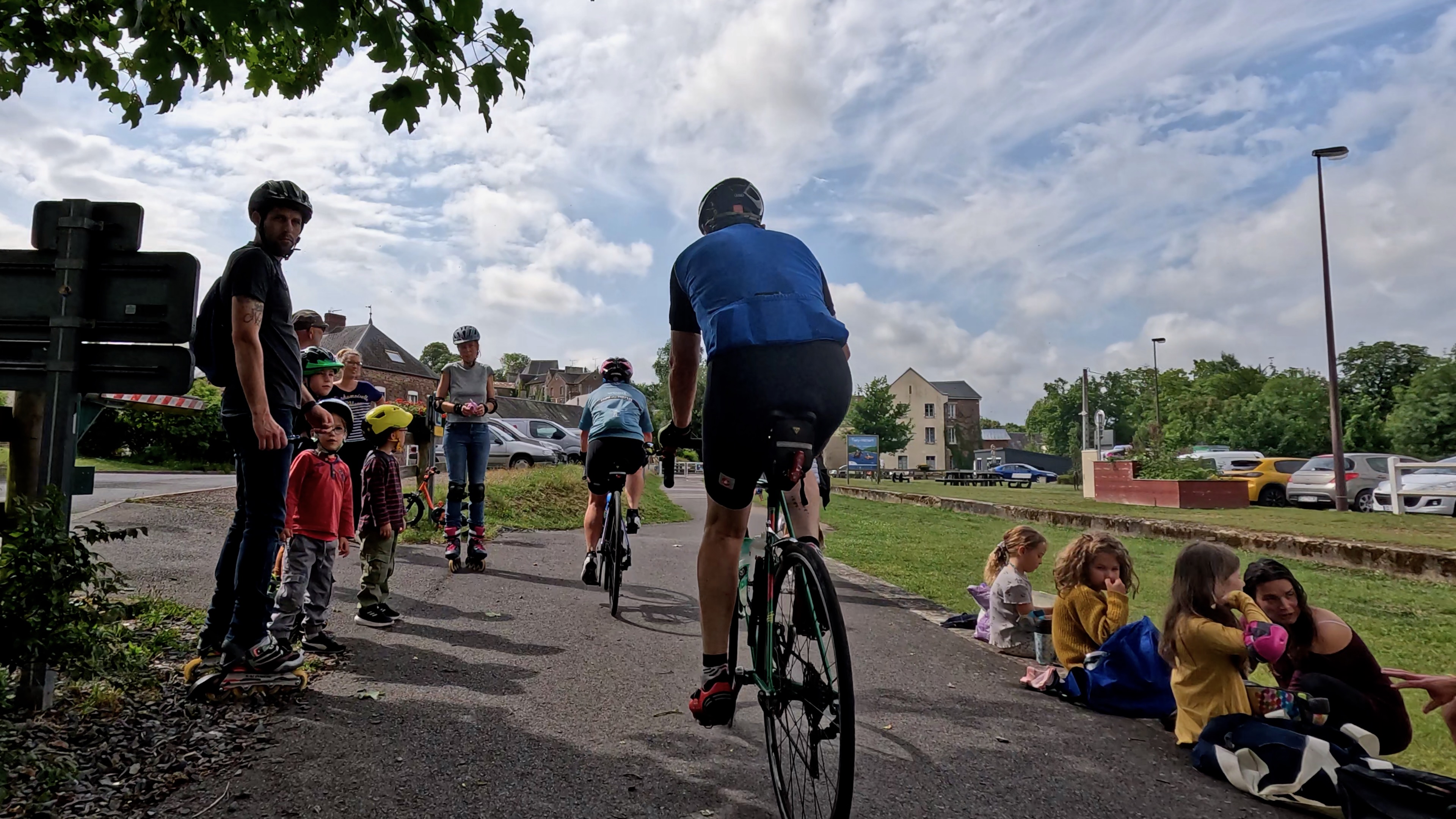
It was fun weaving our way through the families enjoying their Saturday morning activities at Thury-Harcourt. It was here that I nearly came a cropper after misjudging my path between barriers across the trail. But all was well.

We were now following signs for Suisse Normande (Swiss Normandy). While Normandy is hardly mountainous, the name does confirm that it has its fair share of hills, which we’d be climbing after lunch at Clécy. We were briefly delayed by two moments of navigational uncertainty on either side of the bridge over the Orne. Once again, the route notes solved the riddle: ‘cross over the [river] bridge’ and turn left after ‘some recycling bins’ proved conclusive. It is curious how cycling satnav devices occasionally prompt such doubts compared with car navigational systems. You’d think our slower speeds would prove ample time to display the exact turns – or is it the fault of the GPX route files that we use?

Clécy

I’d been looking forward to seeing Clécy after staying here on two cycle tours in 1998. I stayed in the loft of an outhouse in the garden of a hotel on both occasions – which featured in a photo in a Normandy guide! We had a steep climb up to town from there. Only after we passed through this time after an enjoyable lunch at the Aux Rochers restaurant did I realise that my 1998 stop was on the other side of town, away from the river.
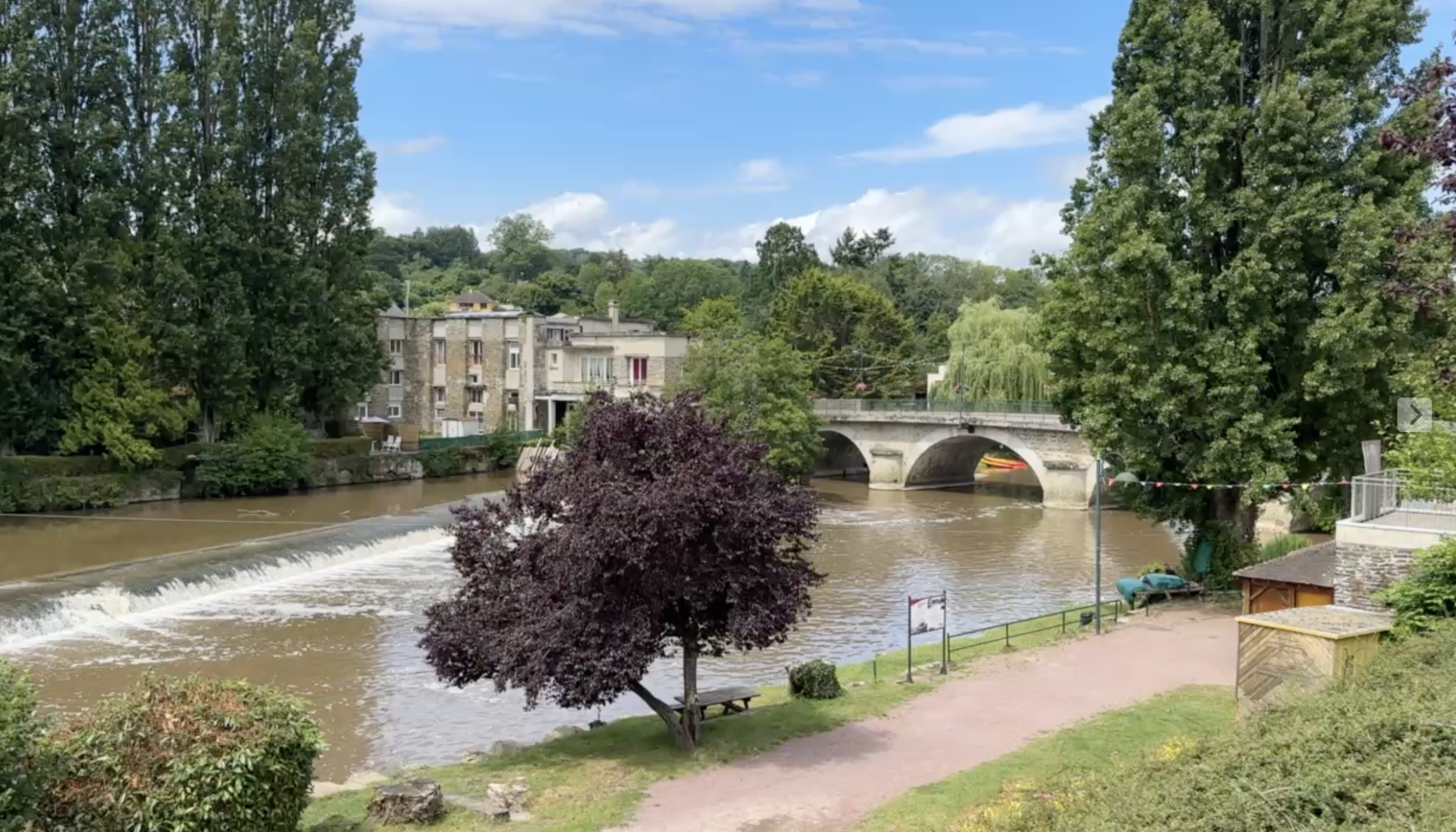
Now the climbing began. Unlike later in the tour, these were short if sharp ascents, but they came in quick succession. It was a pleasure to pause to take photos in Pont d’Ouilly, with its eponymous, handsome bridge over the Orne. Soon after, I overtook a few touring cyclists, and smiled when I saw a baguette poking out of one of their panniers. Over the coming weeks, we’d see many laden touring cyclists. I was once one of their number – see my account of a tour of Brittany in 1996 – but am glad to leave others to carry my luggage today.

As the miles passed after lunch, with one climb after another, I was dismayed to see my Garmin telling me that I’d only completed 700 of the 3,000 feet of climbing for the day. But then I looked closer, and realised that it was showing 700 metres of ascent. Changing the device’s measurement from kilometres to miles this morning obviously hadn’t switched ascent to feet. That meant far fewer hills remained to be conquered.

This called for a celebration. We stopped for a pastry at this wonderful pâtisserie in the village of Les Monts d’Andaine. It was an indulgence as we barely had five miles still to ride, but it was worth it. It was wonderful to find such a classy pâtisserie in a small French town.

Our destination, Bagnoles de l’Orne, was just as I remembered it from staying here in 1998: a rather elegant, small spa town with a small lake at its heart. The tranquility was slightly disturbed by some kind of festival taking place on the other side of the lake from our modern hotel.

This evening, we had our welcome dinner. Peak Tours usually holds these on the eve of the first day’s cycling, but as some prefer to join the Channel to the Med trip by overnight ferry the morning of departure they wait until the first evening on the road on this tour. So we’d already started to get to know each other by the time we sat down for drinks and dinner at Bagnoles. There was, however, a shadow over proceedings: we learned that one of our riders had been taken to hospital after an accident just after lunch. As a result, the guides were very busy supporting him. Sadly, he never rejoined the tour, but happily recovered from the crash.

Read Day 2: Bagnoles de l’Orne to La Flèche

The day’s stats

67.93 miles, 3,205 feet climbing, 5 hrs 12 mins cycling, average speed 13.1 mph.
Training for London Edinburgh London 2025: hard lessons from Bryan Chapman

This is the third in a series of posts about my training and preparation for the 1530km London Edinburgh London audax event in August 2025The series was inspired by LEL supremo Danial Webb asking if anyone was planning to post about their training and preparation for the event. Read part one here and part 2 here.

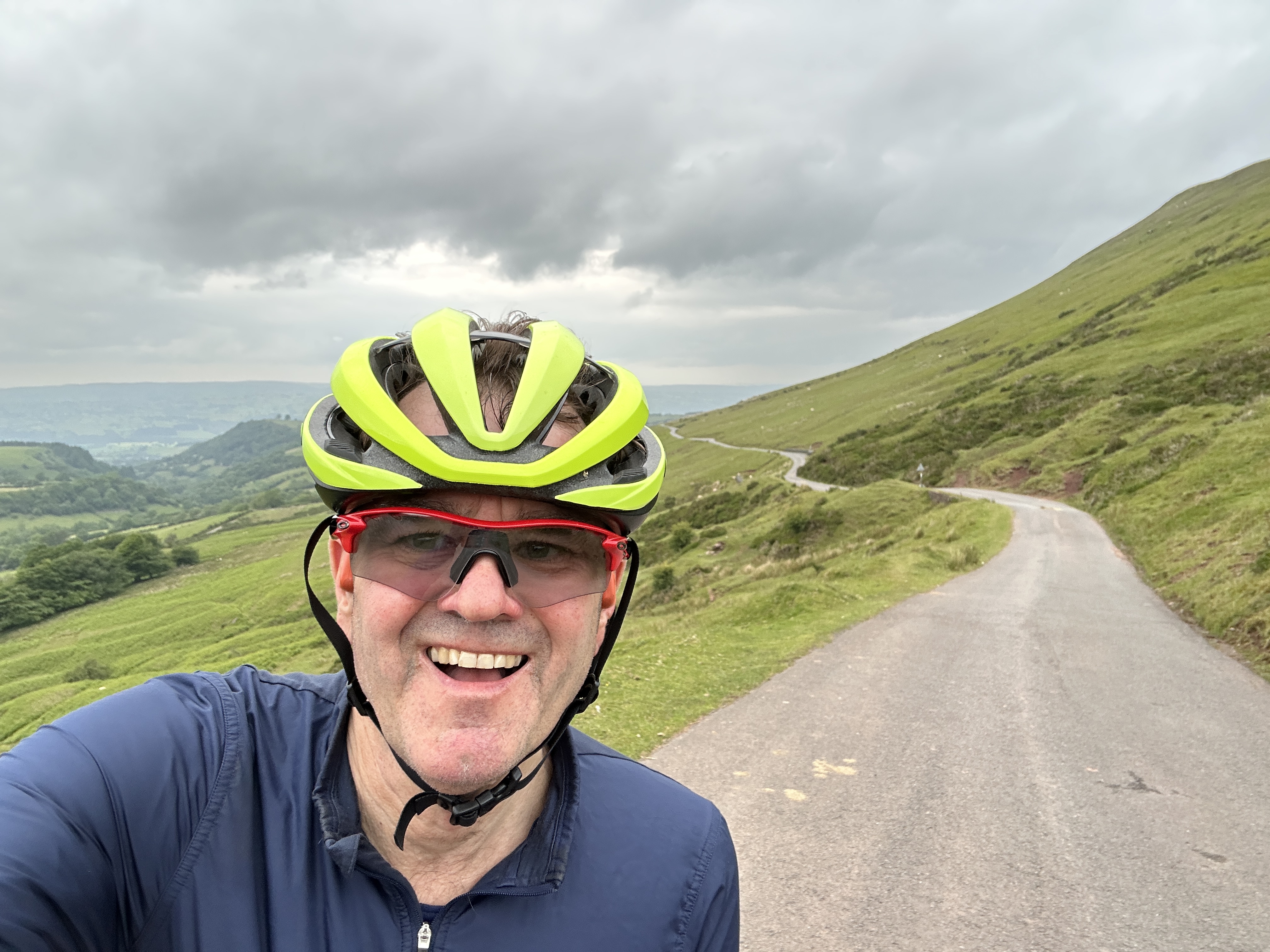
Crossing the Gospel Pass on Bryan Chapman Memorial audax

They say we learn far more from our failures than our successes. If so, my experience on last weekend’s Bryan Chapman Memorial 600km audax ride should really help me on London Edinburgh London in August.

I’ve written a blow-by-blow account of the ride here, so head over there for the gory details. Or you can watch my five minute highlights video:

Here, I’ll share what I learned on the Bryan Chapman. Let’s start on a positive note: what went well.

The right bike

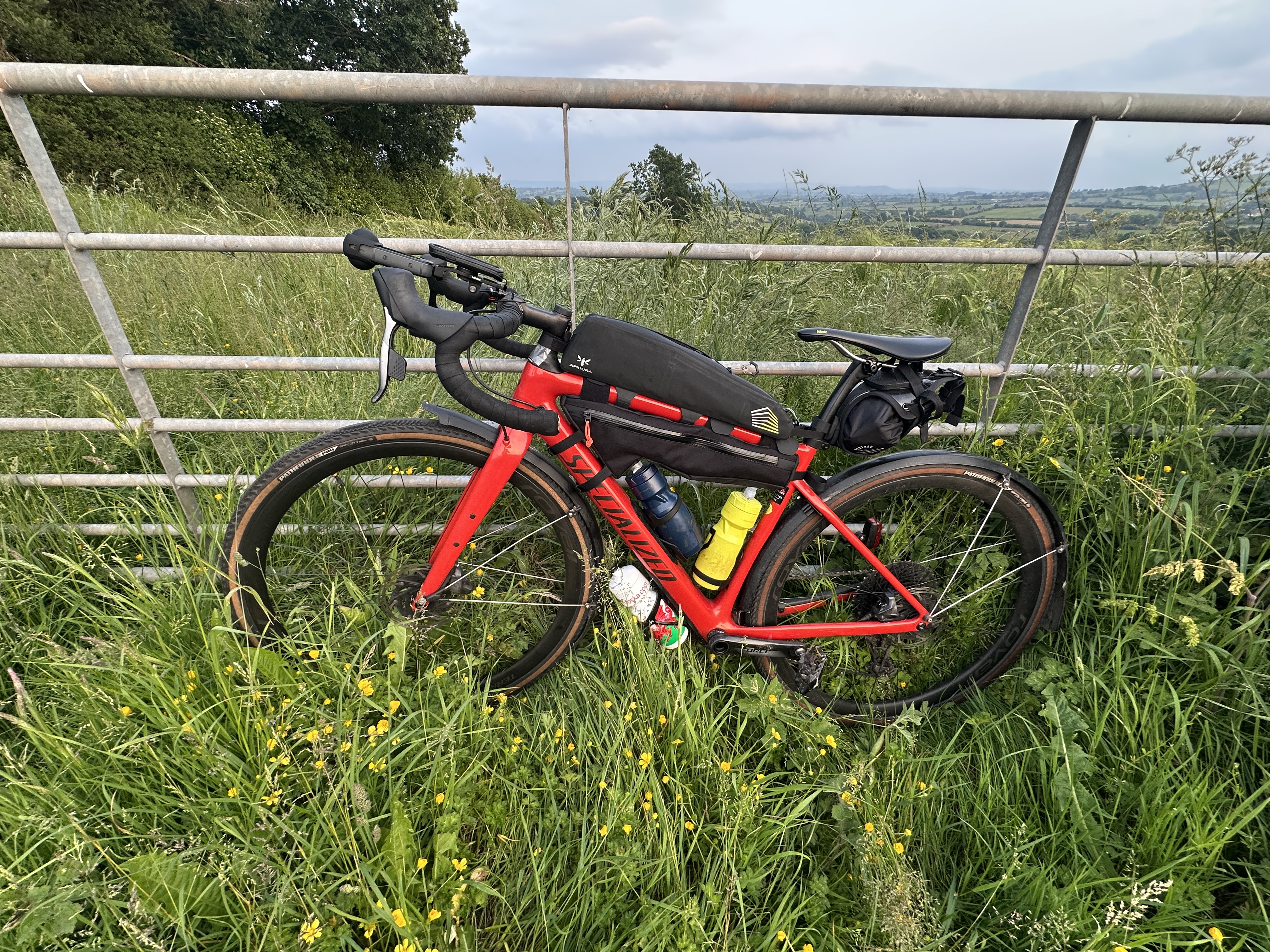
Should you ride your fastest or your most robust bike on a big audax event? I chose my Specialized Diverge gravel bike. It’s seen me through countless adventures including two editions of London Wales London. It’s not my lightest bike, but its 38mm tyres give me such reassurance, especially when hitting a pothole at speed in the middle of the night.

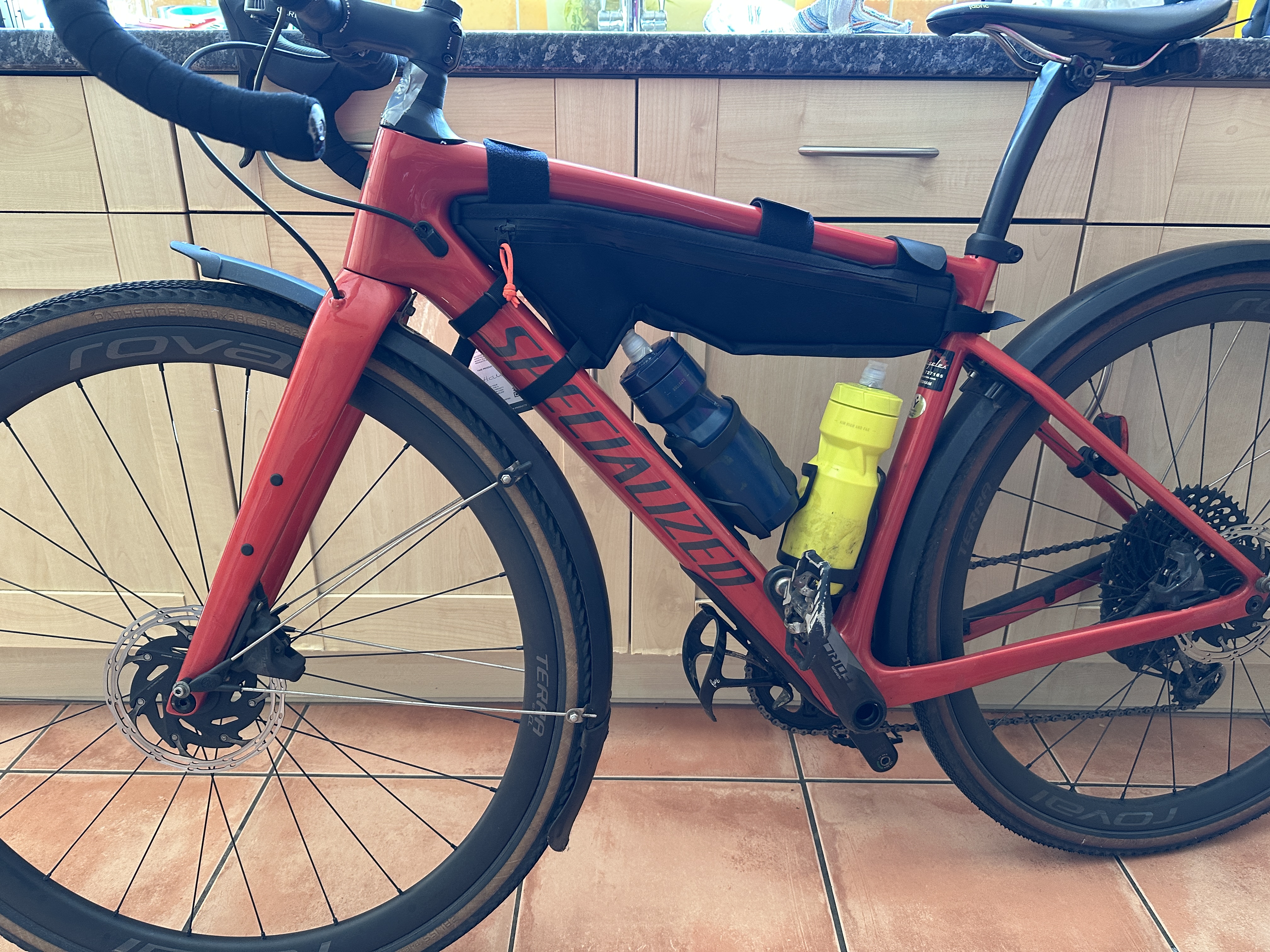
My Restrap custom frame bag was so useful

One of the disadvantages of riding a small frame bike – in my case 54mm – is that only the smallest frame bags fit. On a 600km or longer audax event that is a pain. But I noticed that Restrap offer a custom frame bag for a very reasonable £119.99. I sent off for the design pack, which helps you work out the dimensions, and where the various straps should go.

My wife Karen and I carefully followed the instructions to design my custom bag, and I placed my order. At first I was afraid the bag wouldn’t arrive in time given the stated lead times, but the Restrap team was brilliant, and I received the bag a week before the Bryan Chapman. It fitted perfectly, and was a huge help on the ride.

Cutting the ride short: the right decision

A few weeks ago, endurance cyclist Emily Chappell invited advice on her Substack post about long-distance cycling. I gave a few tips, including not giving up cheaply when you’re at your lowest ebb. Eat, sleep, and reflect.

So it was ironic that I decided to cut short my Bryan Chapman route, going straight from the Dolgellau control at Kings Youth Hostel to the sleep stop at Aberdyfi. I made the decision after going miles off route because my Garmin led me onto the southbound track when I was still heading north. As a result, I had a massive, additional pass to climb, and lost a huge chunk of time.

I had already made the decision before Kings, and it was undoubtedly the right one. I could enjoy a reviving stay at the control, relish the coastal ride to Aberdyfi, and be in far better condition for the remaining 210km in the morning. Best of all, I was at peace with the failure to get to Menai Bridge. I could do my Welsh end to end another time.

My near midnight finish on the second day shows how right I was.

Taking spare SRAM batteries was vital

If you ride electronic gears, you have to be ready to replace or charge batteries on the road. SRAM eTap batteries theoretically last up to 1,000km, at least when new. I had to pop in a spare one after around 375km. Those constant gear changes on the very hilly Bryan Chapman drained the battery far sooner than I expected. But I was prepared.

The volunteers were amazing

As I spent time recovering at Aberdyfi, I was struck once again by the critical role volunteers play in audax events. One female helper seemed to be ever present – there when I went to sleep past midnight, and again when I went for breakfast just after 6am. She was constantly replenishing supplies and helping weary riders. To her and every other volunteer, and organiser Will Pomeroy: thank you!

So… the lessons I need to learn from

Make your own decisions

I was seriously underfuelled at times on the Bryan Chapman. Twice I allowed myself to be led by other people’s examples. After 74km at the first control, I ordered a small breakfast, as others had done, but it wasn’t enough. Later, after seeing Bryan Chapman riders eating at a bakery I did the same, even after finding the choice very limited.

On an audax like Bryan Chapman, you have to find your own food except at a small number of controls. You really have to make smart choices. I didn’t.

London Edinburgh London is very different, with food on offer at controls throughout the route. (Although judging from accounts of previous editions supplies may be limited if you arrive at a very busy time.) If you feel lethargic, don’t miss the chance to eat proper food – bars and gels can get you only so far.

Don’t trust your Garmin

My great mistake on the Bryan Chapman was to trust my Garmin’s directions. When it told me to turn off the main road between Machynlleth and Dolgellau I obeyed, and went miles off route, requiring an extra, very big climb. I didn’t realise it was sending me on the following day’s ride. Organiser Will Pomeroy had provided control-to-control GPS files. Had I used those, rather than the complete route version, I’d have been OK. Something to ponder with London Edinburgh London, whose northbound and southbound routes also cross.

Leaving Aberdyfi

You may be slower than you think

I deliberately didn’t try to estimate when I’d reach the various controls on Bryan Chapman. I knew how hilly the route was. Yet on the second day, I still under estimated how slow I’d be. The lack of sleep, and eating too little, had a big impact. I should have left Aberdyfi 90 minutes earlier at least.

Prepare to sleep

I’d brought a sleeping bag liner as I’d heard that the blankets provided at the Bryan Chapman sleep stop could be scratchy. I could have done with ear plugs to block out the constant noise of people coming and going, accompanied by their phone wake up alarms. One for the kit list for London Edinburgh London.

At a low point on a quiet mountain road, I enjoyed a power nap on a grassy verge beside the road. It revived my spirits. On London Edinburgh London, I’ll take the opportunity for a half hour nap at controls during the day if I need to.

Final thoughts

I booked to enter the Bryan Chapman as a test of my readiness for London Edinburgh. I’m glad I did. While I failed to complete the full 600km, I did ride further than I’d ever done before in two days. But I need to learn from my mistakes, and continue to build my endurance fitness. I’m starting a bike ride through France from the English Channel to the Mediterranean tomorrow, which should help!

UPDATE: read the next post in my series about preparing and training for London Edinburgh London: joining the LEL volunteers to create over 2,400 rider starter packs.

Off route: my Bryan Chapman Memorial 2025 audax

It was a sickening moment. I had already ridden over 110 hilly miles on one of Britain’s toughest long-distance bike rides, with 260 still to go. But I realised that I was miles off route.

I was taking part in the Bryan Chapman Memorial 600km audax (long-distance cycling) event. It commemorates Bryan Chapman, a cyclist who’d supposedly cycle the length of Wales to get his favourite mechanic to fettle his bike – then ride home.

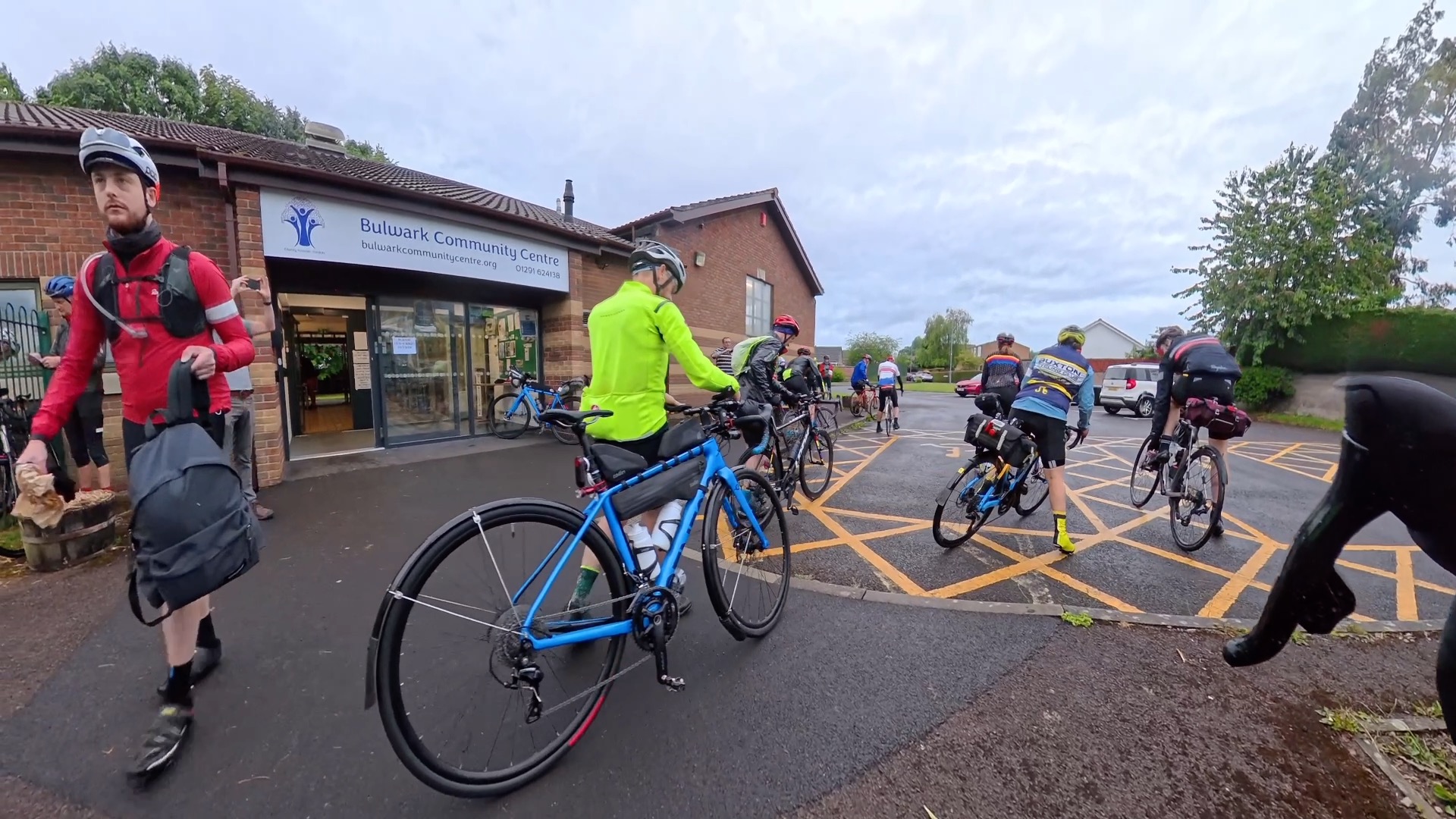
We set off at 6am on Saturday morning from Bulwark Community Centre, a building in Chepstow that’s amazingly hard to find even when using Google or Apple Maps. My usual eve of ride butterflies were fully justified for once – I knew this would be my toughest ride, with the extra menace of the weather and fear of a mechanical on a lonely Welsh mountain.

I enjoyed riding in a group for the 74km to the first control at Bronllys in the Bannau Brycheiniog (Brecon Beacons) national park. It felt like slow progress for the first half of this stage, but I knew the secret was not to burn too many matches too early.

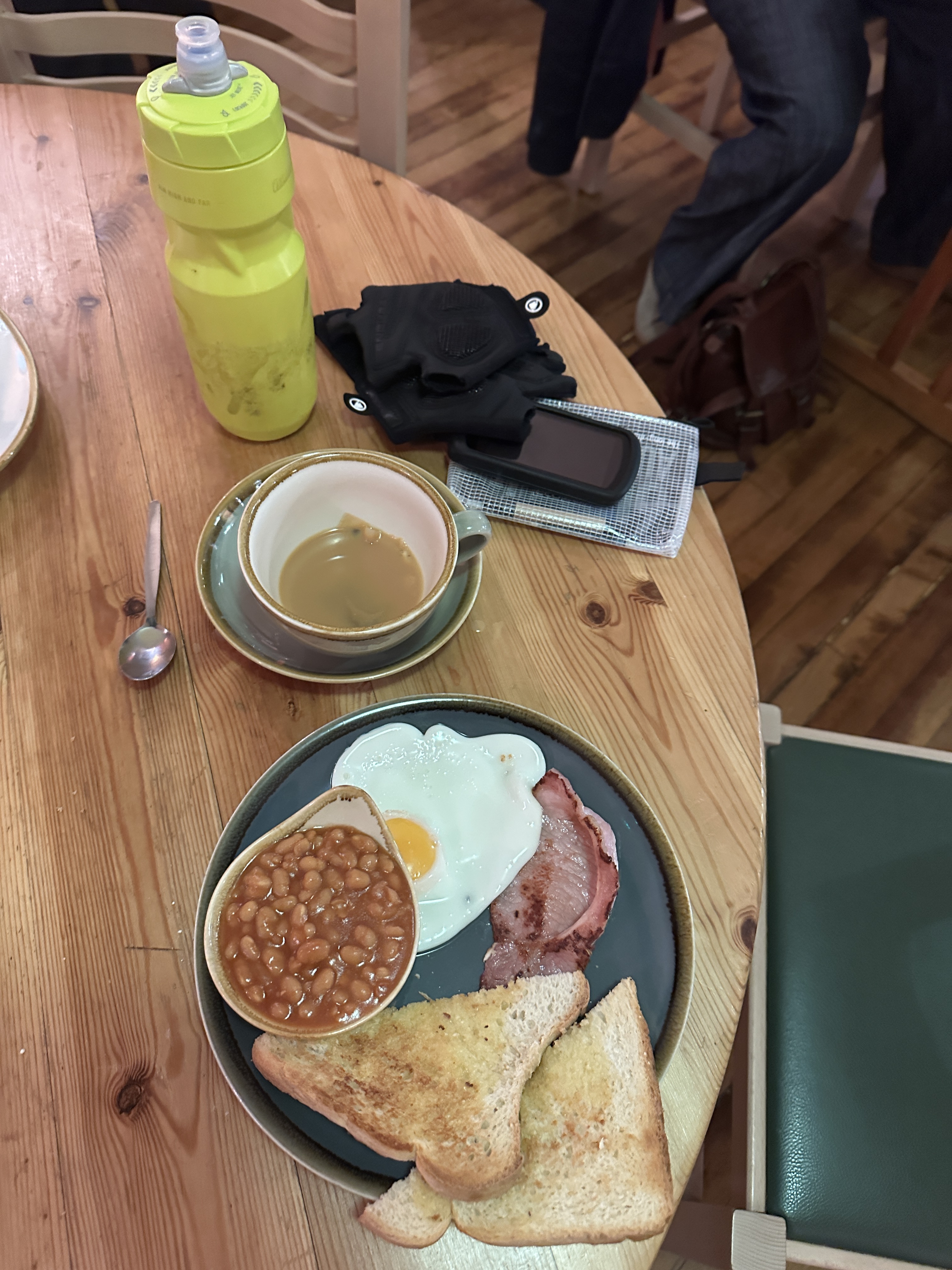
The Bronllys control was at the lovely Honey cafe, and I knew from Dave Atkinson’s account of his 2024 Bryan Chapman that a fried breakfast was the order of the day. Here I made my first mistake. Hearing several people ahead of me asking for a ‘small breakfast’ I did the same. I could have done with something more substantial.

Continue reading

Remembering my first bike tour, 30 years on

Note: most of the images illustrating this post are photos of projections of the 35mm slides that I took during the tour. Their quality is variable, to put it kindly...

We reach the English Channel at Sidmouth, Devon

Time flies. It hardly seems like 30 years since I set off on my first proper cycle tour. In recent years, I’ve cycled the length of Great Britain, Ireland and Portugal, and am embarking on another end to end, across France, later this month. But it started with a 325 mile tour of the West Country in June 1990, with my university friend Richard Attewell.

Looking back, I’m struck by how different cycle touring was 30 years ago, just as the internet was poised to change our lives. (There was much talk of the ‘information superhighway’ in 1995, but I didn’t get online until the following year.) We didn’t own or carry mobile phones, and used phone boxes to arrange somewhere to stay once we decided how far we’d get. We navigated using paper Ordnance Survey maps attached to my handlebars using a brilliant map holder designed and sold by Chris Juden from the CTC (now known as Cycling UK). We weren’t complete touring novices: we’d enjoyed a weekend ride around the Isle of Wight two years earlier, and I’d cycled from Wiltshire to my parents’ house in Cardiff the year before.

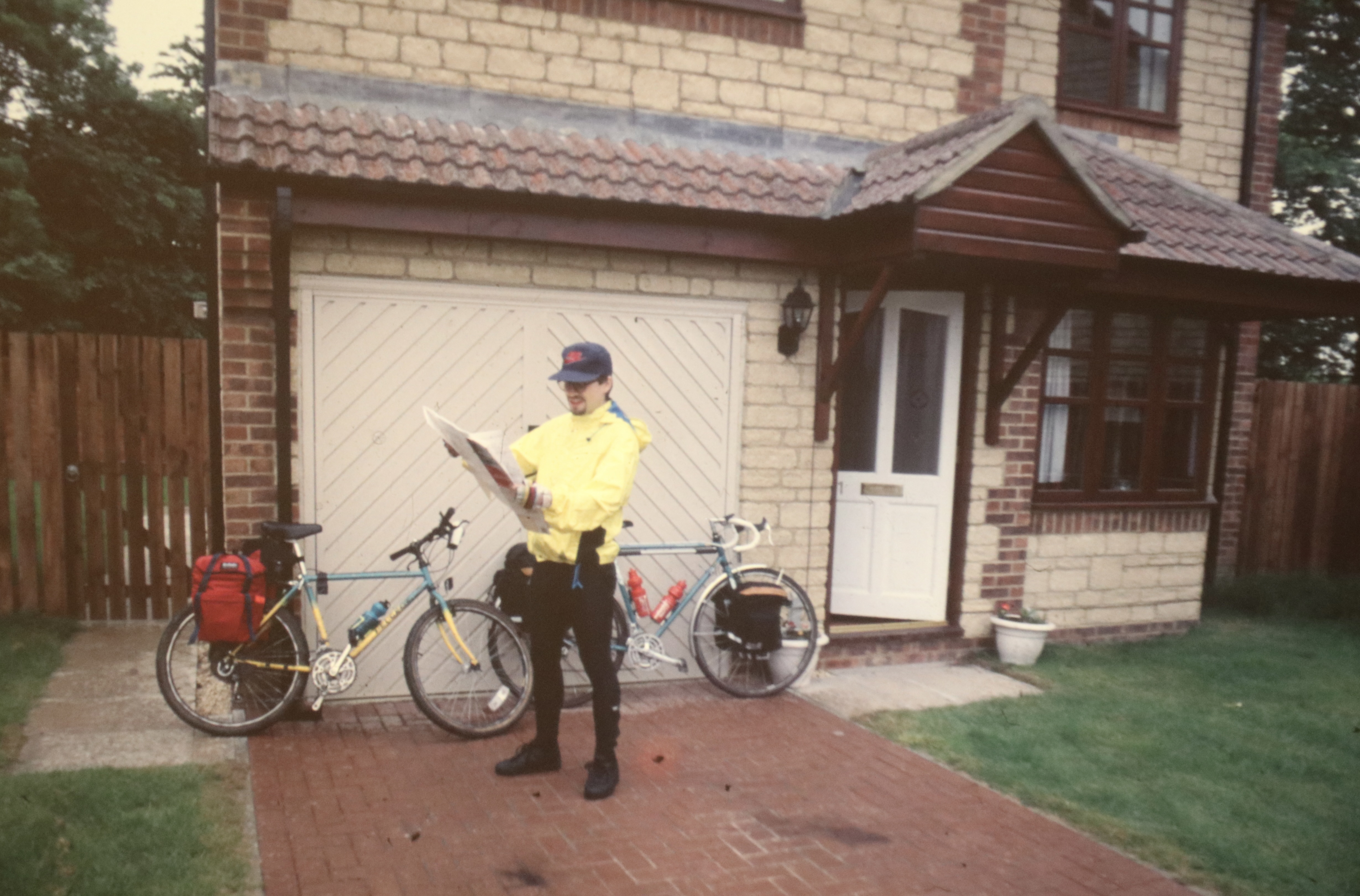
I plotted that adventure during the bleak winter evenings of January 1995, with those Ordnance Survey maps spread across the floor of my home in Ashton Keynes, Wiltshire, which was our departure point in June, as seen above.

Continue reading

Marks & Spencer cyber attack: my frustrating customer story

M&S chief executive Stuart Machin

British retailer Marks & Spencer has been in the headlines for all the wrong reasons after its operations were crippled by a cyber attack. Online sales have been suspended for over a month. The company says the incident will cost it around £300 million – a third of its annual profits.

I have an M&S Rewards credit card, which gives vouchers to spend online or in-store. I intended to buy a pair of joggers with the latest coupon, but had to go into a store to buy them given the website is now just a shop window. I did this at M&S’s flagship Oxford Street store in London yesterday. The sales assistant took one look at the paper voucher, and told me that she couldn’t accept it because of the systems failure.

I was astounded. I had presented a paper voucher clearly stating it was for £25, the price of the item. How could M&S be so reliant on an electronic point of sales system that it couldn’t accept a paper voucher? Way back in the 1980s, I worked in a Nationwide Building Society branch. If the system went down, we still served customers: we noted the transaction on paper ledgers, and reconciled them later. How could M&S not have a similar back up plan? How can it be forced to suspend online sales for over a month in an online era? Stressed out teenagers sitting their GCSEs are more resilient than this British retailing giant.

We shouldn’t be surprised. M&S was slow to embrace the online revolution 25 years ago, after waiting over 30 years before accepting credit cards (other than its own charge card) in its shops in April 2000.

The voucher I tried to use expires in just over a month. The manager at M&S Oxford Circus wrote a note on it saying it should be accepted for a further month. That was good customer service, but the highly paid executives at M&S HQ in Paddington, London, should be taking the heat, not the poor bloody infantry on the front line.

Training for London Edinburgh London 2025: lessons from LWL

This is the second in a series of posts about my training and preparation for the 1530km London Edinburgh London audax event in August 2025The series was inspired by LEL supremo Danial Webb asking if anyone was planning to post about their training and preparation for the event. Read part one here.

(London Edinburgh London is a cycle ride across Great Britain between the English and Scottish capitals. Held every four years, it is the premier British audax – a long-distance, non-competitive cycle ride. You have a maximum of 128 hours to ride to Edinburgh and back to London.)

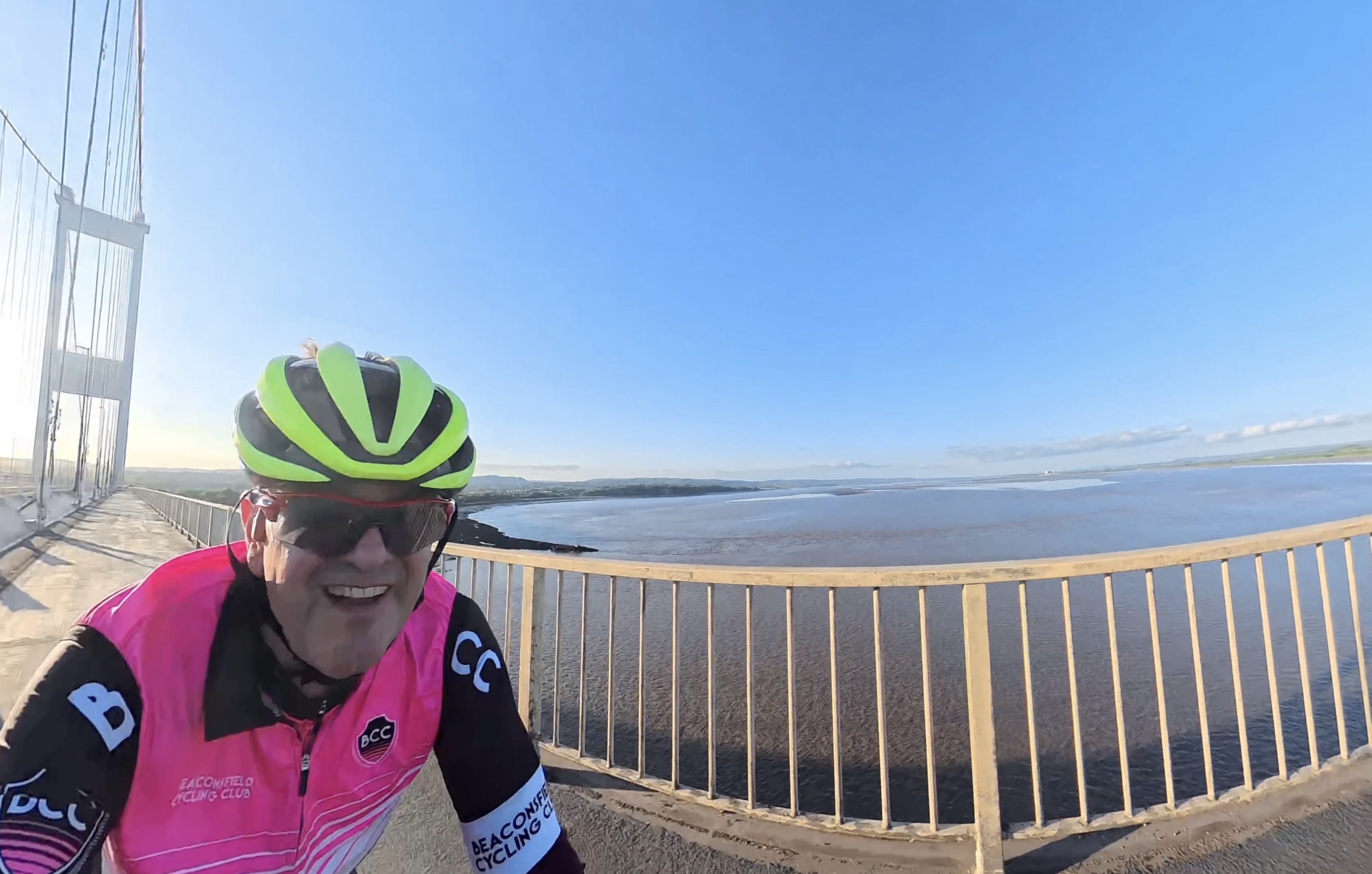
Heading back into England over the Severn Bridge, LWL 2025

London Wales London 2025

I wrote a lengthy post a year ago about completing the annual London Wales London audax from Chalfont St Peter near London to Chepstow in Wales and back via the original Severn Bridge. If you’re interested in a detailed account of riding LWL, head there as this will be a much shorter account. Instead I’ll focus on how I plan to learn from this year’s LWL experience to help my preparations for London Edinburgh London in August. (Both what worked well and what didn’t.) I’ll look at organisational lessons – yes, including charging devices – and personal ones, such as keeping healthy and maintaining morale through the inevitable lows.

LWL riders close to Islip, the first control at 38km

I never thought we’d have a second year of fine weather for LWL, but conditions were similar to last year, with the exception of a light but noticeable headwind on the outward leg across the Cotswolds. We were lucky to miss the 28C temperatures two days before – as well as the far colder weather that arrived within 12 hours of the finish. Organiser Liam FitzPatrick is obviously on very good terms with the weather gods…

Just 600 metres to the finish line – 406km cycled!
Continue reading

Training and top tips for London Edinburgh London 2025: part 1

This is the first in a series of posts about my training and preparation for the 1530km London Edinburgh London audax event in August 2025. The series was inspired by LEL supremo Danial Webb asking if anyone was planning to post about their training and preparation for the event. For part 2, lessons from London Wales London, click here.

London Edinburgh London is a cycle ride across Great Britain between the English and Scottish capitals. Held every four years, it is the premier British audax – a long-distance, non-competitive cycle ride. You have a maximum of 128 hours to ride to Edinburgh and back to London.

I’ve been dreaming about taking part in LEL since the pandemic, and will be on the start line in August. I’ve followed LEL Facebook and Yet Another Cycling Forum (YACF) posts, and read several books by previous participants such as Andy Allsopp and Malcolm Dancy for inspiration and information. I also bought the film about the 2013 edition of LEL. (All of which, truth be told, sent shivers of fear down my spine about what I’ve signed up for!) I’ve also enjoyed the LEL podcasts, which you can find on all the usual podcast platforms, including Spotify.

In this post, I’ll explain my road to LEL 2025, talk about my training, and also share a few tips for fellow LEL riders – which may be useful for anyone taking part in other multi-day audax rides. These tips are based on my own cycling experiences and advice shared by previous LEL riders. In future editions, I’ll share any new lessons from my training and preparations.

So – what makes me think I can complete LEL?

My original inspiration for long distance cycling, 1994

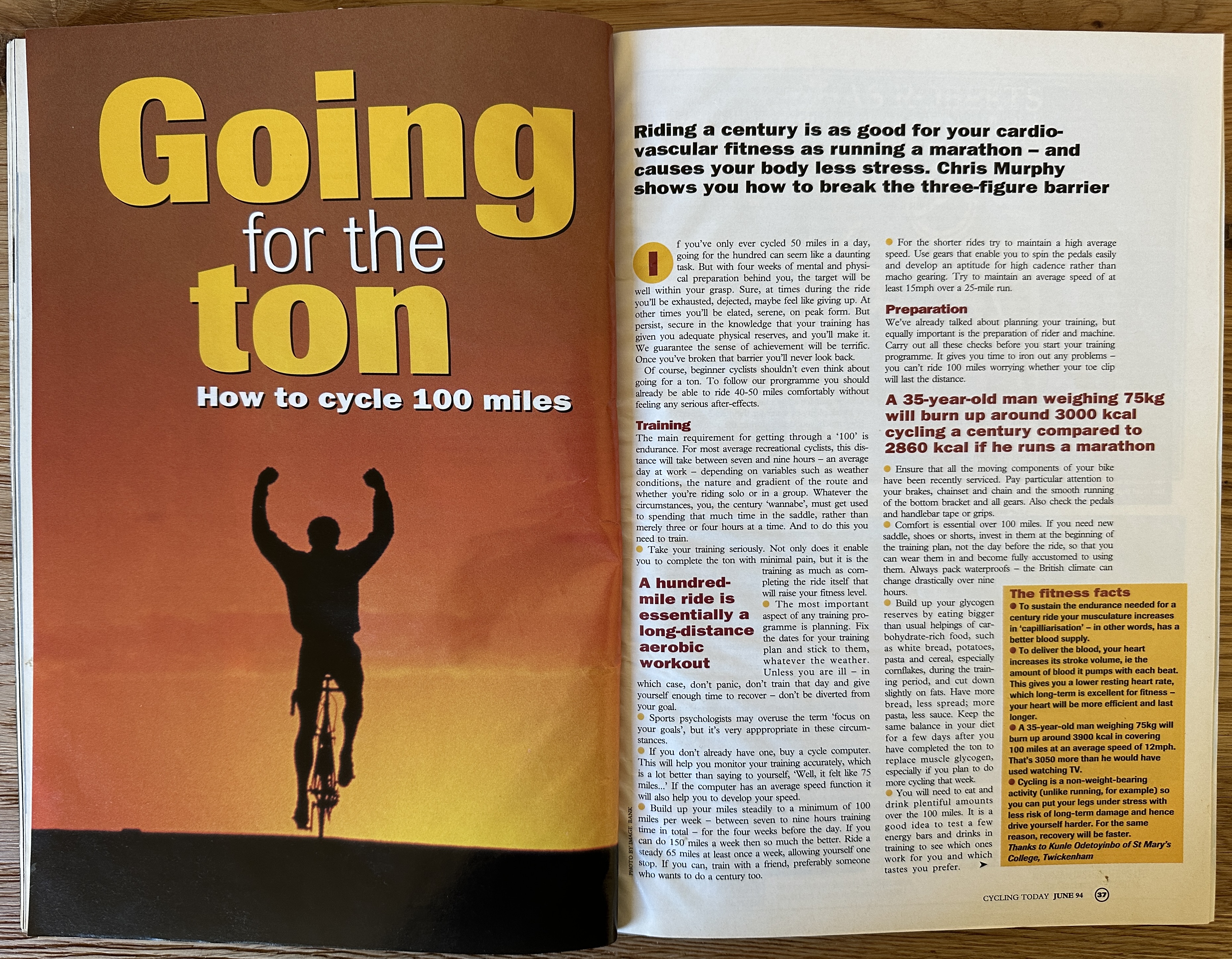
I’ve been cycling for over 35 years, since buying my first proper bike in 1989, as I blogged last year. Back in 1994, I was inspired by this feature in the old Cycling Today magazine about cycling 100 miles, and successfully completed my first century the following year.

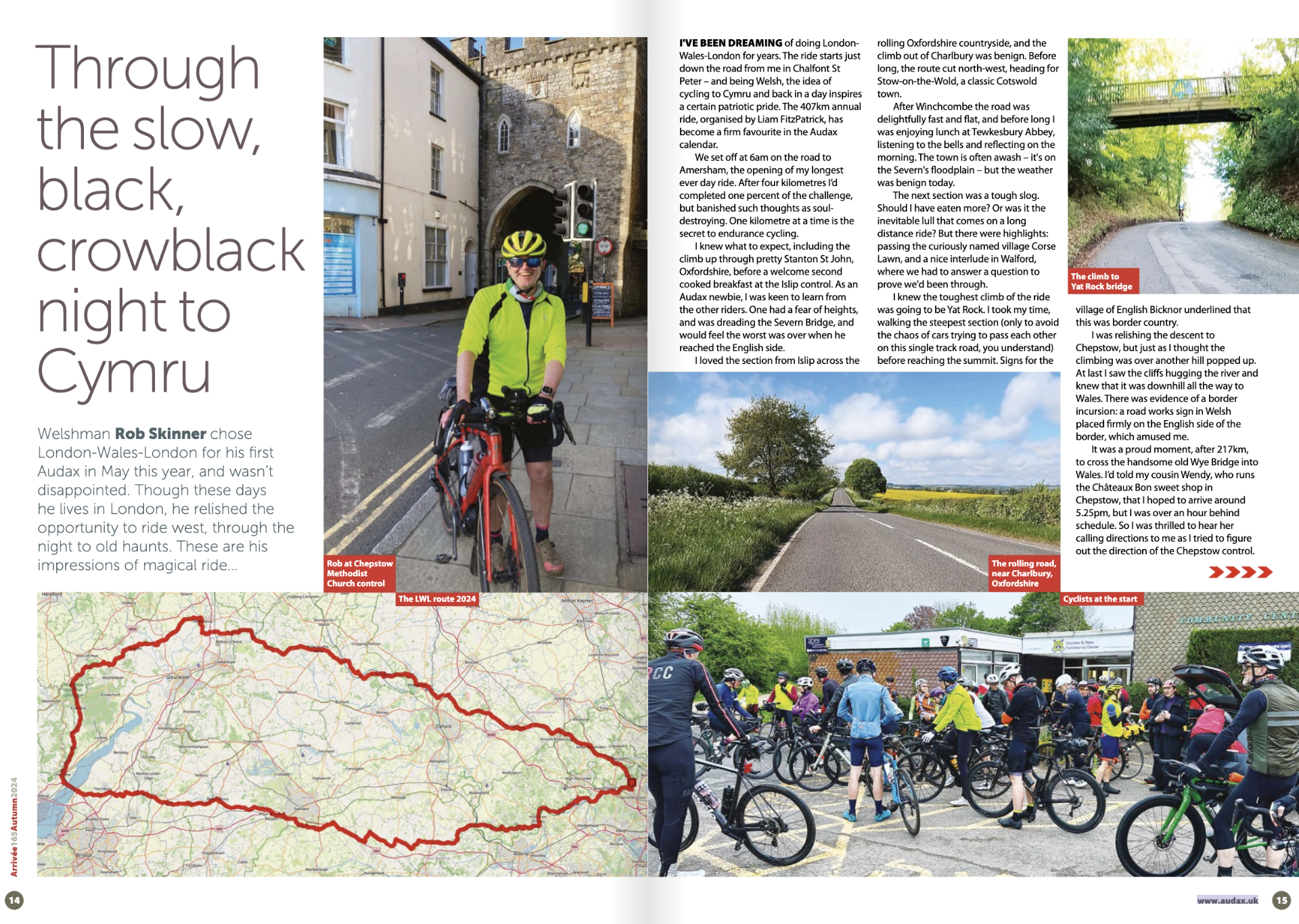
My LWL story – Arrivée, Autumn 2024

Last year, I completed my first audax ride, the 400km London Wales London, and my beginner’s story appeared in Audax UK’s Arrivée magazine. (The article was a shorter version of my LWL blogpost.) I knew that LWL was a good test of my ability to complete the far bigger LEL challenge, and early on my ride to Wales I had a brief crisis of confidence:

‘I was still in the Cotswolds when I decided such a challenge [LEL] was beyond me. The toll on body and spirit would be huge. Yet now, after the satisfaction of completing LWL successfully with something to spare, I’m not so sure. I have a guaranteed place for 2025, and that would have to be the year – it really would be too much by 2029, when I’d be approaching 66.’

I am feeling more confident now about LEL, and am fitter than I was on the eve of LWL 2024.

Continue reading

Swindon’s Mechanics’ Institute: my letter in The Times

The Mechanics’ Institute in Swindon, Wiltshire, is symbolic of the Victorian belief in self improvement. It was founded in 1854 by Great Western Railway workers to provide themselves with a library, lectures, classes and, in time, a library and health services. Yet sadly this historic building has fallen into a ruinous state since closing in 1986.

My letter in The Times, Friday 28 March 2025

I paid tribute to the Mechanics’ Institute in a letter to The Times on Friday, prompted by a piece by columnist James Marriott praising Newcastle Upon Tyne’s Literary and Philosophical Society, where the father of the railways George Stephenson demonstrated his miners’ safety lamp in 1815.

Swindon was just a small village when the great engineer Isambard Kingdom Brunel chose it as the location for the Great Western Railway’s locomotive works, which opened in 1843. Within a decade, over 2,000 people worked there, many living in a railway village close by the main line. The workers paid for the Mechanics’ Institute, an initiative that was replicated in countless towns and cities across Britain.

Continue reading

Remembering Jim Callaghan: an underrated PM

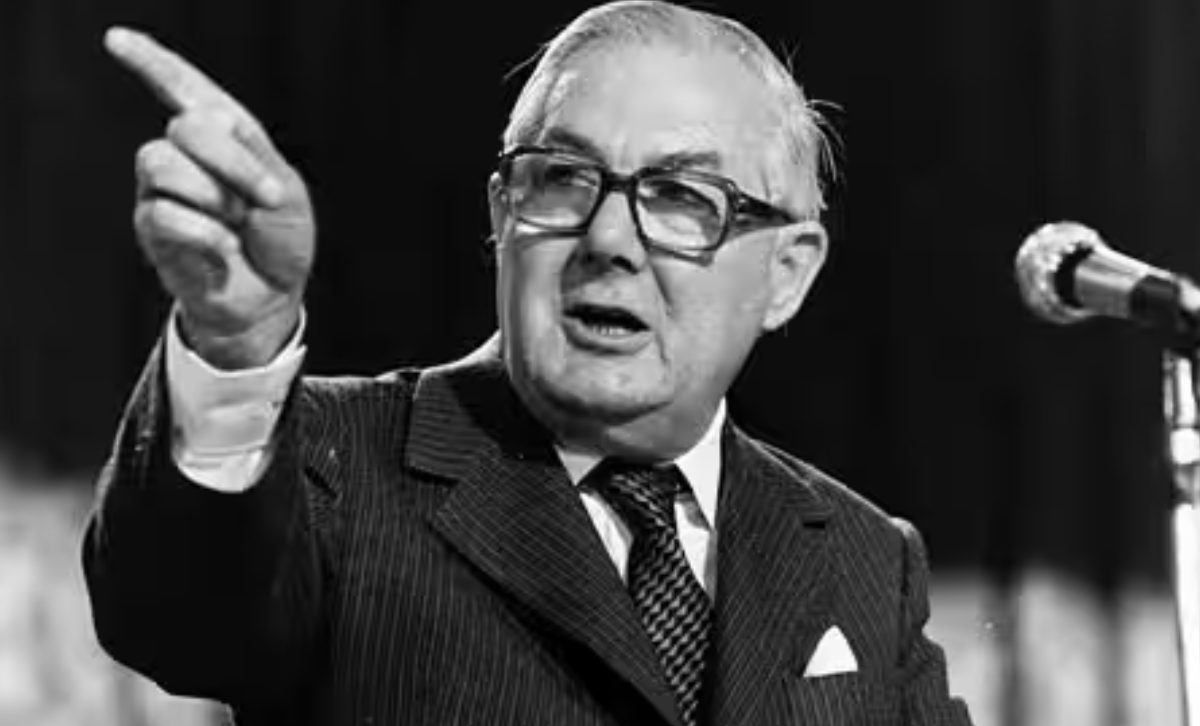
Callaghan addresses the TUC, 1980

James Callaghan, who died 20 years ago this week, might have been Britain’s most forgotten postwar prime minister had it not been for the winter of discontent. The strike-dominated final months of his premiership, when bodies went unburied and rubbish piled up in the streets, ensured a convincing victory for Margaret Thatcher in the 1979 general election.

Yet Callaghan was a more successful prime ministers than critics allow, especially given his terrible inheritance. When he took over after Harold Wilson’s surprise resignation in 1976, inflation was running at almost 19 percent a year. He inherited a wafer-thin majority, which had disappeared within a year. The trade unions were pushing for ever-bigger pay increases to offset inflation, but which inevitably pushed prices higher still.

Callaghan was unfazed by it all – at least until the final, bleak winter. A man who had fought in the second world war, and been through a different kind of fire as chancellor, home secretary and foreign secretary, calmly faced whatever crisis came his way. This was one reason why he was more popular as PM than his party or his Conservative rival Margaret Thatcher. In troubled times, Sunny Jim was a reassuring captain even as the ship was at risk of sinking.

He led his cabinet with a rare skill. Those were the days of political ‘big beasts’ – Denis Healey, Tony Benn, Michael Foot, Roy Jenkins and Anthony Crossland were just some of the big names in his cabinet. (He sent the formidable Barbara Castle, once tipped to be Britain’s first woman PM, to the back benches.) Callaghan’s achievement in getting the Cabinet to agree to dramatic public spending cuts in the face of the sterling crisis months after he took over was striking. He used his diplomatic skills to get American president Ford to put pressure on the IMF to grant Britain a loan. And he called nine lengthy cabinet meetings to discuss and agree the cuts required by the International Monetary Fund for it to grant that loan. The born-again left winger Tony Benn pushed hard for an alternative economic policy based on import controls, rather than public spending cuts. Callaghan showed saintly patience in handling Benn, who in turn praised his leader as a much better PM than Wilson.

The historian Dominic Sandbrook has described Callaghan’s handling of the 1976 crisis as ‘a remarkable achievement’. Writing in Seasons in the Sun, his history of Britain 1974-76, Sandbrook noted that the new PM had worked miracles to mollify the markets, strike a deal with the IMF and keep the government united, despite the inescapable fact that having to ask for a loan was humiliating for Britain. Yet the great irony is that the crisis was based on typically flawed Treasury figures. Instead of borrowing £11 billion a year, Britain was actually borrowing £8.5 billion. Chancellor Denis Healey only needed half the IMF loan, and repaid it far sooner than anyone expected. But history had been made regardless: he and his PM had ended Britain’s postwar Keynesian economic policy, adopting monetarism three years before the arch monetarist Margaret Thatcher came to power.

By 1978, the dark economic clouds seem to be lifting. Inflation was down to 8 percent from the 1975 high of 24 percent; Britain was starting to enjoy the North Sea oil bonanza; and Chase Manhattan’s European economist proclaimed that ‘the outlook for Britain is better than at any time in the postwar years’. Consumers were buying new cars, fridges and washing machines. As a later generation would say, the feel good factor was returning. This seemed like the perfect time to call an election, and secure a Labour government into the 1980s.

Most people – including his advisers – thought Sunny Jim would go to the country. The Times reported on 3 September 1978 that an election was likely to be announced within a week. Union leaders urged an election, and so avoid a winter wage explosion. (How right they were…) Just two days after that Times story, Callaghan teased the TUC conference about calling an election, even singing an old song, Waiting at the Church, about a bridesmaid being jilted at the altar by her fiancé because his wife wouldn’t let him marry her. (He attributed the song to the music hall singer Marie Lloyd, but it was actually sung by her less well known rival Vesta Victoria.)

He ended by saying that he had ‘promised nobody that I shall be at the altar in October, Nobody at all.’ If he intended to end speculation about an election, his mock-serious approach failed completely. Callaghan broadcast to the nation saying there would be no early election.

Many cabinet ministers and advisers were shocked and disappointed. With hindsight – notably the searing memories of the winter of discontent – his decision to soldier on looks like a disastrous blunder. Yet that ignores a fundamental truth. Prime ministers rarely call elections before they need to unless they are sure they will win. With the exception of Rishi Sunak in 2024, they don’t want to lose their unique status as leader of the nation prematurely. Callaghan was a cautious politician and the polls in the late summer of 1978 suggested a hung parliament, with neither Labour or the Conservatives with a majority. The only certainty about his decision is that he condemned Labour to a heavier defeat that would have happened in October 1978, rather than turning victory into defeat. His great mistake was to allow the speculation to run out of control. It was a mistake repeated by Gordon Brown in 2007.

The real Jim Callaghan

The ignominious end to his premiership should not obscure Callaghan’s remarkable story in rising to the top. Like so many British prime ministers, James lost his father at a young age, nine. His mother got by on a naval widow’s pension granted by the first Labour government in 1924, but it was not enough to pay for him to go to university. He felt his lack of a degree keenly, although he made fun of it when interviewed by the BBC’s Desert Island Discs in 1987:

‘If people say I’m not clever at all, I’m quite prepared to accept that, except that I became prime minister and they didn’t, all these clever people!’

Callaghan was elected MP for Cardiff South in the Labour landslide of 1945. My late mother was covering one of his election rallies for the Penarth Times, and for years afterwards resented Callaghan’s disparaging public remarks about the paper when she questioned him.

He is the only prime minister to have held all the great offices of state: PM, chancellor of the exchequer, foreign secretary and home secretary. He observed that he didn’t find being PM harder than the other great offices. But he had the confidence in 1976 that came of his 30 years in politics, and 12 years of front bench experience. He was a good delegator, ‘preferring to sit back and let the others do the work’, and happily admitted he was never a workaholic. Today’s inexperienced premiers could learn from Callaghan’s example.

The Cardiff connection

My father Bob Skinner, left, with PM Jim Callaghan, right. Jim’s legendary agent Jack Brooks to the PM’s right

Amazingly, Callaghan was a Cardiff MP for 42 years, and continued as MP for eight years after his 1979 election defeat. That is unheard of today. He was a good constituency MP, as I discovered when, as a 22 year old graduate, I sought his help.

My father Bob Skinner was involved with the Cardiff Festival of Music. In 1985, Cardiff was due to host the world premiere of a work by a leading composer. On the eve of the concert, Dad discovered that two soloists from Hong Kong didn’t have the work permits needed to allow them to travel to Wales to perform. He thought that as the local MP and former PM Jim Callaghan could help. The two of us met Sunny Jim in his splendid House of Commons office (he was then ‘father’ of the House of Commons – the longest serving member), and he couriered a note to Conservative employment minister Alan Clark: “Come on Alan, as a Plymouth man make Drake’s drum beat again – for Cardiff!” The permits were issued within hours – the concert was saved, and proved a triumph. 

What I didn’t know at the time was that Callaghan and Clark got on well, a not unusual example of cross-party friendships. In his famous diaries, Clark revealed that Callaghan asked to see Clark privately in his room in the Commons during the Falklands crisis in 1982. Callaghan was due to speak in the second emergency Commons debate about the Argentinian invasion of the islands, and wanted Clark’s advice on what to say. Clark said, ‘I have a rapport with Jim’.

Just before we said goodbye, Callaghan asked me as a new graduate what I wanted to do for a living. ‘I’d like to work in PR or journalism,’ I replied. ‘They all want to do that now, don’t they?’ Jim replied, more to Dad than to me. Within two years, I had started my 37 year career in PR.

Five years ago: Britain goes into Covid lockdown

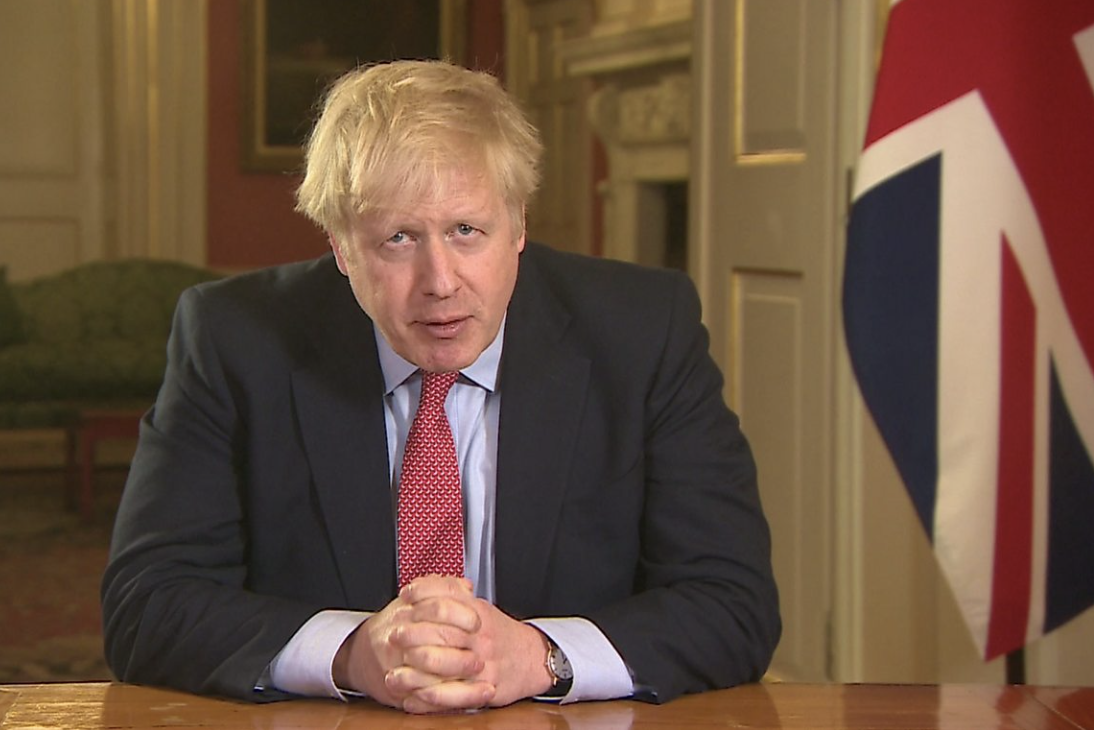
Boris Johnson announced Britain’s first Covid lockdown, 23 March 2020

Five years ago today, our lives changed dramatically. Prime minister Boris Johnson announced on national TV that Britain was going into lockdown to try to stop the spread of the Covid-19 coronavirus pandemic. “You must stay at home,” he told the nation.

M&S High Wycombe, 10am, Thursday 19 March 2020

In reality, the people were ahead of the state. Shopping centres and other public spaces were already empty as we stayed away from other people. A couple of weeks earlier, I moved seats on a London Underground train to get away from a passenger who was sneezing.

I was very familiar with Covid by March 2020. As part of PayPal’s PR team, I helped with communications to the company’s teams in China and the rest of Asia from January, sharing advice on staying safe from the virus and information about office closures. We had at least daily calls with PR people in the United States, Europe and Asia. As March arrived, I was busier than ever, especially as employees in Europe were asking to be allowed to work from home. I myself decided to do just that, exactly a week before the UK lockdown announcement.

On the morning of Thursday 19 March, I took a much-needed break from work, and popped into High Wycombe for what turned out to be my last proper shopping trip for four months. I was struck by the complete absence of people, as seen in the photo inside Marks & Spencer above. I could choose any table at Bill’s restaurant for a late breakfast. The next day, I did what turned out to be the last school drop off the 2019/20 school year.

Continue reading