Remembering Jim Callaghan: an underrated PM

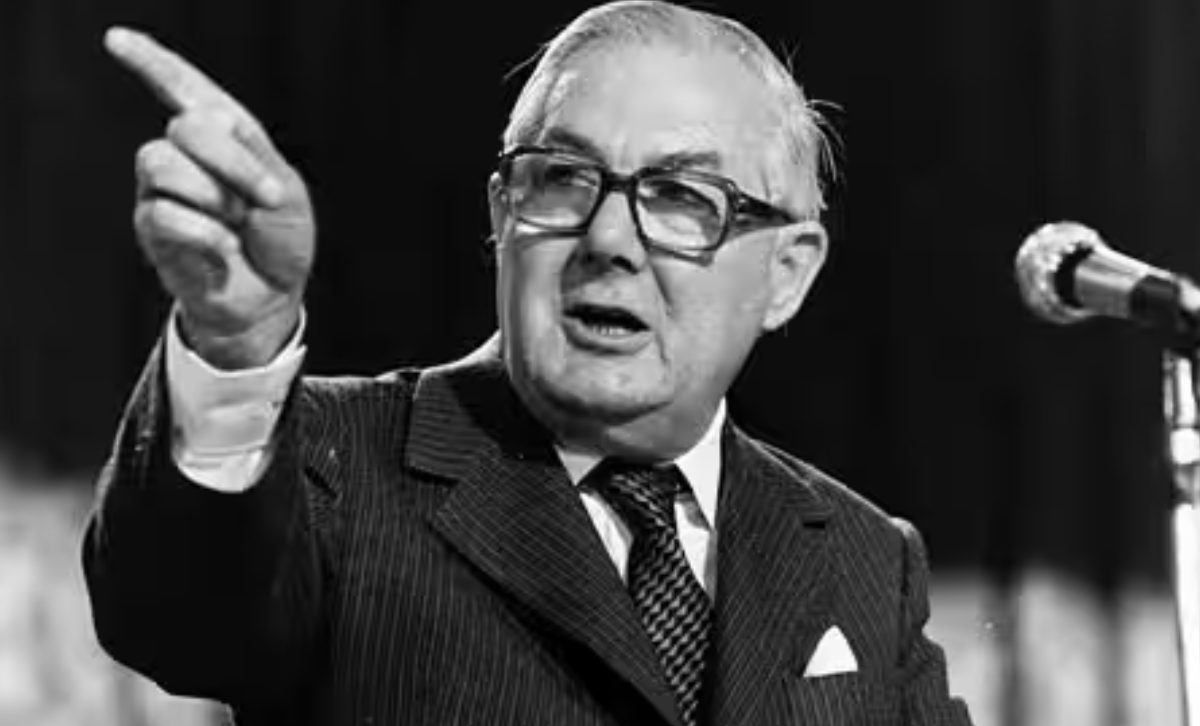
Callaghan addresses the TUC, 1980

James Callaghan, who died 20 years ago this week, might have been Britain’s most forgotten postwar prime minister had it not been for the winter of discontent. The strike-dominated final months of his premiership, when bodies went unburied and rubbish piled up in the streets, ensured a convincing victory for Margaret Thatcher in the 1979 general election.

Yet Callaghan was a more successful prime ministers than critics allow, especially given his terrible inheritance. When he took over after Harold Wilson’s surprise resignation in 1976, inflation was running at almost 19 percent a year. He inherited a wafer-thin majority, which had disappeared within a year. The trade unions were pushing for ever-bigger pay increases to offset inflation, but which inevitably pushed prices higher still.

Callaghan was unfazed by it all – at least until the final, bleak winter. A man who had fought in the second world war, and been through a different kind of fire as chancellor, home secretary and foreign secretary, calmly faced whatever crisis came his way. This was one reason why he was more popular as PM than his party or his Conservative rival Margaret Thatcher. In troubled times, Sunny Jim was a reassuring captain even as the ship was at risk of sinking.

He led his cabinet with a rare skill. Those were the days of political ‘big beasts’ – Denis Healey, Tony Benn, Michael Foot, Roy Jenkins and Anthony Crossland were just some of the big names in his cabinet. (He sent the formidable Barbara Castle, once tipped to be Britain’s first woman PM, to the back benches.) Callaghan’s achievement in getting the Cabinet to agree to dramatic public spending cuts in the face of the sterling crisis months after he took over was striking. He used his diplomatic skills to get American president Ford to put pressure on the IMF to grant Britain a loan. And he called nine lengthy cabinet meetings to discuss and agree the cuts required by the International Monetary Fund for it to grant that loan. The born-again left winger Tony Benn pushed hard for an alternative economic policy based on import controls, rather than public spending cuts. Callaghan showed saintly patience in handling Benn, who in turn praised his leader as a much better PM than Wilson.

The historian Dominic Sandbrook has described Callaghan’s handling of the 1976 crisis as ‘a remarkable achievement’. Writing in Seasons in the Sun, his history of Britain 1974-76, Sandbrook noted that the new PM had worked miracles to mollify the markets, strike a deal with the IMF and keep the government united, despite the inescapable fact that having to ask for a loan was humiliating for Britain. Yet the great irony is that the crisis was based on typically flawed Treasury figures. Instead of borrowing £11 billion a year, Britain was actually borrowing £8.5 billion. Chancellor Denis Healey only needed half the IMF loan, and repaid it far sooner than anyone expected. But history had been made regardless: he and his PM had ended Britain’s postwar Keynesian economic policy, adopting monetarism three years before the arch monetarist Margaret Thatcher came to power.

By 1978, the dark economic clouds seem to be lifting. Inflation was down to 8 percent from the 1975 high of 24 percent; Britain was starting to enjoy the North Sea oil bonanza; and Chase Manhattan’s European economist proclaimed that ‘the outlook for Britain is better than at any time in the postwar years’. Consumers were buying new cars, fridges and washing machines. As a later generation would say, the feel good factor was returning. This seemed like the perfect time to call an election, and secure a Labour government into the 1980s.

Most people – including his advisers – thought Sunny Jim would go to the country. The Times reported on 3 September 1978 that an election was likely to be announced within a week. Union leaders urged an election, and so avoid a winter wage explosion. (How right they were…) Just two days after that Times story, Callaghan teased the TUC conference about calling an election, even singing an old song, Waiting at the Church, about a bridesmaid being jilted at the altar by her fiancé because his wife wouldn’t let him marry her. (He attributed the song to the music hall singer Marie Lloyd, but it was actually sung by her less well known rival Vesta Victoria.)

He ended by saying that he had ‘promised nobody that I shall be at the altar in October, Nobody at all.’ If he intended to end speculation about an election, his mock-serious approach failed completely. Callaghan broadcast to the nation saying there would be no early election.

Many cabinet ministers and advisers were shocked and disappointed. With hindsight – notably the searing memories of the winter of discontent – his decision to soldier on looks like a disastrous blunder. Yet that ignores a fundamental truth. Prime ministers rarely call elections before they need to unless they are sure they will win. With the exception of Rishi Sunak in 2024, they don’t want to lose their unique status as leader of the nation prematurely. Callaghan was a cautious politician and the polls in the late summer of 1978 suggested a hung parliament, with neither Labour or the Conservatives with a majority. The only certainty about his decision is that he condemned Labour to a heavier defeat that would have happened in October 1978, rather than turning victory into defeat. His great mistake was to allow the speculation to run out of control. It was a mistake repeated by Gordon Brown in 2007.

The real Jim Callaghan

The ignominious end to his premiership should not obscure Callaghan’s remarkable story in rising to the top. Like so many British prime ministers, James lost his father at a young age, nine. His mother got by on a naval widow’s pension granted by the first Labour government in 1924, but it was not enough to pay for him to go to university. He felt his lack of a degree keenly, although he made fun of it when interviewed by the BBC’s Desert Island Discs in 1987:

‘If people say I’m not clever at all, I’m quite prepared to accept that, except that I became prime minister and they didn’t, all these clever people!’

Callaghan was elected MP for Cardiff South in the Labour landslide of 1945. My late mother was covering one of his election rallies for the Penarth Times, and for years afterwards resented Callaghan’s disparaging public remarks about the paper when she questioned him.

He is the only prime minister to have held all the great offices of state: PM, chancellor of the exchequer, foreign secretary and home secretary. He observed that he didn’t find being PM harder than the other great offices. But he had the confidence in 1976 that came of his 30 years in politics, and 12 years of front bench experience. He was a good delegator, ‘preferring to sit back and let the others do the work’, and happily admitted he was never a workaholic. Today’s inexperienced premiers could learn from Callaghan’s example.

The Cardiff connection

My father Bob Skinner, left, with PM Jim Callaghan, right. Jim’s legendary agent Jack Brooks to the PM’s right

Amazingly, Callaghan was a Cardiff MP for 42 years, and continued as MP for eight years after his 1979 election defeat. That is unheard of today. He was a good constituency MP, as I discovered when, as a 22 year old graduate, I sought his help.

My father Bob Skinner was involved with the Cardiff Festival of Music. In 1985, Cardiff was due to host the world premiere of a work by a leading composer. On the eve of the concert, Dad discovered that two soloists from Hong Kong didn’t have the work permits needed to allow them to travel to Wales to perform. He thought that as the local MP and former PM Jim Callaghan could help. The two of us met Sunny Jim in his splendid House of Commons office (he was then ‘father’ of the House of Commons – the longest serving member), and he couriered a note to Conservative employment minister Alan Clark: “Come on Alan, as a Plymouth man make Drake’s drum beat again – for Cardiff!” The permits were issued within hours – the concert was saved, and proved a triumph. 

What I didn’t know at the time was that Callaghan and Clark got on well, a not unusual example of cross-party friendships. In his famous diaries, Clark revealed that Callaghan asked to see Clark privately in his room in the Commons during the Falklands crisis in 1982. Callaghan was due to speak in the second emergency Commons debate about the Argentinian invasion of the islands, and wanted Clark’s advice on what to say. Clark said, ‘I have a rapport with Jim’.

Just before we said goodbye, Callaghan asked me as a new graduate what I wanted to do for a living. ‘I’d like to work in PR or journalism,’ I replied. ‘They all want to do that now, don’t they?’ Jim replied, more to Dad than to me. Within two years, I had started my 37 year career in PR.
Fifty years ago: second election in a year

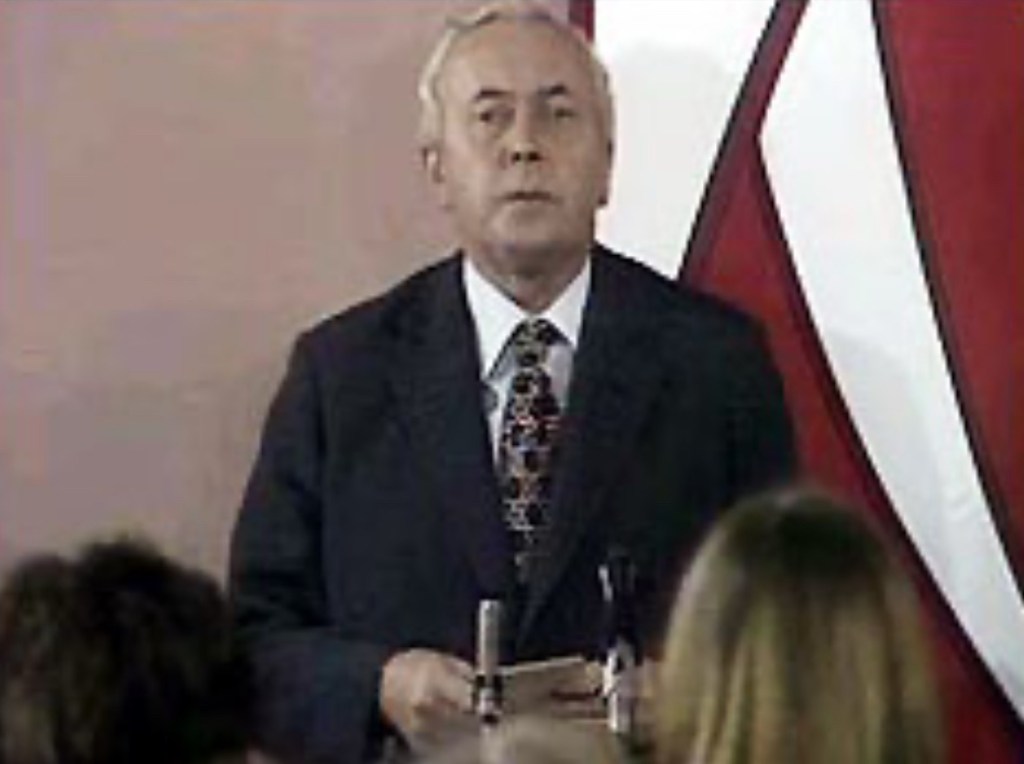
Harold Wilson wins his fourth general election

Fifty years ago today, I broke the light in the loft of our Cardiff home. I only know the date this happened because a far more historic event happened the same day. Britain held a second general election in eight months – only the second time two general elections had taken place in a calendar year. (The other time was 1910, when the Liberal government was locked in a titanic battle with the unelected House of Lords to pass the People’s Budget, which introduced Britain’s first state pension.)

Harold Wilson had very narrowly won the first 1974 election in February, picking up fewer votes but a handful more seats than the Conservative government, led by Ted Heath. The Tory PM had gone to the country in the midst of a bitter battle with the striking coal miners. He framed the vote as ‘Who governs Britain?’ The electorate (at least by the rules of the UK’s first past the post voting system) answered: ‘Not you!’

It was clear that, hampered by the first hung parliament since the war, Wilson would soon call another election to try to win a working majority. In the event, he gained a margin of a pitifully thin three seats. There followed a chaotic, exhausting yet enthralling period in British politics. Wilson himself surprised almost everyone by stepping down aged 60 in 1976, leaving Jim Callaghan to cope with the loss of that wafer-thin majority in 1977. He negotiated the Lib-Lab pact with the Liberal party and the government survived until losing a confidence vote in March 1979. The election that followed brought Margaret Thatcher to power as Britain’s first woman prime minister.

I met Callaghan six years later, when Dad and I visited him in his House of Commons office on a mission to secure a work permit for a musician from Hong Kong who was appearing in a concert in Cardiff. I’d just graduated from university, and Sunny Jim asked me what I wanted to do for a living. When I replied that I’d like to work in PR or journalism, Callaghan turned to my father and commented, ‘They all want to do that know, don’t they!” I tell the story of that meeting in more detail here.

The end of coal power in Britain

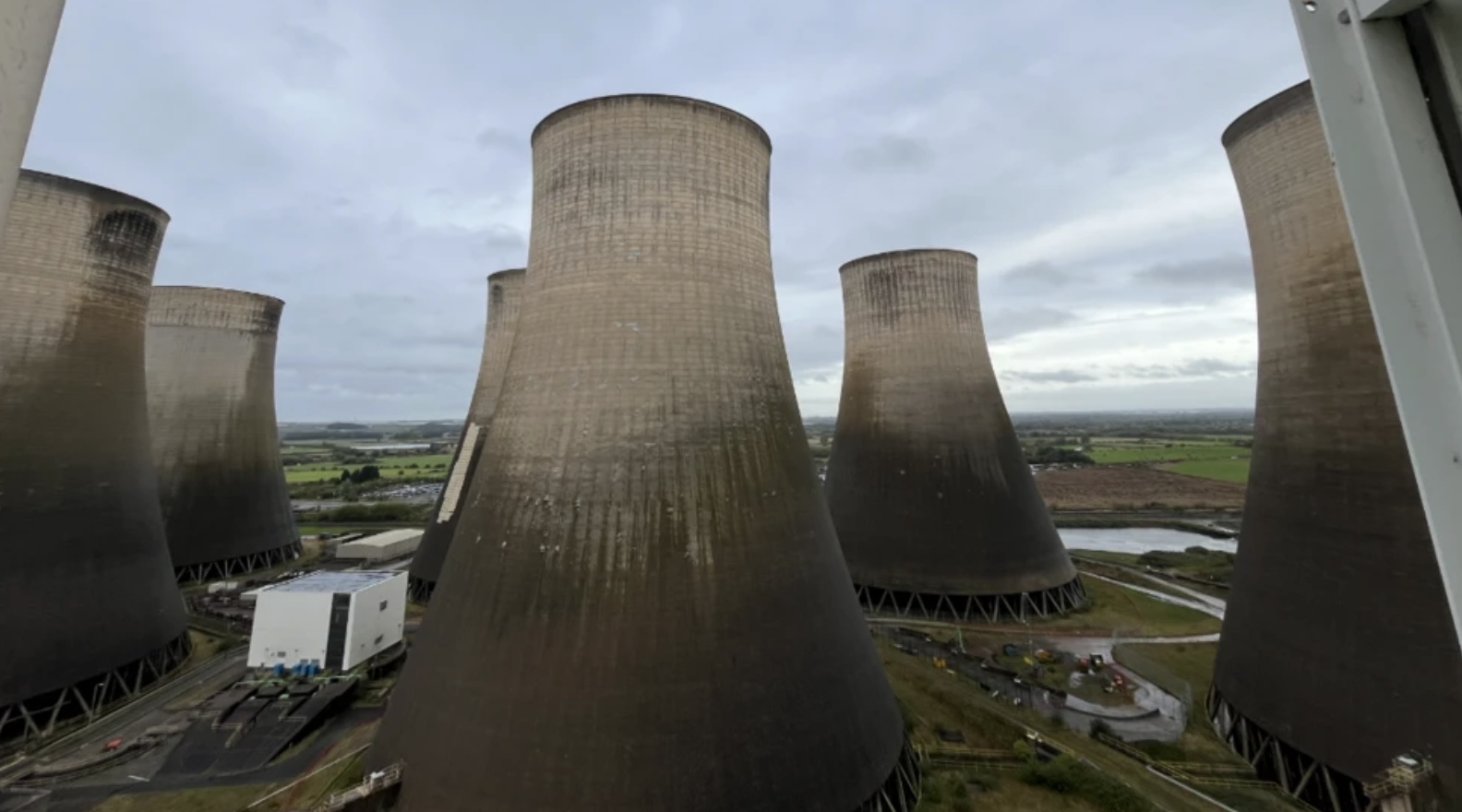
The cooling towers at Ratcliffe on Soar power station. Photo: BBC

The coal age in Britain is over. The country’s last coal-powered power station closed yesterday, marking the end of 140 years of generating power from coal.

I have fond memories of that power station, Ratcliffe on Soar. On a canal holiday in 1988, we moored in the shadow of its eight cooling towers, toasting its mighty presence with a bottle of gin. It dominated the East Midlands landscape.

‘Salt and pepper’: Roath Power station, Cardiff

Over 50 years ago, my late father Bob Skinner played his part in the destruction of the cooling towers at the old Roath Power station in Cardiff. Dad told me that he pressed the button that blew up one of the two towers, nicknamed ‘salt and pepper’. Full of pride, I told my school friends about Dad’s starring role in the event that featured on the Welsh news the night before. “No he didn’t – the [lord] mayor did!’ my friend replied. Over half a century on, I will never know the truth.

Didcot Power station – the cathedral of the Vale

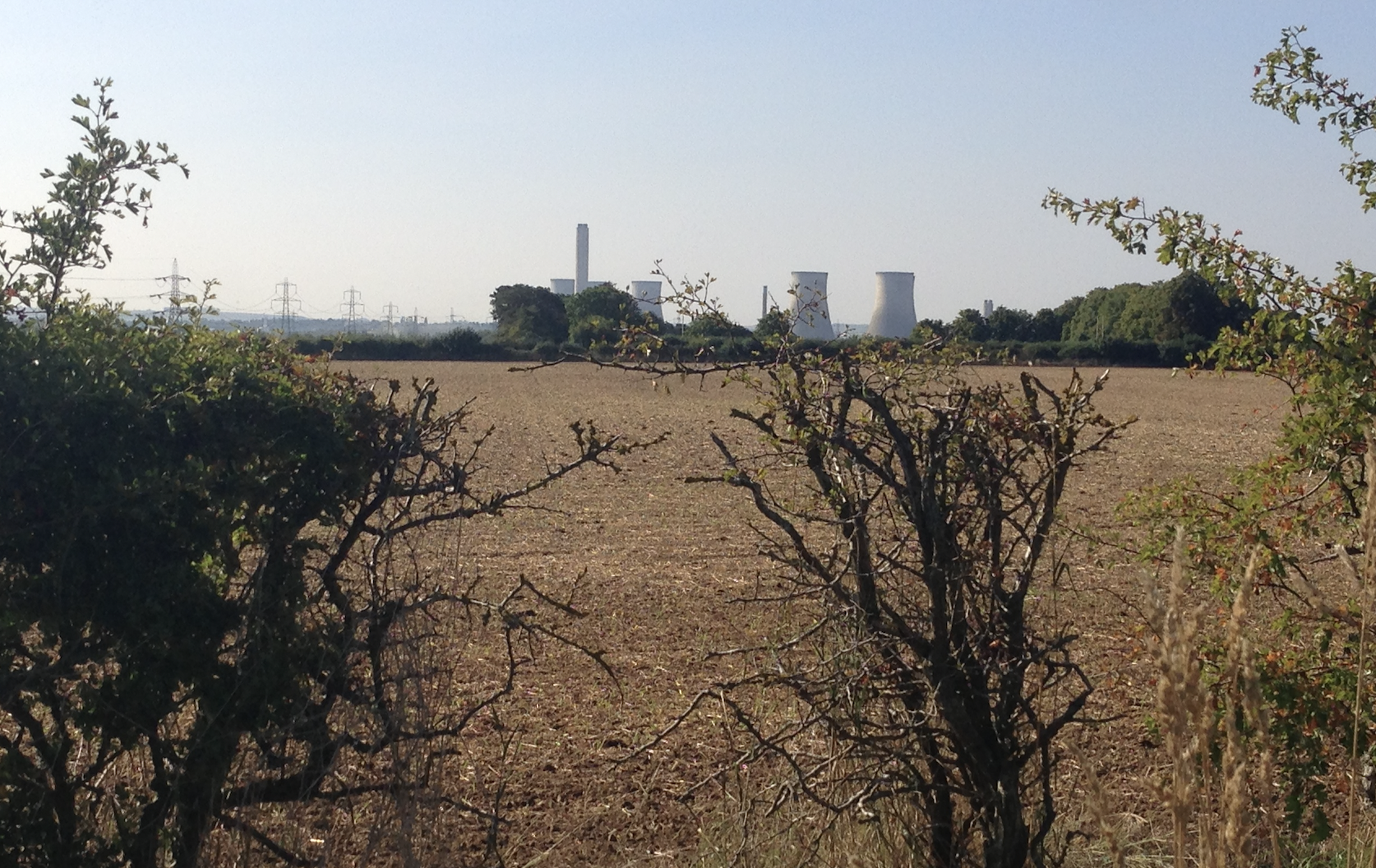
I was most familiar with Didcot power station in Oxfordshire. It was known as the cathedral of the Vale of the White Horse (though we called it DPS), as it could be seen for miles around, and was a milestone on rail journeys between London and Wales. The most striking views were from 18 miles away on the M40 motorway as it climbed the escarpment at Stokenchurch.

We mourned the loss of that iconic view after Didcot’s last three cooling towers were demolished in 2019. I hope calls to save at least one of the Ratcliffe on Soar towers are successful, so we can save part of this monument to the part coal played in powering Britain.

No longer sharing my thoughts with my dad…

When I started blogging 18 years ago I chose a tagline: ‘Rob Skinner shares his thoughts with the world’. Then I reflected that seemed rather boastful – the world wouldn’t care what I thought. So I added a tongue in cheek qualification. The final line read, ‘Rob Skinner shares his thoughts with the world – or his dad’.

It proved a fair reflection of my limited audience. Dad and I often discussed my blogposts, and I was delighted when he started his own blog as the first Covid-19 lockdown began in 2020. (We later turned that into a Kindle book, as the BBC reported.) One of his own last blogposts, the month before he died, about cinema, was prompted by my reflections on childhood cinemas.

After Dad died last February, I occasionally thought the old tagline was poignant rather than apt. But I was reluctant to remove it. But now, 11 months after Dad passed away, and a year after that father and son blogging double act, seems the right time to do so.

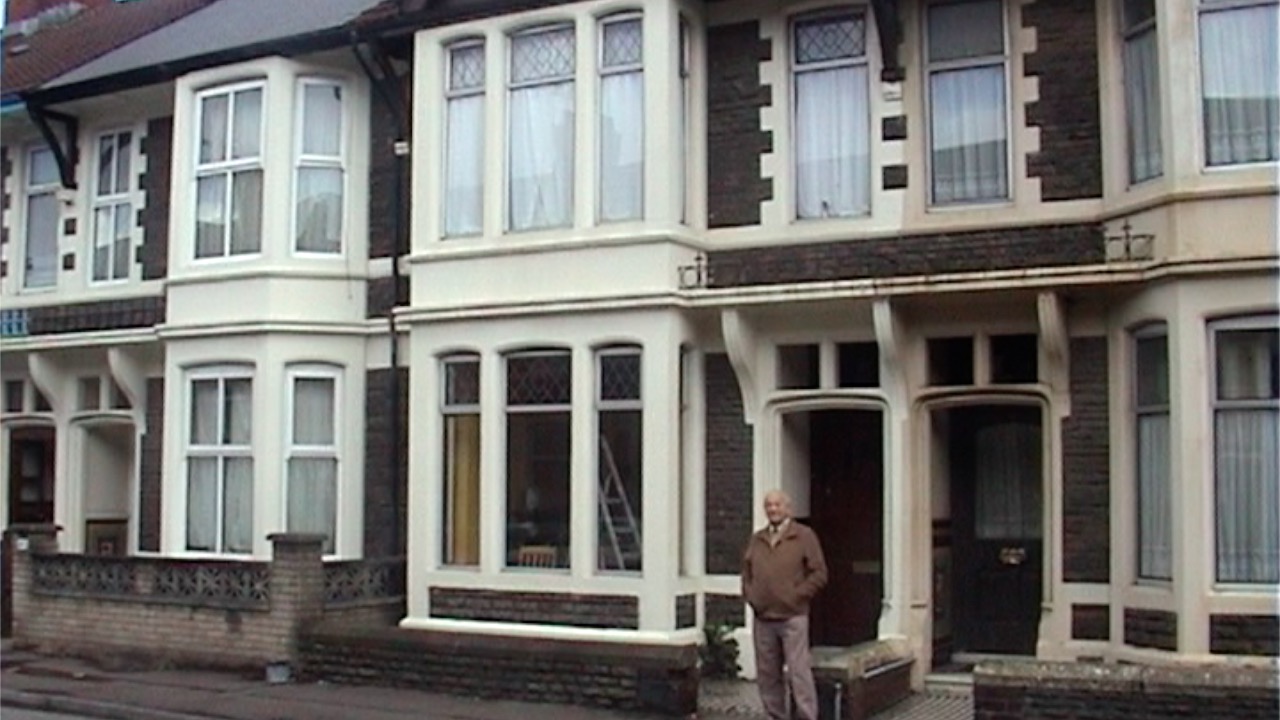
Dad (Bob Skinner) in 2005 outside the house he moved to when war broke out in 1939

Like most people who have lost a parent, I miss the chance to ask Dad a question about a hundred and one things. For example, when I blogged recently (Echoes of 1939) about his evacuation from London to stay with his aunt in Splott, Cardiff, at the outbreak of the second world war, I realised I had no idea how he got to Cardiff. Train? Coach? Alone or with his mother? Sadly, I will never know. But I have a lifetime of memories, not to mention Dad’s written memories and archives.

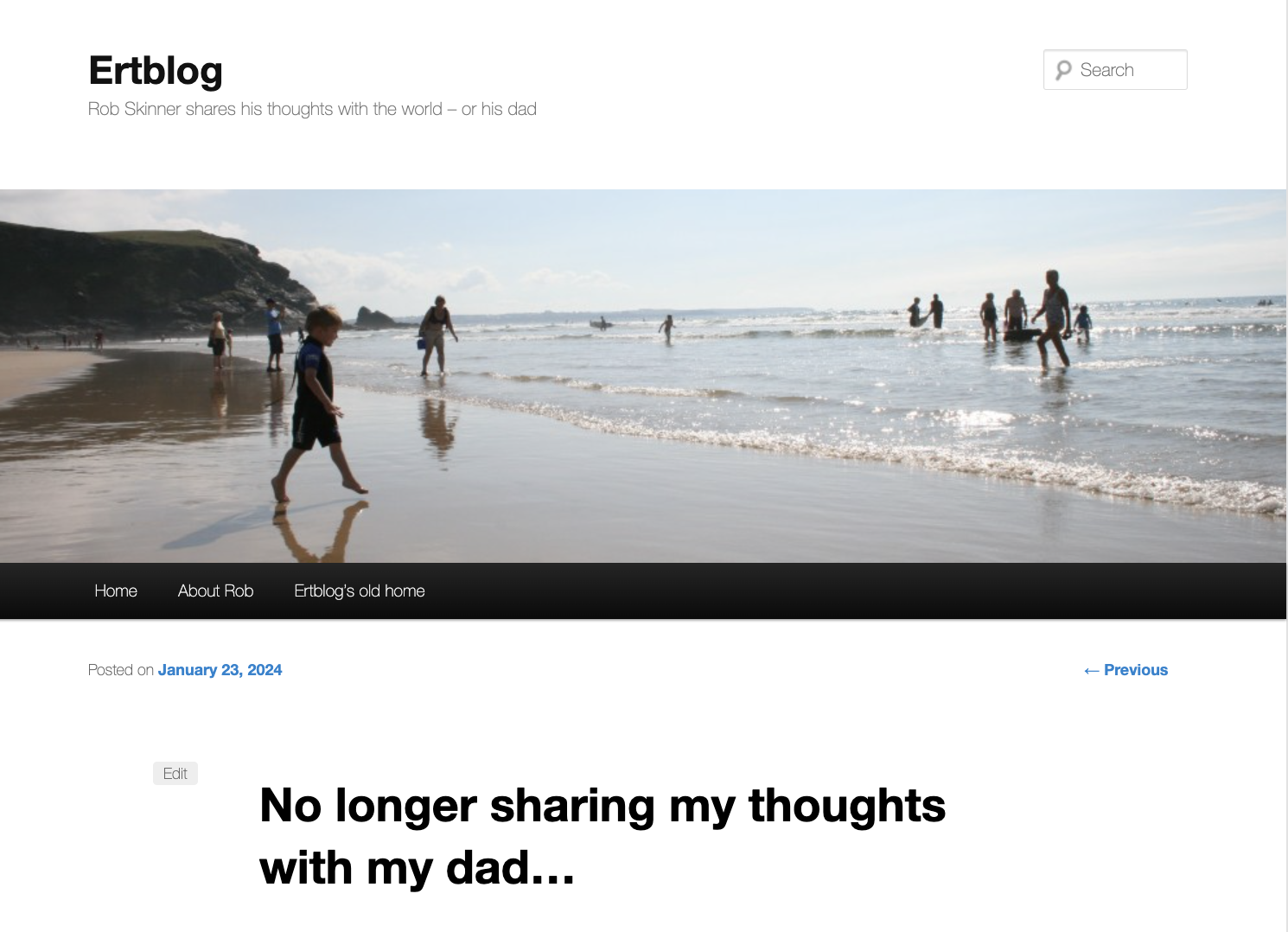
PS: for the record, a screenshot of this post with the old tagline, before I retire it.

Postscript

Ahzio’s lovely comment on this post – that I should keep the tagline mentioning my father – prompted me to change it to a dedication to both Dad and Mum, former journalists who inspired my love of writing.

Cardiff, Wales, Monmouthshire and England

Monmouthshire in Cardiff

The authorities once thought this part of Cardiff was in England

Today’s Daily Telegraph includes a letter from a Cardiff reader Barrie Cooper complaining that BT insists on sending him a Newport phone directory because he lives in east Cardiff. This prompted schoolboy memories of a time when Cardiff’s eastern suburbs were technically part of England. Not that any of us accepted that for a moment…

Continue reading

We love M&S Culverhouse Cross

IMG_0139

M&S: a very special restaurant

We’ve loved Marks & Spencer’s Culverhouse Cross store in Cardiff for a long time. It has a huge range of goods, an excellent food hall and nice cafe almost all on one floor.

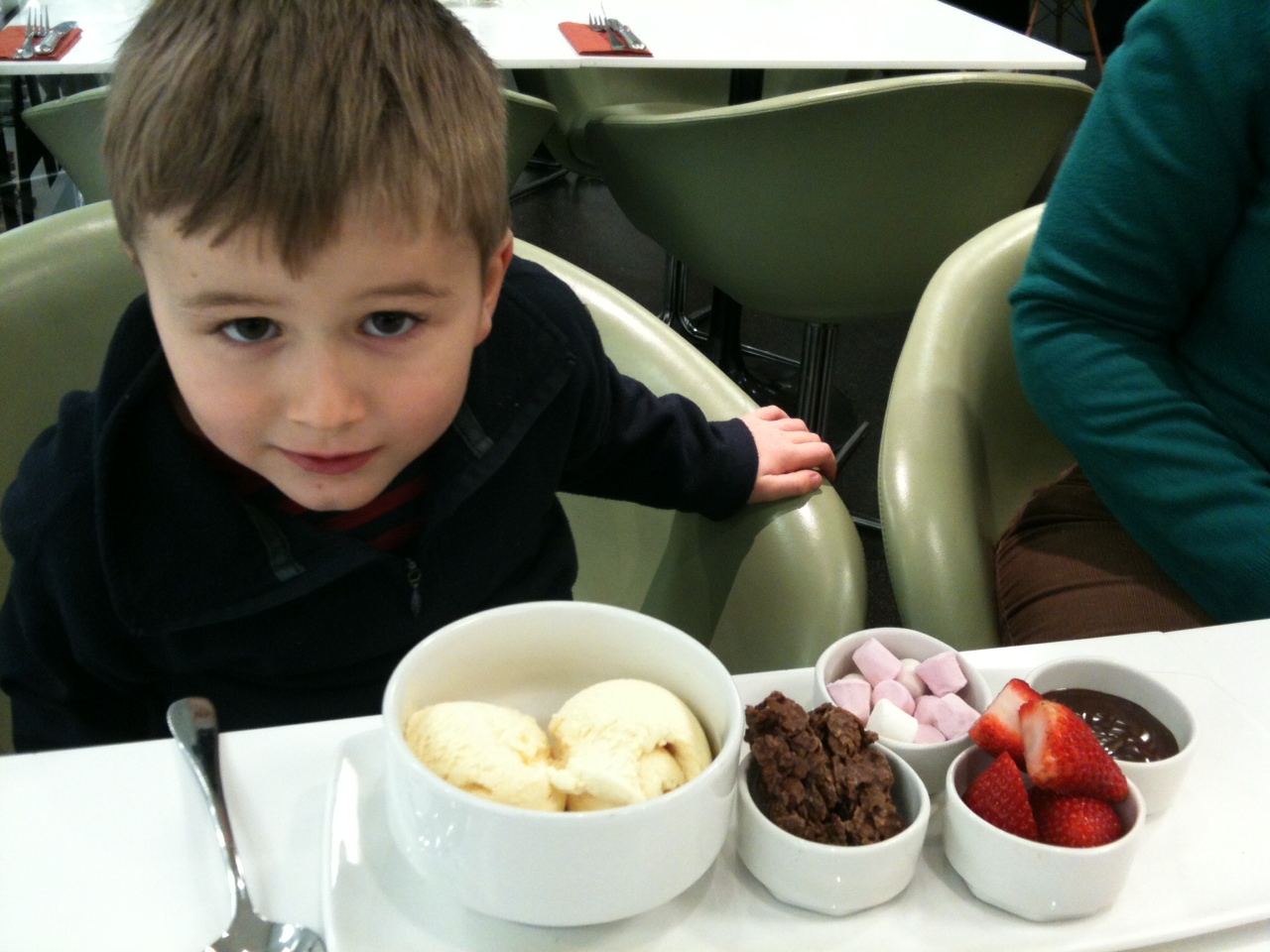
It now has the best restaurant of any high street store I’ve come across. We called in on our way to Mum and Dad’s in Penarth last weekend, and decided to have a late lunch there. It was great value – and the food was wonderful. (With at-table service.) Best of all was Owen’s dessert – with the kind of presentation you’d normally find only in a far more expensive restaurant.

We’ll definitely be back!

Cardiff’s Queen Street BHS to close

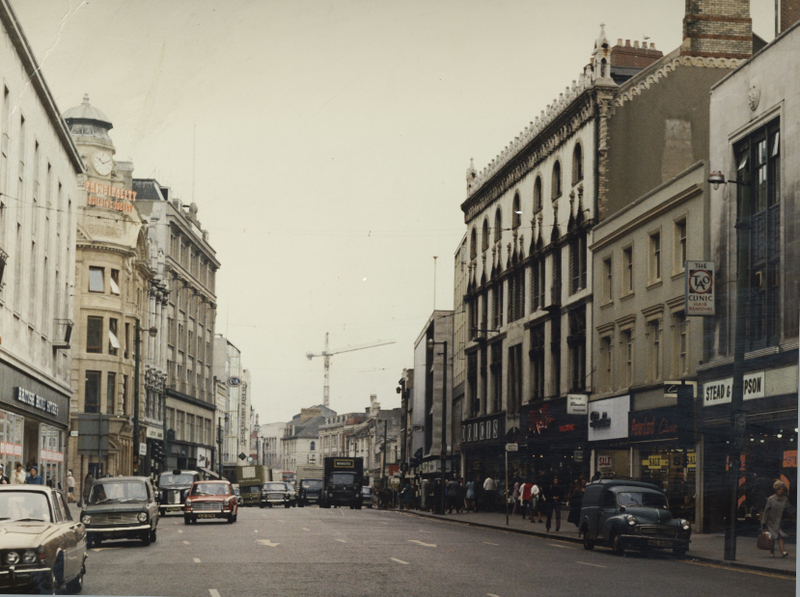
The original Cardiff BHS, 1970s

I felt nostalgic tonight when I read that Cardiff’s main BHS store in Queen Street is to close.

The store was once the site of the largest Woolworths store in Wales, before Woolies closed in around 1985. British Home Stores (BHS) relocated a few hundred yards from the store you can see in this wonderful photo.

The original Woolworths was a special place. It had a cafeteria on the upper mezzanine floor. Even in the 1970s it was selling loose biscuits behind a glass counter window. BHS was never quite as iconic, although it did briefly have an in-store Nationwide Building Society branch in the late 1980s.

The photo shows Queen Street before it became traffic-free in 1975. Judging by the gleaming K-reg Rover on the left I’d say it was taken in 1972 or 1973.

The details are fascinating. Every car is British. The Dutch clothing store C&A was still a household name (it left Britain in 2000). Top Rank Suite enjoyed the glam rock era.

The crane in the background was building Brunel House, which was meant to house British Railways’ Western Region headquarters. (Another botched reorganisation at the taxpayers’ expense…) The Venetian-looking building on the right once overlooked the Glamorgan canal, which entered a tunnel here. (It was filled in over 50 years ago.)

The sign for the hair removal clinic (above Stead & Simpson on the right) suggests we were already obsessed about appearances!

Remembering Cardiff’s Empire Pool

Remembering Wales Empire Pool

We took Owen swimming at Cardiff’s International Pool today. He loved it, and so did we. Going in, we spotted this plaque commemorating one of my favourite childhood haunts: the Wales Empire Pool, which was demolished to make way for the Millennium Stadium.

The Empire Pool was built for the 1958 Empire Games, hosted by Cardiff. As a child, I was in awe of the enormous pool, the impossibly high diving boards and the stark functionality of the building. Swimming a length was a major voyage.

The best memory was the day the drinks machine went haywire, spewing out free coffees. My Cardiff High School class rushed to take advantage!

I actually learned to swim in another long-gone Cardiff pool. Guildford Crescent was a Victorian pool – actually two pools – opened in the 1860s. By the 1970s it was in a bad way. But in the autumn term 1974 I spent part of every morning for four weeks there, and by the first Friday I could swim and went up to the next class. Less happily, the next step was learning to dive, but I never got beyond belly flops. Despite that. I’ll always remember Guildford Crescent fondly as the place I learned one of life’s most precious skills.

Maps: icon to icons

The maps we loved: the Vale of Glamorgan 1970s, mapped by Ordnance Survey

Last month, Apple came under fire for the poor quality of its new Apple Maps app for iPhone and iPad. The reaction showed how our idea of what a map is has utterly changed. A visitor from the 1970s would be baffled by the idea of a computer company producing a map – let alone the concept of having a map on a phone. They’d have thought it as crazy as a television making a cup of tea.

The map that opens this blog post is a section of the oldest map I possess. It’s the very first Ordnance Survey metric map of the Vale of Glamorgan and the Rhondda. (This 1:50,000 series replaced the much-loved 1 inch OS series.) It’s striking (for Wales) for its English-only place and geographical names: Cowbridge, for example, is unaccompanied by its Welsh name, Y Bont Faen, unlike on more recent OS maps. The map is titled The Rhondda, which is a curiously misleading description of a sheet that covers almost the whole of the Vale as well as many of the valleys of the Glamorgan uplands.

I was given this map as a birthday present in 1977. I used to have the earlier 1 inch OS map of Cardiff (a very different place 35 years ago), along with an even older map of Cirencester, showing the railway lines that closed in the 1960s. (I had fun comparing it with the 1990s equivalent.)

Paper maps have a special quality. In the dark, cold nights of January 1995, I plotted a cycle holiday from Ashton Keynes, near Cirencester, to the English Channel at Beer. It was a warming experience lying by the fire choosing villages and quiet coastal roads to explore the following summer – with a beer. Five months later, I took pride in the fact my friend Richard and I got lost just once in 325 miles when we followed that fireside-plotted trail.

But I mustn’t sound too wedded to the joy of the old over the new. I carried a dozen OS maps on that holiday. Twice we arrived at a promised (by the map) pub to find it didn’t exist. How we’d have loved the idea of carrying maps for the whole journey in our pockets. Along with B&B lists and reviews, weather reports, newspapers, music players and books… It would have seemed a miracle.

The BBC news website’s magazine (a great read, by the way) has a fascinating feature on the subject today. It’s a tad sceptical about the move to electronic maps:

“Digital maps may be shrinking our brains. Richard Dawkins has suggested that it may have been the drawing of maps, rather than the development of language, that boosted our brains over that critical hurdle that other apes failed to jump.”

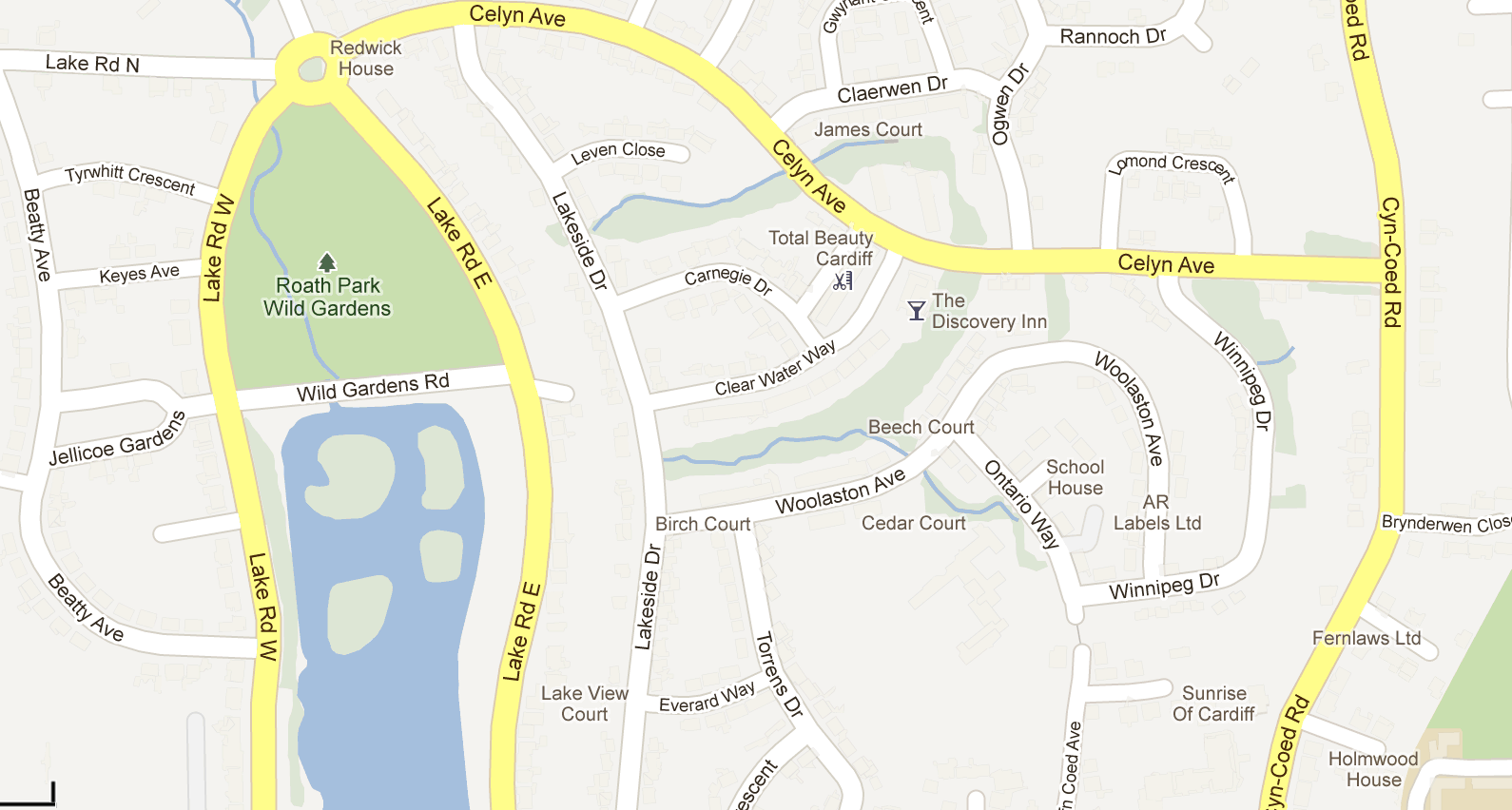
That seems to overstate the case. But I do vividly remember drawing my own spidery maps of Lakeside and Cyncoed, Cardiff, soon after we moved home to Wales when I was seven in 1971. It was my way of making sense of my new hinterland. Most of the houses were less than 10 years old. Street names such as Farm Drive hinted at a more rural past (and there was a surviving farm house close to where Eastern Avenue now crosses Lake Road East).

Lakeside, Cardiff – by Google Maps. My version was more spidery

I’ll end on a cycling note. As I blogged in February, I love having digital maps on my handlebars, in the form of my Garmin Edge 800 GPS. But I’ll still treasure my printed maps. They’re part of my past – and my future.

Witnessing history: Team GB win London 2012 Olympics opener in Cardiff

20120725-225620.jpg

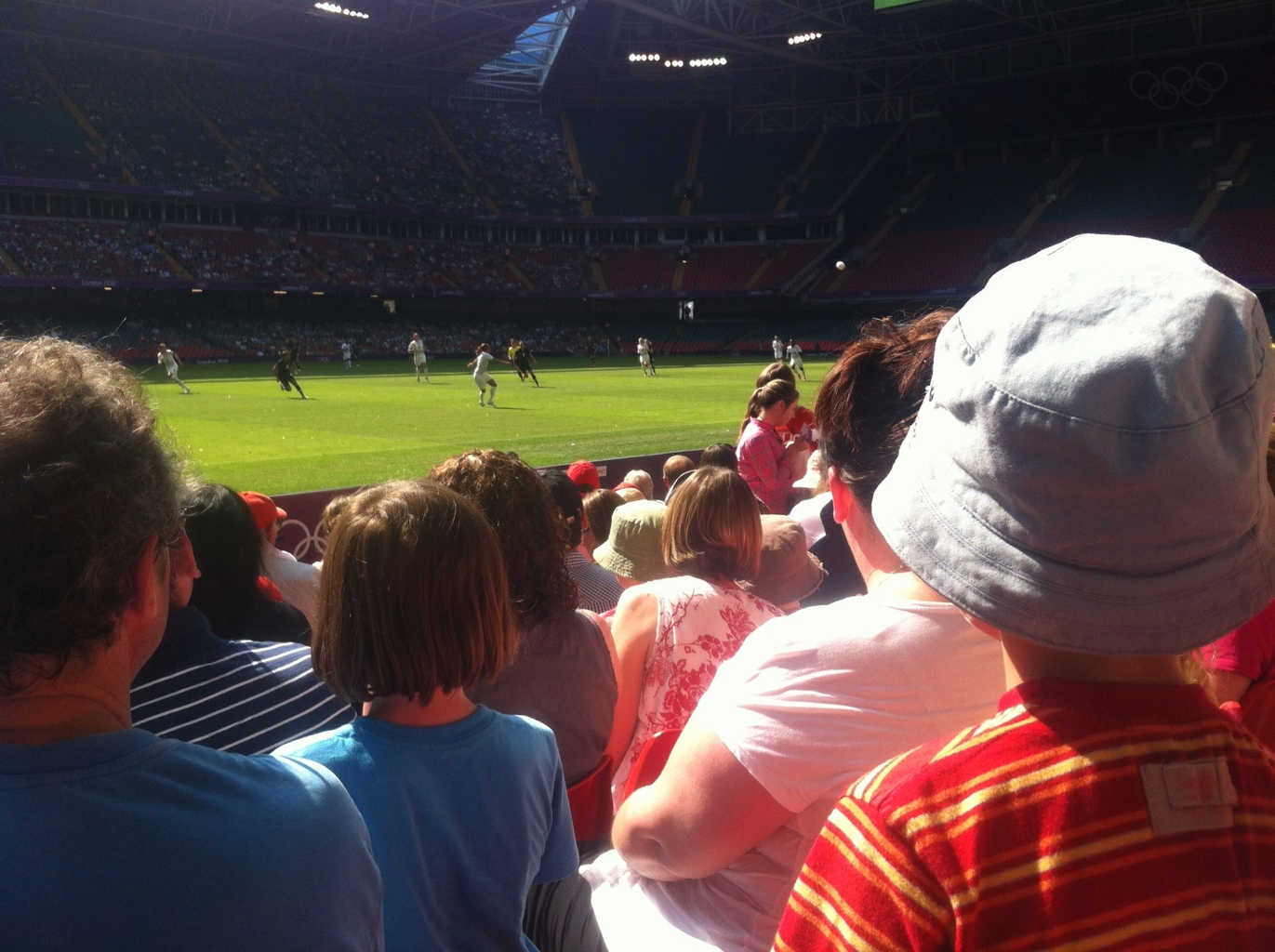
Above: Cardiff gets the 2012 Olympics underway

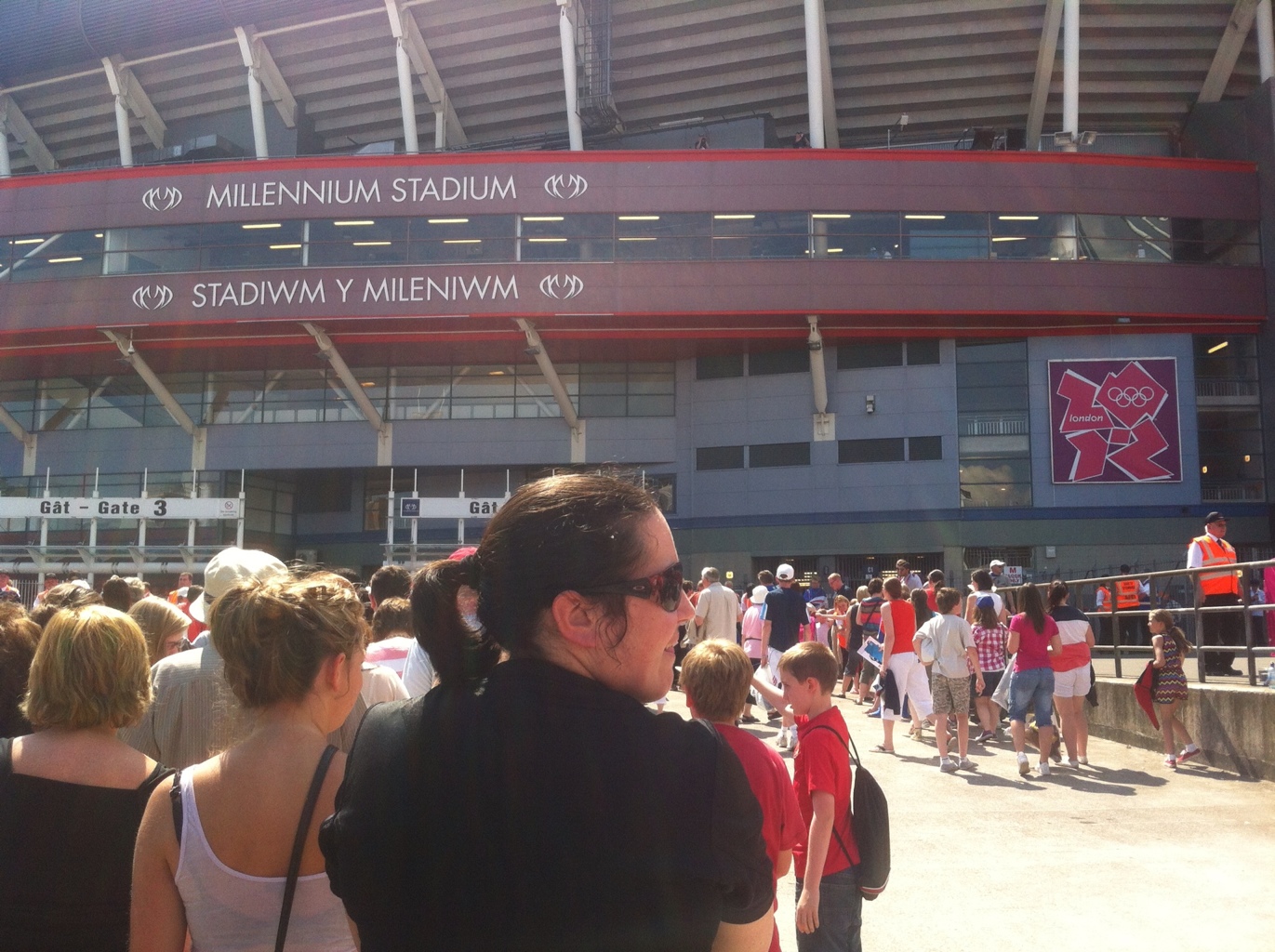
I never thought I’d witness the start of an Olympic Games in my hometown, Cardiff. But that’s exactly what I saw today as Team GB’s women’s football team beat New Zealand 1-0 in the London 2012 opener at Cardiff’s Millennium stadium.

The atmosphere was special as Cardiff welcomed the world – something it’s used to doing as the home of Welsh rugby. It was lovely to experience a genuine enthusiasm for the Games from the many families in the stadium. And the Millennium team did a wonderful job, despite the mad rules imposed on them, such as not allowing us to take bottles of water in on a scorchingly hot day. (The Olympics Gestapo have a lot to answer for. Presumably they were also responsible for the appalling queues for drinks as half the bars weren’t open, which meant many missed the GB goal, as they were still queuing for half time drinks 15 minutes after the break.)

The game was a great advert for women’s football. The action was fast and furious. And it was magical to see the first score of the 2012 Games – for Great Britain.

We’re back tomorrow evening to see Brazil’s men taking on New Zealand.

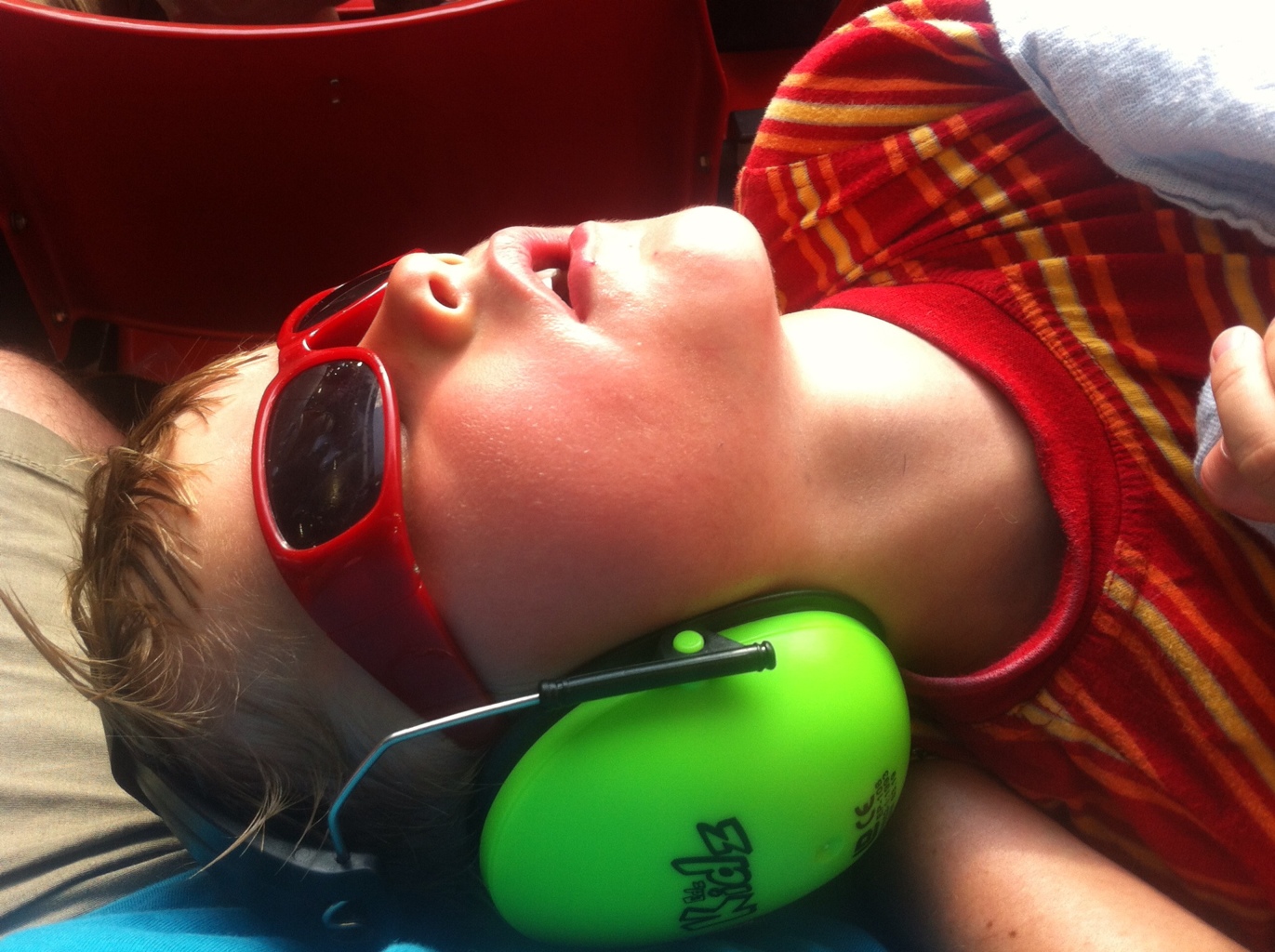
Below: four year old Owen sleeps through the action.

20120725-230859.jpg

20120725-231526.jpg

Above: welcome to Cardiff