How I solved my iPad storage full problem

It was so frustrating. My two year old 64GB iPad 4 running iOS 8 was constantly flashing ‘storage nearly full’ warnings. I couldn’t understand why: the first generation 64GB iPad it replaced always had around 50% capacity free. What was going on?

Today, I bit the bullet and did a reset to factory settings (Settings/General/Erase all content and settings) after doing a back up. As a result, I now have 31.5GB free space. It appears that the device is storing data from multiple back ups. Either way, I now have a working iPad again.

My iPad, four years on

iPad 1

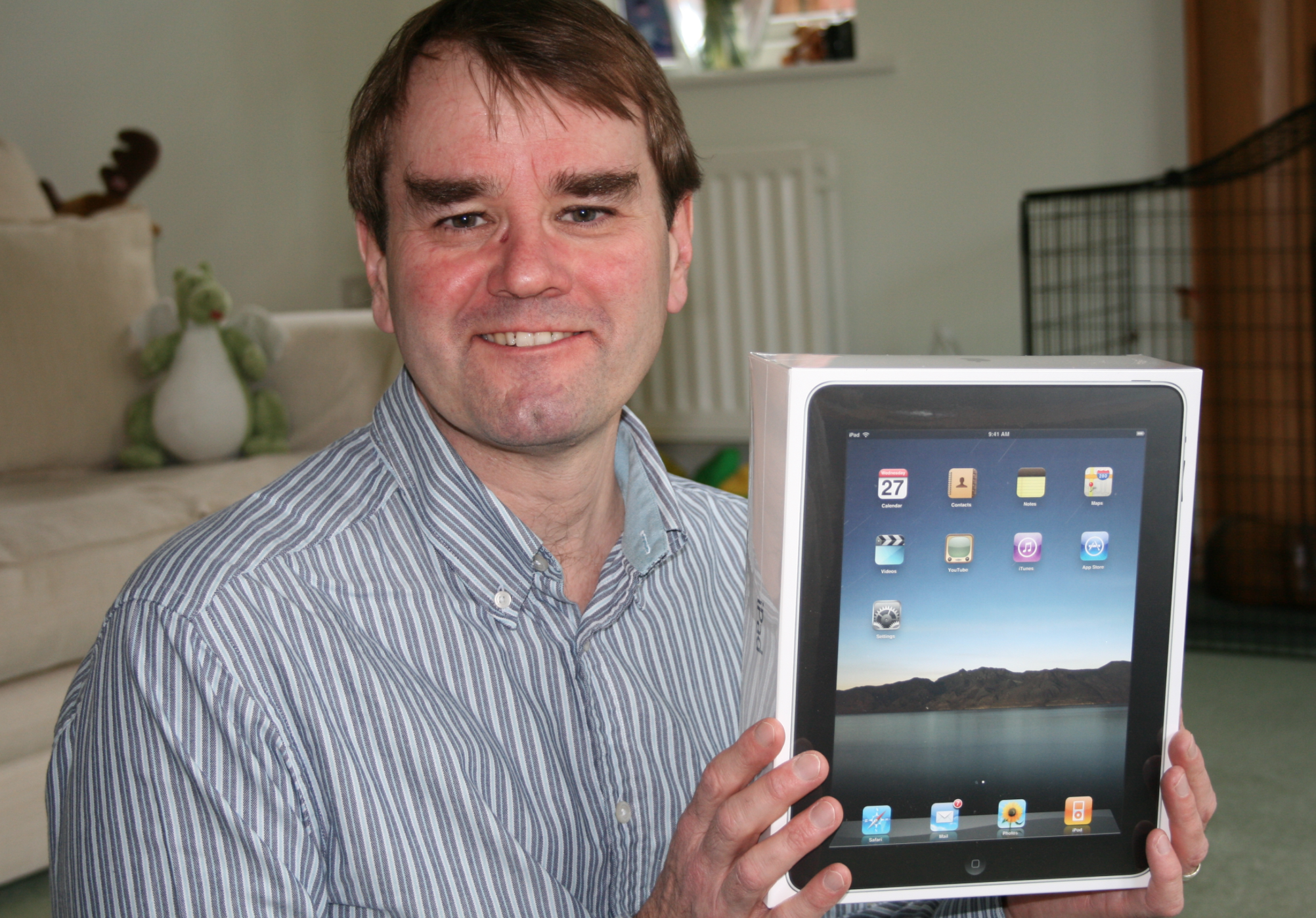
Falling in love with iPad, 27 May 2010

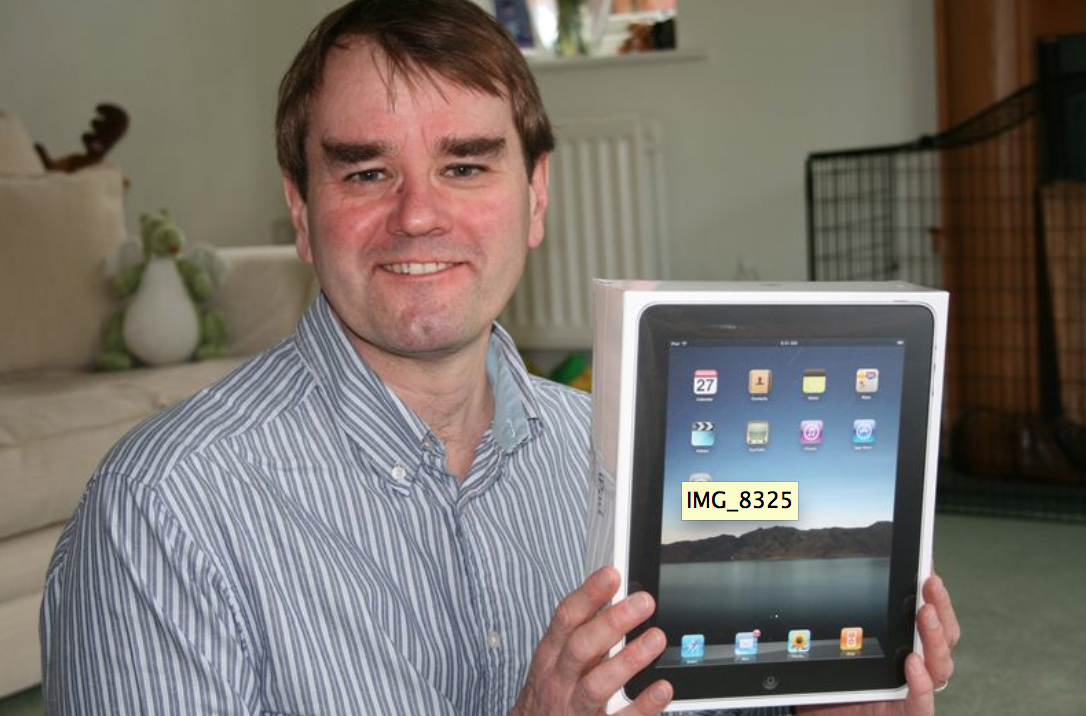
Four years ago today, I got my first iPad – the day before it was released in Britain. It’s the first time I’ve ever been an early adopter. And, as I blogged at the time, it was love at first sight.

The joy of the iPad was getting online almost instantly, thank to its flash memory: no need to wait for a computer to start. And being able to carry a decent but incredibly light computer with me in a rucksack or John Lewis messenger bag was a bonus. I’ve never regretted opting for the cheaper wifi only version, especially after discovering Three’s Huawei mifi.

Continue reading

Solving Daily Telegraph iPad app problems

Daily Telegraph iPad app

Daily Telegraph iPad app

I love reading newspapers on my iPad. I get them delivered to my tablet without having to go to the letterbox, never mind the newsagent. I can catch up on the news wherever I am in the world, as long as I’m online. The Daily Telegraph iPad app is one of my favourites, as it’s one of the most elegant apps.

But it’s not the most reliable. It rarely if ever downloads automatically, unlike the Guardian and Sunday Times. And recently it has stopped downloading at all: it sticks at 8% downloaded.

Time to use the app equivalent of turning a pesky computer on and off again: I deleted the app completely and downloaded it afresh. This is where I ran into difficulties. It asked me to enter my details as a subscriber. I chose ‘digital subscriber’. But it didn’t recognise me. I tried again. And again. Still no joy. It kept asking me to buy a subscription, which I already had.

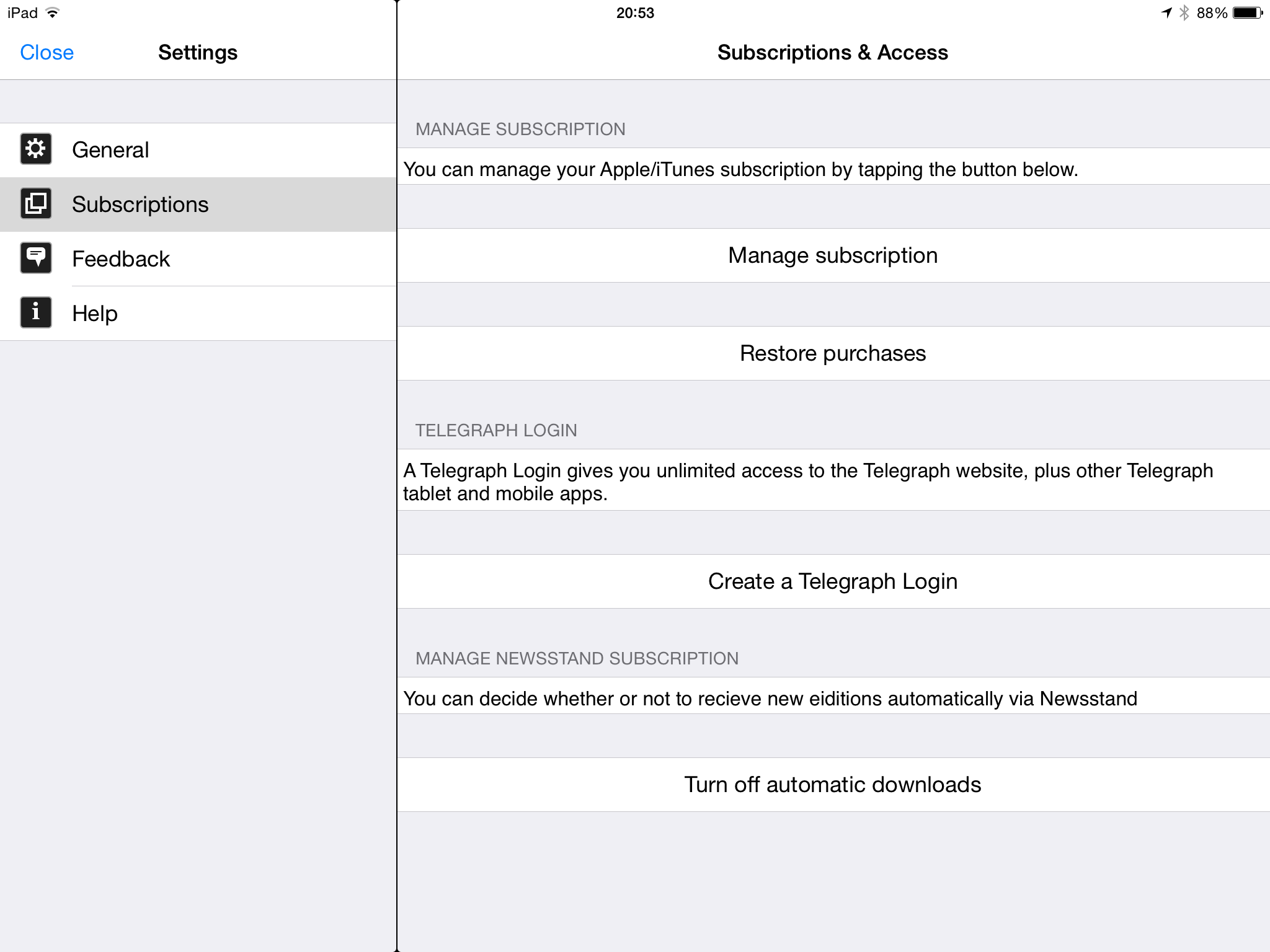
At this point I called the 0800 number. A helpful man told me I needed to take a different route: click on the cogwheel on the bottom left of the app screen. Click subscriptions, then choose restore purchases. Enter Apple ID password – and you’ll not be asked to buy a new subscription.

Restore purchases

Choose restore purchases

This solved the 8% hitch. It still doesn’t download automatically though…

Why I’m cancelling the Guardian after 36 years

The Guardian: from print to pixels

The Guardian: from print to pixels

I’ve been reading The Guardian since 1978: the year the winter of discontent started and the first test tube baby was born. As a 1980s student I endured days when the paper never appeared because of strikes and days when photos were so badly printed they were impossible to discern. Today’s paper is a miracle in colour – and the writing is as glorious as ever – yet I’m cancelling my subscription.

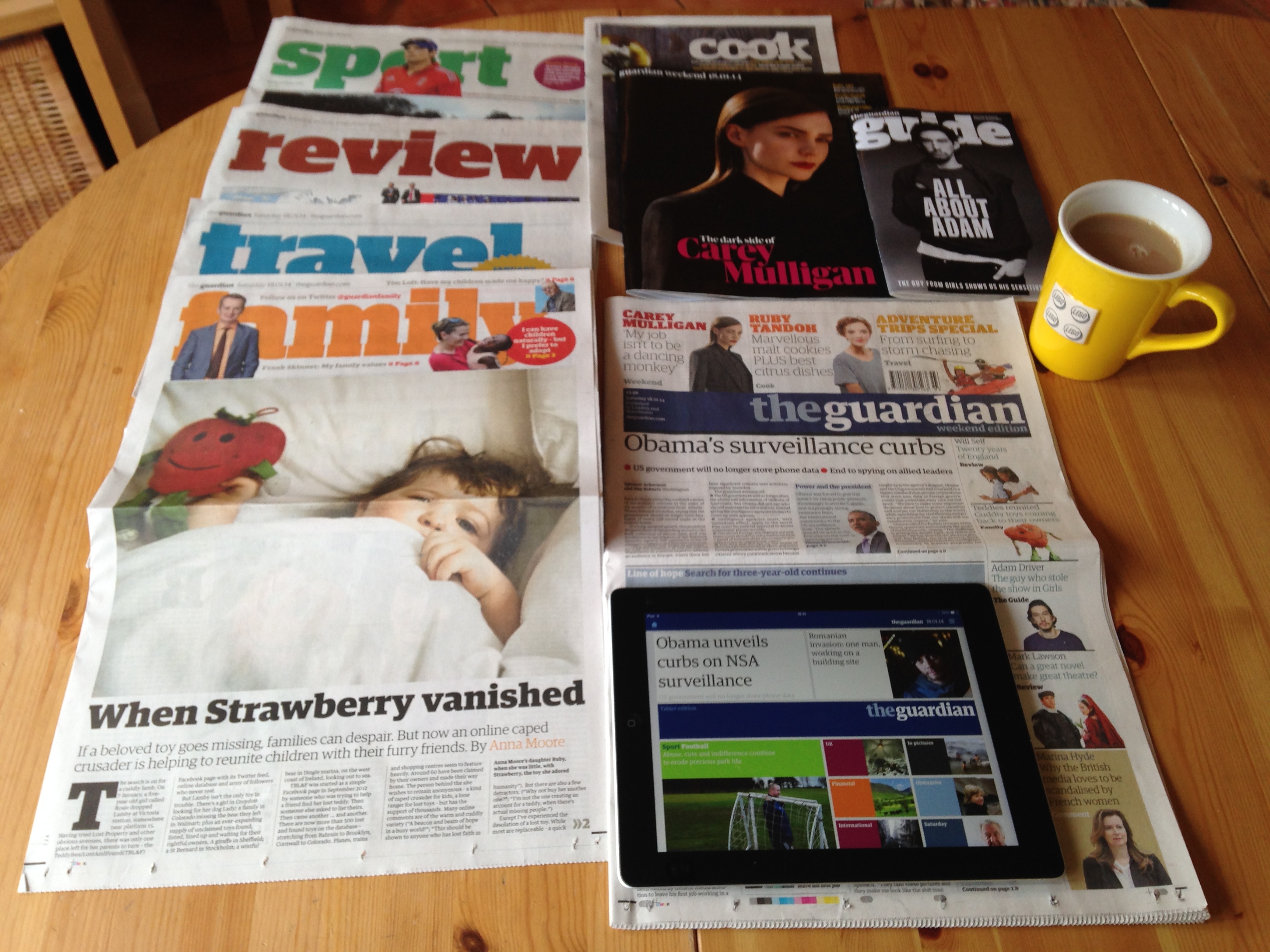
But this is no act of infidelity. I’ve decided after two years that the Guardian’s iPad edition is perfect for me. I prefer pixels to print, at least during the working week. I can read the ‘paper’ at the breakfast table in San Francisco and Sirmione as well as at home in our Buckinghamshire village without looking for a newsagent. I don’t have to recycle yesterday’s paper. And my fingers don’t get mucky with newsprint.

I made the decision after weeks of never buying the print edition with my subscriber’s vouchers. Most days, I read the iPad edition over lunch at my desk at work, avoiding the queue at WH Smith for the printed paper.  I couldn’t see the point of spending almost £40 a month for the print subscription when I could get the digital version for around a quarter of the price.

I’ll still buy the printed Guardian on Saturdays. Weekends are different, and Karen and I enjoy sharing the weekend paper – I devour the opinions and sports sections, while she enjoys Family and Travel. (We both love the Weekend magazine.)

The Guardian is special. It stands out from the overwhelmingly authoritarian, right wing British national press. It has been a digital pioneer, although it was slow to introduce an iPad edition. Like many, I wonder how long it will maintain a print edition. Yet I’ve surprised myself. When I started reading the Guardian, Times and Telegraph on my iPad, I thought printed newspapers had a unique appeal that would endure. Now I’m not so sure.

Britain’s papers have embraced the iPad. The broadsheets have become pixel publishers, yet it’s not clear how much money they’re making from their digital editions. But there are two brutal truths: they cannot survive on print alone. And giving away content for free online threatens everything. It will be fascinating to see how this story develops over the next few years.

PS: my review of the very first Guardian iPad edition has stood the test of time. You can also read my post about The Times’ iPad edition.

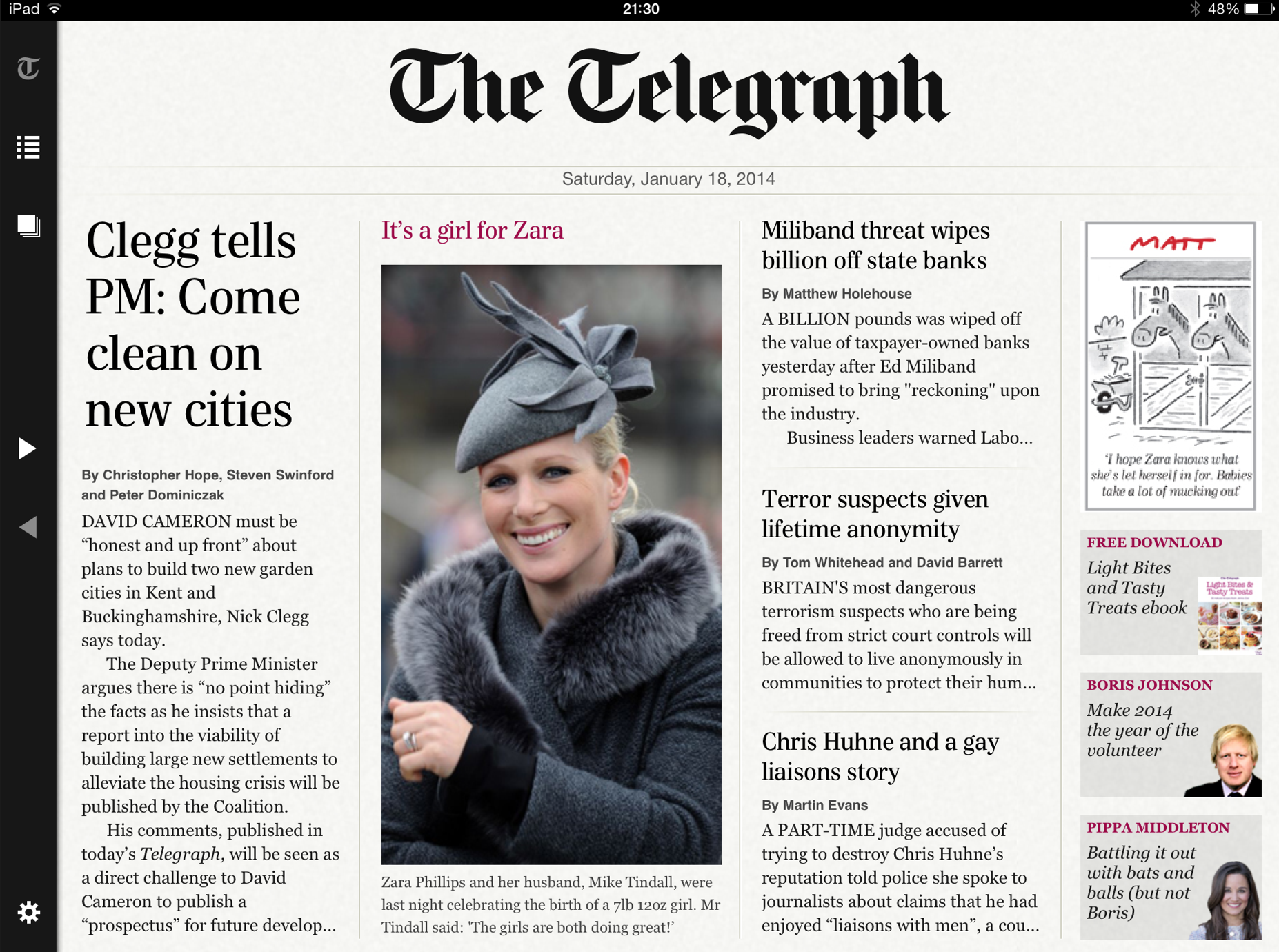
The Telegraph's iPad front page

The Telegraph’s iPad front page

I love my first generation iPad – but its days are numbered

iPad 1

Taking the tablet: iPad arrives, 27 May 2010

I got my iPad on 27 May 2010 – the day before it went on sale in the shops. (I had ordered it in advance.) It was love at first sight, as I explained in a blog post that evening. I went on to rave about how quickly it got me to my chosen websites. For the first time in my life, I was an early adopter.

It’s been a constant companion ever since. I’ve used it to watch movies on flights to California, to blog about major events and to read books. I’ve enjoyed listening to music on Spotify’s iPad app. I’ve read the Guardian and Times iPad editions while on holiday and business abroad.

But it’s showing its age. Apps crash far too often. The Daily Telegraph’s iPad app won’t open if I’ve got any other apps open. The Guardian’s iPad edition’s letters links don’t appear most of the time. In short, it’s time to upgrade.

Some will argue that it’s shocking that a device less than three years old costing over £500 (I bought the 64GB model) no longer works properly. I’m more understanding. The iPad changed everything. It wasn’t the first tablet computer (far from it) but it was the first to make the tablet popular. Later models were more powerful, and apps developed to match their higher specs.

I’ll keep my original iPad – but it’s time to accept that it’s no longer good enough.

How to play BBC iPlayer on Apple TV

I finally bought an Apple TV box last weekend. It’s a lovely piece of kit. But my biggest question was: can I use the BBC iPlayer on it?

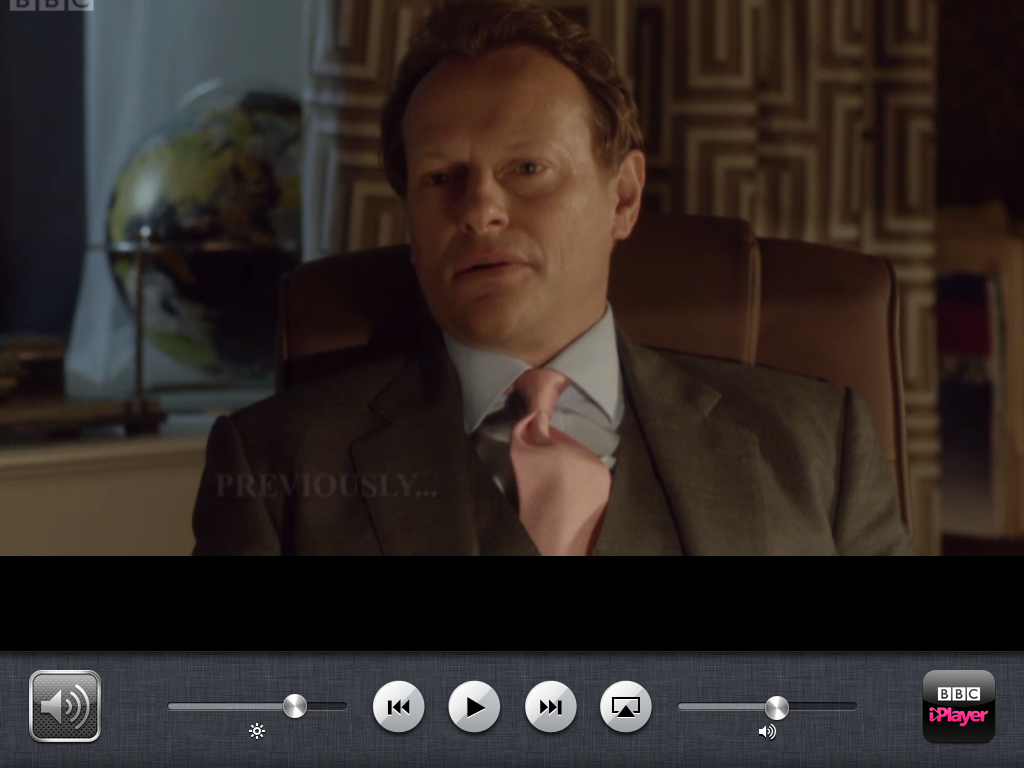
The simple answer is yes, but not straight from the Apple TV box. I played the iPlayer on my first generation iPad, streaming it to Apple TV via AirPlay. It works beautifully – you wouldn’t know it wasn’t a live broadcast. This is what I did:

  • Choose the content you want to play on the BBC iPlayer app on your iPad or iPhone.
  • Double-click the iPad/iPhone home button – the physical square button on the front of the device. This will bring up your open apps. Slide the icons to the right, revealing various video buttons and the AirPlay icon (a square with a triangle underneath) – as seen in photo below. Click the AirPlay icon, and select Apple TV. Click the play button on the iPad or iPhone  – and enjoy the show.

Playing BBC iPlayer on Apple TV: getting started

(NB: remember to set up home sharing on Apple TV and your iPad before you start.)

iCloud and iOS5 calendars and notifications: what a mess

UPDATED: Monday 31 October 2011

At first, I loved Apple's iCloud, as I explained in my blogpost iCloud: getting rid of duplicate calendar entries

I thought I'd solved the one apparent problem: duplicate calendar entries. But then I discovered lots of other frustrating flaws. How could Apple launch a service riddled with so many faults? 

Here are the ones I've noticed:

  • My iPad and iPhone have access to my old Mac iCal calendars. Yet there's no sign of them on the iMac itself.
  • The iCloud calendar only includes entries since 25 September. If I want anything before this I have to tick on calendars 'from my Mac' in the calendars tab (see my blogpost above) to show them. Yet this duplicates all entries since 25 September – and recurring ones before as well.
  • The notifications service duplicates calendar notifications – even when the event appears only once on the device (through having just one calendar visible). 
  • iMessages written on my iPhone don't appear on the iPad.

As I said in the earlier blogpost, I gave up on MobileMe because of the frustration of duplicate entries. It's hugely disappointing that iCloud is even worse. Didn't Apple test the damn thing before launching it? They even had four months between announcement and launch to make sure!

I still like Photostream, though…

In praise of Steve Jobs

Image

Apple marks Steve's passing on its UK website, seen on the iPad, his last great creation

The world today mourned the death of Steve Jobs, the mercurial genius who revolutionised the music, mobile phone and computer industries with products that are a delight to use.

Steve's death was not a total surprise: he resigned as Apple's chief executive in August during his latest period of medical leave. But it was still a shock. Many still expected him to take part in Tuesday's launch of the latest iPhone 4S. Little did we realise his time was almost over.

Steve's story since he returned to Apple 15 years ago is the stuff of legend. Apple was in crisis. Many were writing the company off. But Jobs had a vision. Apple should focus on what it was good at. Only Apple would make Macs – ending the days of getting a cheaper 'cloned' Mac from another company. Great design would win back the fans – and new converts.

In time, Steve's vision reaped unimaginable dividends. The original, colourful iMacs created a stir. The iPod and later the iTunes store transformed the music industry, making Apple the world's biggest music retailer and stealing Sony's position as the master of music on the go. (Walkman RIP.) The iPhone made smartphones mainstream, and put the internet into our pockets. And the iPad proved the tablet computer had a future after ten years of failure by other tech brands, notably Microsoft. 

Steve's greatest strength was his ability to see things from the user's point of view. In an industry renowned for making complicated products that need huge instruction manuals, Apple under Steve took a different approach. My experience is typical. Back in 2008, I tried to find my way round London with a BlackBerry and a Sony Ericsson phone. I couldn't work out how to get a map on either device, and was forced to looked up an A to Z map in a shop. Days later, on my first iPhone, I was just one touch away from my location and destination on the map app. In the same way, the iPad got me to the BBC home page in seconds, compared with five minutes on my Windows laptop, as I explained on this blog: Greased lightning: why I love my iPad

Steve wasn't perfect. (Few people are.) By most accounts, he was very difficult to work for, with his punishing drive for perfection. I'd normally condemn such macho leadership, but I can't dispute the extraordinarily postive legacy Steve has left. And Leander Kahney, in his book Inside Steve's Brain, disputes the legend of Apple staff being 'Steved'. He quotes Jobs' former personal assistant Jim Oliver who says his old boss's outbursts were exaggerated by critics.

Critics say that Apple under Steve simply took advantage of other companies' innovations. They argue that Apple didn't invent the MP3 player, the smartphone or the tablet. True, but this misses the point. Jobs saw how all these things could be so much better – better to look at, to touch and to use. Anyone who endured a pocket PC powered by Windows Mobile circa 2001 or 2006 couldn't fail to see the Steve effect when they used the Apple equivalent in the iPhone and the iPad. Not everything Apple did under Steve was as good: I tried Mobile Me three times, and found it an abomination each time. (As Steve acknowledged when announcing iCloud in June.) But I'll forgive it one big #fail…

The other main accusation is that Apple is a 'walled garden' – with the accusers comparing the company's restrictive approach with the open approach of Google's Android mobile operating system. The accusation is accurate, but misses the point. Apple products generally 'just work'. Apple designs the hardware and operating system and approves the apps. Most users don't care that they can't tweek everything. It reminds me of a clash between the car and tech worlds circa 1998. A PC company was contrasting the revolutionary progress of the tech world compared with the car industry's snail-paced developments. An auto executive pointed out that if his industry was like the PC market, customers would be forced to reinstall the engine after popping a CD in the stereo. In short, most people want things to 'just work'. And that's Steve Job's greatest legacy: things just work. And are a joy to use.  

Rest in peace Steve. And thanks for everything.


Tony Blair, A Journey, SEO – and me

My blogpost, Tony Blair: A Journey for the showman prime minister, on Wednesday night about Blair's autobiography, A Journey, has proved a hit on Google. if you Google 'a journey tony blair ipad', my post comes first out of a staggering 211 million search results, beating huge media organisations. And it ranks highly on searches about Blair's book on iBooks and Kindle. (I'm on page two of results for a straight search for 'Tony Blair A Journey.) 

I only discovered this when I looked at what had brought a flood of visitors to the Ertblog post. 

My blog is purely for fun, so I've never set out to optimise it for search engine results. But every now and again it scores very highly on Google. My post on why I love my iPad scored third out of 47 million under the search term 'I love my iPad'. And my 25th anniversary account of the Falklands war in 2007 did very well. 

This latest, unexpected success prompted me to think seriously about the dark arts of search engine optimisation, or SEO. What prompted Google to rank my post so highly against the torrent of other articles and blogposts about Blair's book? What gave me the edge over all-powerful media groups? 

I am no expert on SEO, but I suspect the reason is that I wrote about a specific aspect of the publication of A Journey: its absence from Apple's iBooks store, which has puzzled many iPad owners. They've Googled the subject – and hit upon my blog.  (Surprisingly, I'm still as high as the second page of results for a straight search for 'Tony Blair A Journey.) The title of my post was also highly descriptive (including Tony Blair and the name of his book), while I also included a number of hyperlinks, which may have helped. 

As a PR professional, I need to know more about SEO, and this experience has prompted me to learn. In the meantime, I'd welcome any comments from SEO experts about what I did right – and wrong!

Tony Blair, A Journey, SEO – and me

My blogpost, Tony Blair: A Journey for the showman prime minister, on Wednesday night about Tony Blair's autobiography, A journey, has proved a hit on Google. if you Google 'a journey tony blair ipad', my post comes first out of a staggering 211 million search results, beating huge media organisations. And it ranks highly on searches about Blair's book on iBooks and Kindle. (I'm on page two of results for a straight search for 'Tony Blair A Journey.) 

I only discovered this when I looked at what had brought a flood of visitors to the Ertblog post. 

My blog is purely for fun, so I've never set out to optimise it for search engine results. But every now and again it scores very highly on Google. My post on why I love my iPad scored third out of 47 million under the search term 'I love my iPad'. And my 25th anniversary account of the Falklands war in 2007 did almost as well. 

This latest, unexpected success prompted me to think seriously about the dark arts of search engine optimisation, or SEO. What prompted Google to rank my post so highly against the torrent of other articles and blogposts about Blair's book? What gave me the edge over all-powerful media groups? 

I am no expert on SEO, but I suspect the reason is that I wrote about a specific aspect of the publication of A Journey: its absence from Apple's iBooks store, which has puzzled many iPad owners. They've Googled the subject – and hit upon my blog.  (Surprisingly, I'm still as high as the second page of results for a straight search for 'Tony Blair A Journey.) The title of my post was also highly descriptive (including Tony Blair and the name of his book), while I also included a number of hyperlinks, which may have helped. 

As a PR professional, I need to know more about SEO, and this experience has prompted me to learn. In the meantime, I'd welcome any comments from SEO experts about what I did right – and wrong!