A mighty transatlantic battle is in prospect over how to regulate artificial intelligence (AI). Donald Trump’s second administration seems sure to opt for the lightest of light touches, influenced by tech tycoon Elon Musk. (If Musk can tear himself away from his bizarre obsession with Britain.) The European Union has already legislated for a far more restrictive approach, with Britain likely to follow a middle way. The sensible aim must be to unleash the creative, social and economic benefits of AI while minimising the harm it may cause if abused or badly handled.
As debate raged about AI regulation, it struck me that many of the arguments deployed for and against AI and tech regulation also played a huge role in shaping the response to the railway revolution in the 19th century.
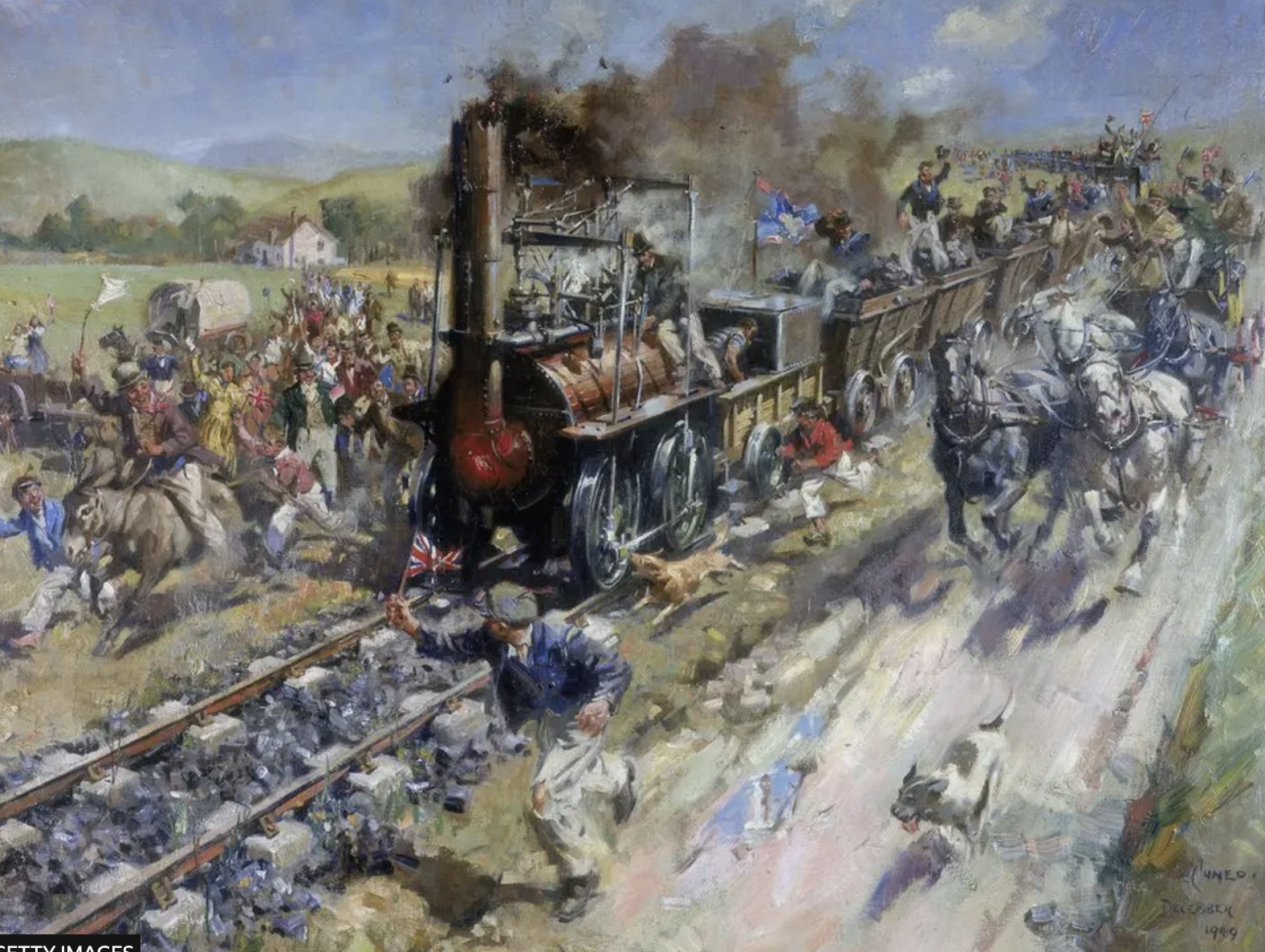
The opening of the Stockton & Darlington in 1825. Painting by Terence Cuneo; NRM/Science & Society Picture Library
The railway age properly began in September 1825 with the opening of the world’s first public railway to use steam locomotives, the Stockton & Darlington Railway in County Durham in the north of England. After the success of the first intercity railway between Liverpool and Manchester, opened in 1830, Britain enjoyed a railway boom, as pioneers planned lines linking major cities – and serving industry, the original purpose of the iron road. By the early 1840s, railway mania had taken over, in a prelude to the dot.com boom at the turn of the 21st century. In 1844, 240 private bills were presented to the British parliament to authorise 2,820 miles of railway. Had all these been built, the £100 million of capital needed represented over one and a half times Britain’s gross domestic product (GDP) for that year. Parliament still approved half these railways.
Anything goes? The heyday of the laissez-fair state
Britain in the 1840s was a firmly non-interventionist state. The dominant philosophy was laissez-faire: small government, low taxes and the free market. Most acts of parliament were private acts to authorise new railways rather than government initiatives. Anyone able to raise money could form a railway company and apply to parliament for permission to build their pet route. The sheer volume of railway business threatened to overwhelm the Westminster legislature. But an attempt to create order by setting up a railway advisory board to vet proposed plans before they reached parliament was short lived, killed by the powerful railway lobby. (And conflicts of interest: 157 out of 658 MPs had financial interests in the railways.) This was Britain’s last chance to create a strategic rail network, deploying investors’ money more efficiently. The failure led to many investors losing most if not all their money on rail schemes that had no hope of success, again pre-empting the dot.com bubble of 1999-2000.
If you’ve arrived at London’s Kings Cross station in the rush hour only to endure a packed tube train to reach the heart of London, you may wonder why the station wasn’t built nearer your destination. Kings Cross isn’t alone; Marylebone, Euston and St Pancras are similarly stranded north of the Marylebone and Euston roads, which were created as the New Road in the 18th century.
Jonn Elledge entertainingly explains on his Substack (The Newsletter of (Not Quite) Everything) how the New Road was built as a by-pass for cows. Jonn adds his explanation for the inconvenient siting of these great termini:
[Railway] Companies serving destinations to the east and south of London drove their new lines right into the urban area, with scant regard for the poor residents they dispossessed; those coming from the west and north, by contrast, tended to respect the capital’s existing geography. That is why, to this day, Kings Cross (1852), St Pancras (1868) and Euston (1837) stations line up along the road, with Marylebone (1907) [actually 1899] a mile or two distant: they were effectively plugging into the existing transport network, made up of a massive road with canal access.
This is only part of the story. Today’s travellers are inconvenienced as a result of a Royal Commission set up by prime minister Sir Robert Peel in 1846:
Amazingly, the Royal Commission on metropolitan railway termini reported just three months later. It recommended that railway lines entering London should not be allowed to enter the West End. The commissioners accepted that more central stations would lead to the destruction of countless homes and other buildings. In 1846, the New Road was on the very edge of London, which is why the Royal Commission took it as the furthest a railway line from the west or north should pass into London.
The wonderful finale of the BBC’s hit comedy Gavin & Stacey on Christmas Day brought further fame to Barry in South Wales. It’s a place that has a place in my heart thanks to family seaside memories and visits to its long-gone scrapyard for old steam locomotives.
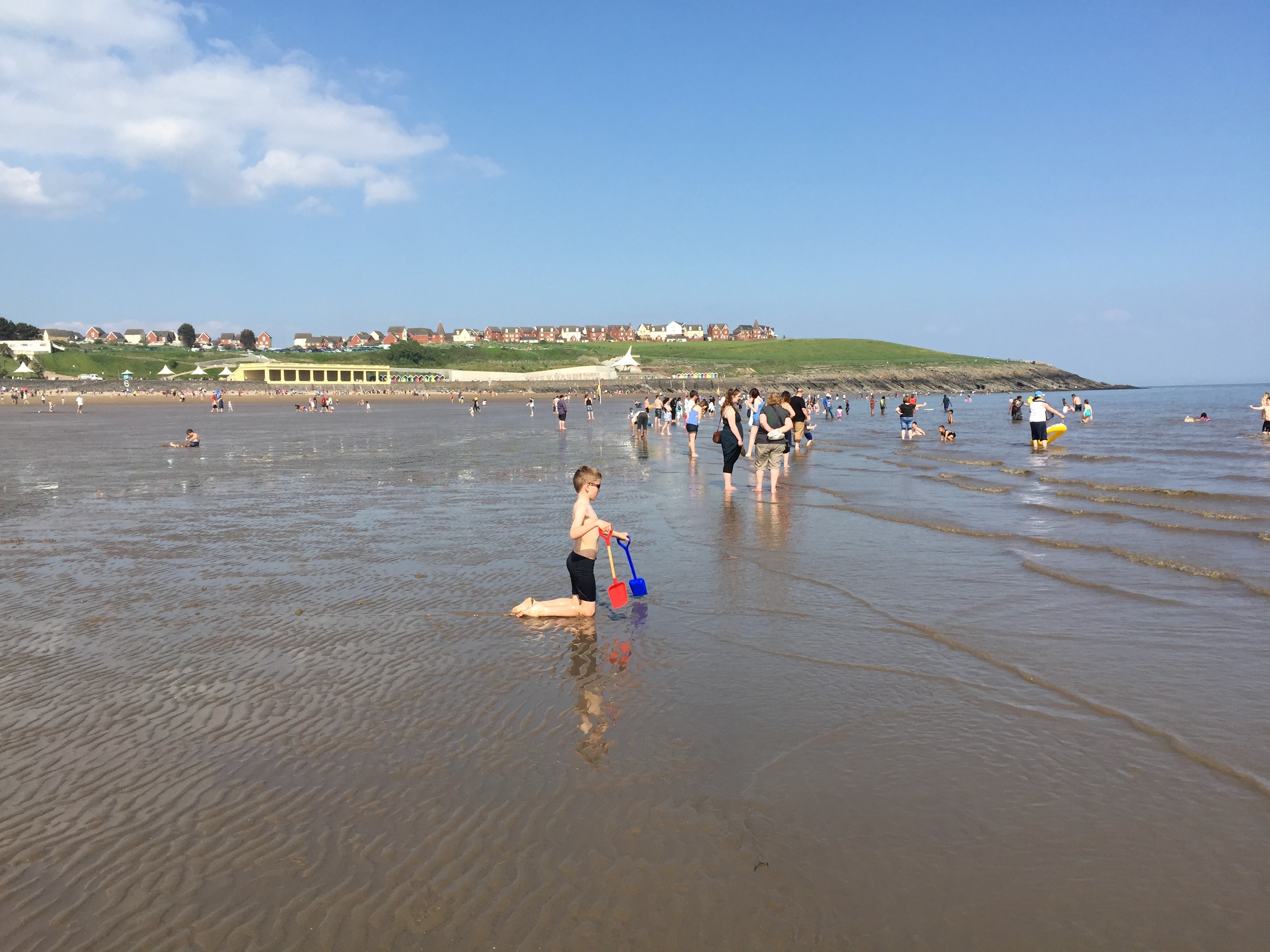
Barry Island, Sunday 5 January 2025
Last weekend, I took my son Owen for a short break in my hometown, Cardiff. As the rest of the country shivered under blizzards or sheltered from the icy rain, we made the short trip to Barry Island, and were rewarding with a few minutes of glorious winter sunshine. When I was at school, I regularly took the train from Heath High Level in Cardiff to Barry Island, and our Sunday visit brought so many memories flooding back.
Barry is a town that saw explosive growth during the later stages of the industrial revolution. Barely a hundred people lived there in the middle of the 19th century, but the entrepreneur David Davies of Llandinam saw its potential as a port. Davies was known as Davies the Ocean after the coal mining company that made his fortune. Like many Welsh coal tycoons, he was frustrated by the delays and cost involved in exporting their black gold from Cardiff, and vowed to create a rival port less than nine miles away at Barry. As he exclaimed, “We have five million tons of coal and can fill a thundering good dock the first day we open it!”
This was the forbidding opening title scene in the BBC’s iconic 1970s television drama, Colditz, with the outline of Colditz Castle – the notorious second world war prisoner of war (PoW) camp, Offlag IV-C.
Back in the seventies, Colditz was amazingly prominent in British minds, 30 years after the war. The television series ran for two years, based in part on the bestselling books by Pat Reid, one of the first British prisoners to make a ‘home run’ to Britain. (As Nazi Germany controlled most of Europe, getting out of Colditz was just the start of a successful escape.) It was the most successful television drama the BBC had ever made, watched by a third of the viewing public. Most of the prisoners behind the walls of Colditz Castle had already escaped from other German prisoner of war camps, and so were an elite band of escapologists.
I’d barely given Colditz a thought for decades, but that all changed when I read Ben Macintyre’s 2022 book, Colditz, Prisoners of the Castle. Macintyre is a wonderful storyteller, with a knack of uncovering a multitude of spellbinding anecdotes and tales about even familiar topics. My childhood Colditz memories were replaying in my mind as I read his account of the wartime fortress prison.
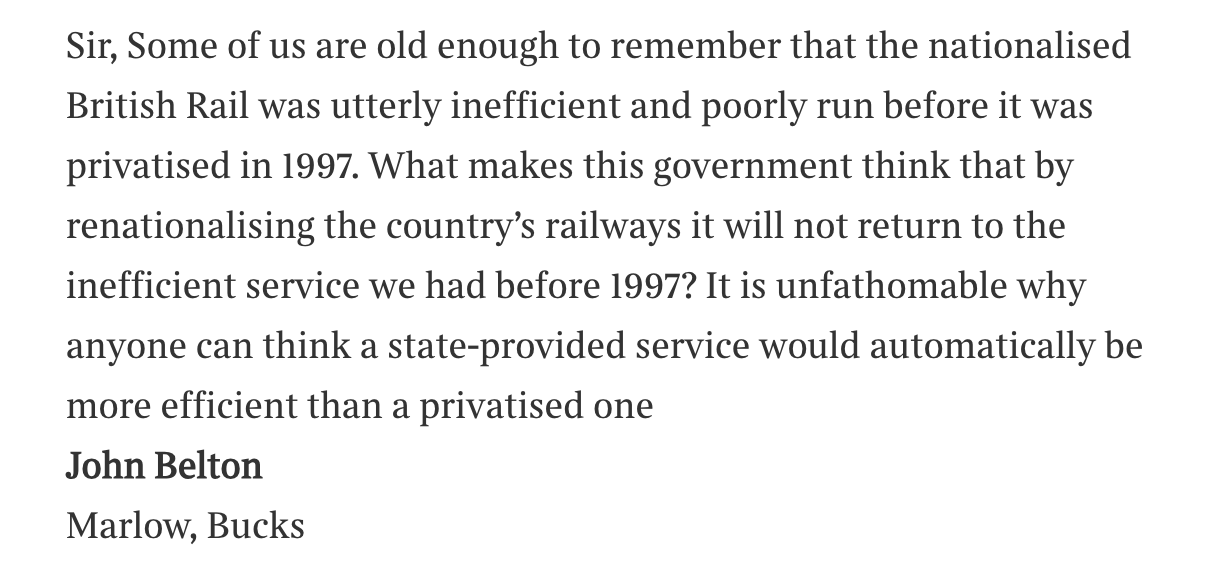
I sighed when I read this letter in The Times. Mr Belton is clearly good at a pithy rant. But his verdict against British Rail is wearily familiar and unbalanced. At least he didn’t mention the sandwiches, unlike a follow up correspondent who wrote a fair defence of the old nationalised rail network, yet fell for the sandwich myth:
Rail historian and commentator Christian Wolmar disposed of the sandwich cliche in his excellent 2022 history, British Rail. As he points out, the company pioneered shrink-wrapped sandwiches, and restauranteur Prue Leith served as a British Railways Board director. Yet long before social media flooded the world with misinformation, the myth of the curling, stale British Rail sandwich went viral, and has outlived the state owned network by three decades. The former Tory transport secretary Grant Shapps predictably promised that his (unrealised) restructuring of the rail industry wouldn’t mean ‘going back to the days of British Rail and its terrible sandwiches’.
British Rail’s track record (pun intended) was better than that of the Johnson, Truss and Sunak governments Grant Shapps served in. Especially in its last decade, when BR was rated as showing the highest level of productivity of almost all of Europe’s railways. (Oxford Companion to British Railway History, 1997.) On average, it shed 10,000 staff a year over its 50 year life, yet created a generation of outstanding leaders, such as Chris Green, John Prideaux and Robert Reid, several of whom served BR’s privatised successors.
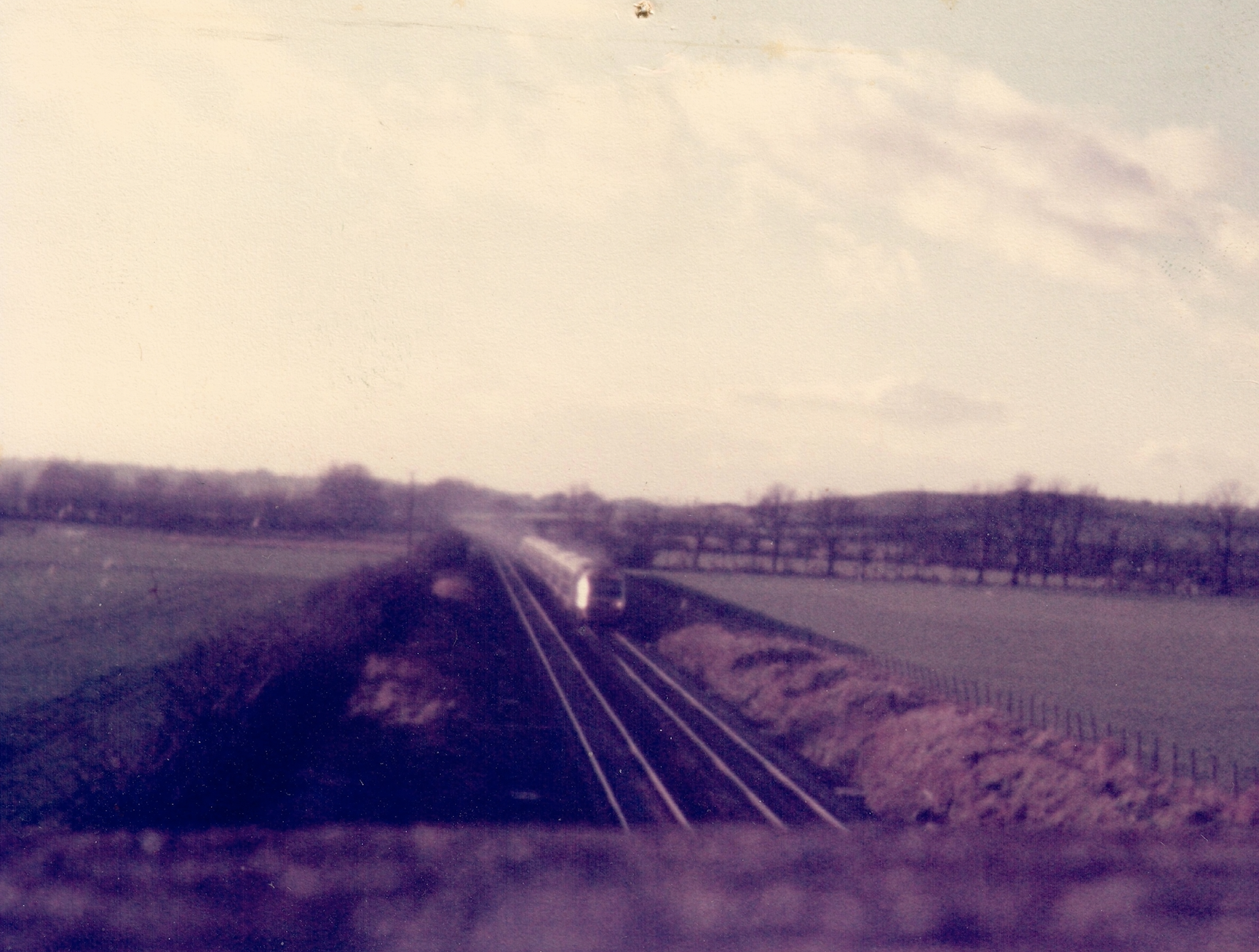
Sunday evening HST near Wootton Bassett, Wilts, 1979
I had first hand experience of BR as a teenager and adult, especially after moving to London in 1987. For several years, I took advantage of BR’s ‘weekend first’ offer to upgrade to first class for just £5, which made the Sunday return from Cardiff to Paddington a tranquil experience. Those journeys were in the classic InterCity 125 high speed train, one of BR’s greatest achievements, as I blogged here. (I was less impressed by the products of BR’s in-station burger chain, Casey Jones, which surpassed McDonald’s for greasy food that was an unwise choice after a few pints.) From the 1960s onwards, BR marketing was outstanding, selling the benefits of train travel and new services with wit. (Although its use of Jimmy Savile was a mistake in hindsight.) And like many families, we took advantage of BR’s Persil two for one ticket promotion in the late 1970s – the only way I was ever going to travel first as a teenager, as Dad could match his work ticket with one for me.
Yet I’m no apologist for what BR got wrong. In the early 1990s, commuting into Waterloo from Teddington was an often painful experience. I’d often wait for ages after my train was due wondering whether it would ever turn up. One morning, we got a mainline train in place of our commuter one, and I piled happily into the first class compartment, knowing that the guard couldn’t charge extra as there were no first class fares on the Teddington routes. Others showed typical British hesitation, and stood for 40 minutes in standard class.
A decade later, I was commuting on the privatised Chiltern Railways into Marylebone. It was usually very reliable, but that dependability reflected British Rail’s transformation of every aspect of the line just before privatisation: new track, signalling and trains.
Privatisation may have brought back famous railway names such as the GWR and Southern Railway, but the complexity of the privatised railway has proved an expensive and inefficient mess, as Christian Wolmar predicted at the time. Unlike in the days before 1948, the post-BR world is policed by a far bigger forest of regulation and legal agreements than the 1923-47 big four railways contended with. (Although I should note that between the wars those companies lobbied for fairer regulation to help them compete against growing road competition.)
For all my rail enthusiast nostalgia for the GWR, I am pleased that Labour is returning the railways to public ownership. Let’s hope that it will also rebalance investment away from London and the South East – and stop cheating Wales of investment as a result of the Tory decision to define HS2 as an England and Wales (not just England) project. I’m not holding my breath.
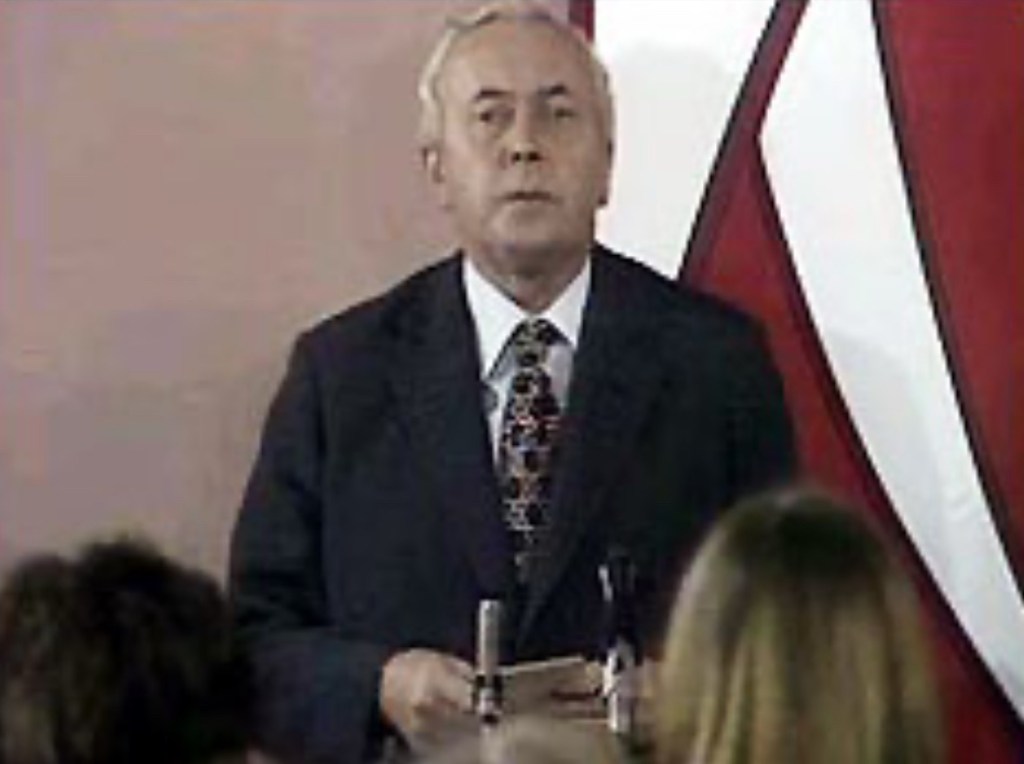
Fifty years ago today, I broke the light in the loft of our Cardiff home. I only know the date this happened because a far more historic event happened the same day. Britain held a second general election in eight months – only the second time two general elections had taken place in a calendar year. (The other time was 1910, when the Liberal government was locked in a titanic battle with the unelected House of Lords to pass the People’s Budget, which introduced Britain’s first state pension.)
Harold Wilson had very narrowly won the first 1974 election in February, picking up fewer votes but a handful more seats than the Conservative government, led by Ted Heath. The Tory PM had gone to the country in the midst of a bitter battle with the striking coal miners. He framed the vote as ‘Who governs Britain?’ The electorate (at least by the rules of the UK’s first past the post voting system) answered: ‘Not you!’
It was clear that, hampered by the first hung parliament since the war, Wilson would soon call another election to try to win a working majority. In the event, he gained a margin of a pitifully thin three seats. There followed a chaotic, exhausting yet enthralling period in British politics. Wilson himself surprised almost everyone by stepping down aged 60 in 1976, leaving Jim Callaghan to cope with the loss of that wafer-thin majority in 1977. He negotiated the Lib-Lab pact with the Liberal party and the government survived until losing a confidence vote in March 1979. The election that followed brought Margaret Thatcher to power as Britain’s first woman prime minister.
I met Callaghan six years later, when Dad and I visited him in his House of Commons office on a mission to secure a work permit for a musician from Hong Kong who was appearing in a concert in Cardiff. I’d just graduated from university, and Sunny Jim asked me what I wanted to do for a living. When I replied that I’d like to work in PR or journalism, Callaghan turned to my father and commented, ‘They all want to do that know, don’t they!” I tell the story of that meeting in more detail here.
One of my weekly pleasures is reading Jonn Elledge’s latest Newsletter of (Not Quite) Everything. It’s a mix of political commentary, transport and geographical trivia. In short, it could have been made for me.
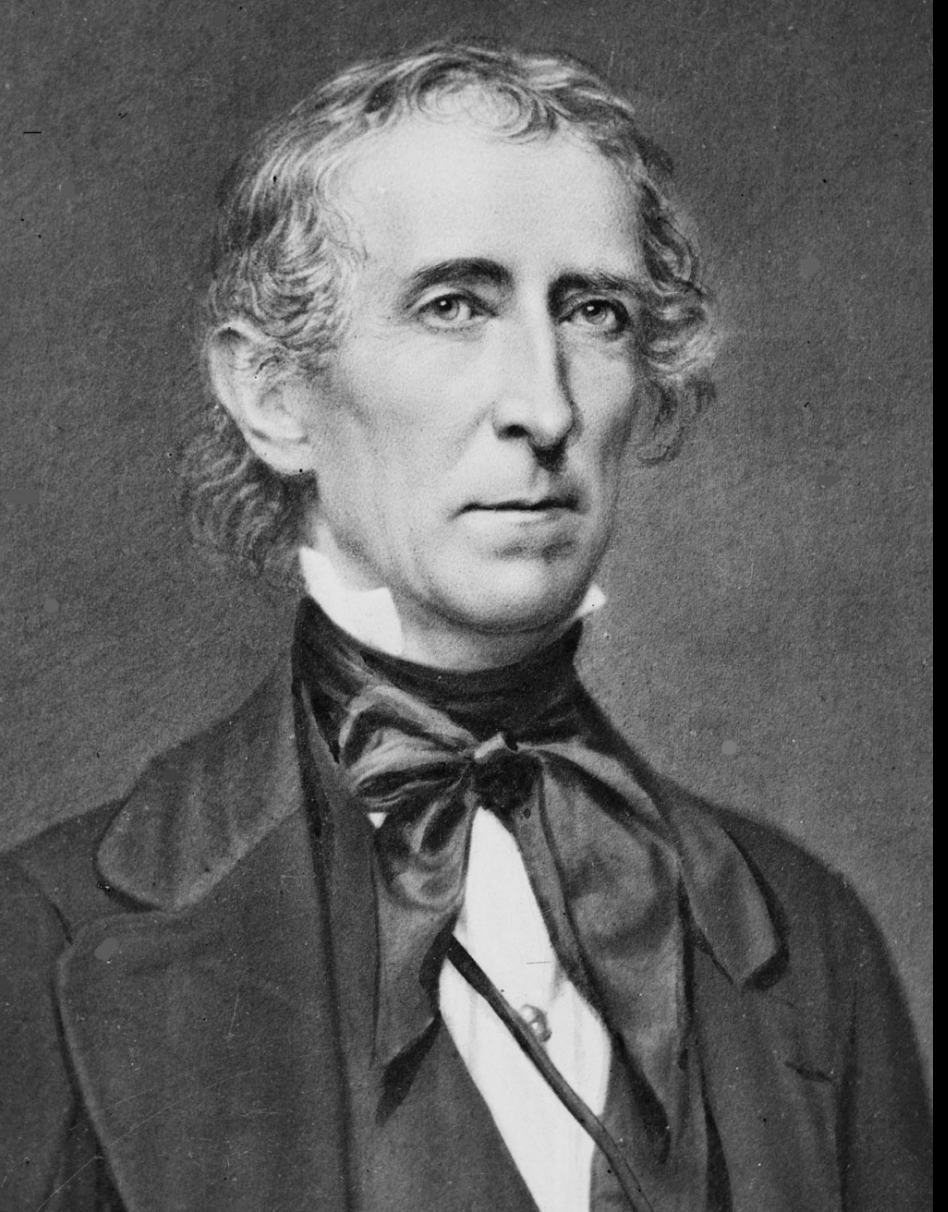
A recent edition contained just the kind of revelation that I love, and on the off chance that any of my readers don’t follow Jonn’s Substack I thought I’d reshare it. John Tyler, president of the United States from 1841 to 1845, has a grandchild still alive in 2024. (As of this January.)
This is Jonn’s version of the story:
In 1844, following the death of first wife, Tyler secretly married a woman 30 years his junior, the 24 year old Julia Gardiner. They had seven children, one of whom, Lyon Gardiner Tyler, would follow in his dad’s footsteps by marrying a second wife, Sue Ruffin, nearly 35 years his junior. One of their sons, Lyon Gardiner Tyler Jr, survived until 2020, when he died aged 95. Another, Harrison Ruffin Tyler, born in 1928, was reported to be still going as recently as January. So yes, it is entirely possible to be alive in the 21st century, and have a grandfather born in the 18th. Cool.
I found this amazing.
I’ve always cherished memories of my Victorian grandmother, born on Lenin’s 21st birthday in 1891, but this is in a different league. Not long ago, I tried to establish whether there had been anyone born before Nan was born in April 1891 who was still alive when my son Owen was born in 2008. Such a person would have been over 117 in 2008 for this to have happened. People have lived longer than that, but my Googling academic research suggests that their lifespan didn’t match the 1891-2008 period. The closest match was Emiliano Mercado del Toro, who lived from August 1891 to January 2007. (No man has lived beyond 116 years; the oldest woman, Jeane Calment, reached 122.)
I’m looking forward to Jonn’s latest gems in this week’s newsletter! It’s well worth subscribing.
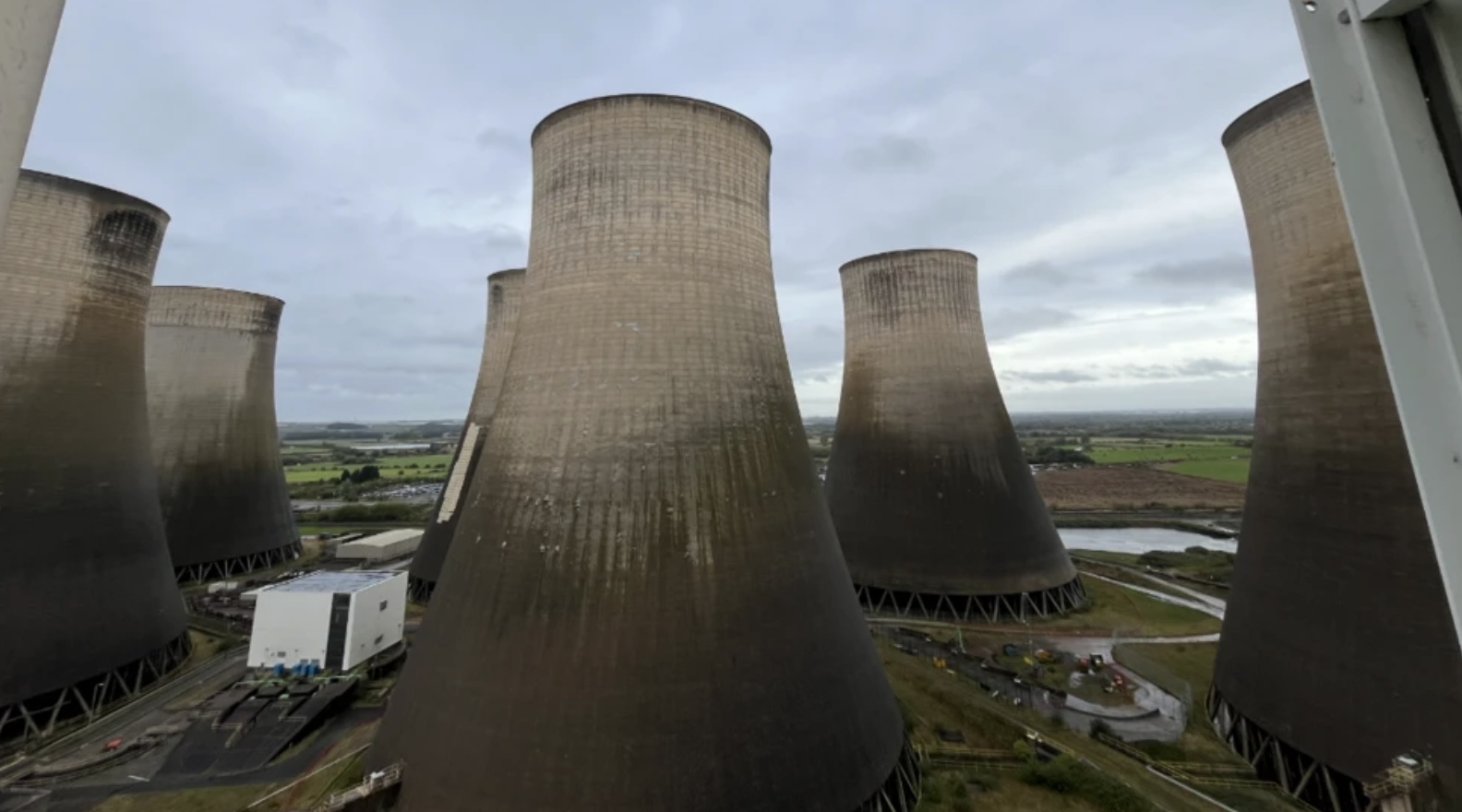
The cooling towers at Ratcliffe on Soar power station. Photo: BBC
The coal age in Britain is over. The country’s last coal-powered power station closed yesterday, marking the end of 140 years of generating power from coal.
I have fond memories of that power station, Ratcliffe on Soar. On a canal holiday in 1988, we moored in the shadow of its eight cooling towers, toasting its mighty presence with a bottle of gin. It dominated the East Midlands landscape.
‘Salt and pepper’: Roath Power station, Cardiff
Over 50 years ago, my late father Bob Skinner played his part in the destruction of the cooling towers at the old Roath Power station in Cardiff. Dad told me that he pressed the button that blew up one of the two towers, nicknamed ‘salt and pepper’. Full of pride, I told my school friends about Dad’s starring role in the event that featured on the Welsh news the night before. “No he didn’t – the [lord] mayor did!’ my friend replied. Over half a century on, I will never know the truth.
Didcot Power station – the cathedral of the Vale
DPSDPS from a Cardiff train, 2013
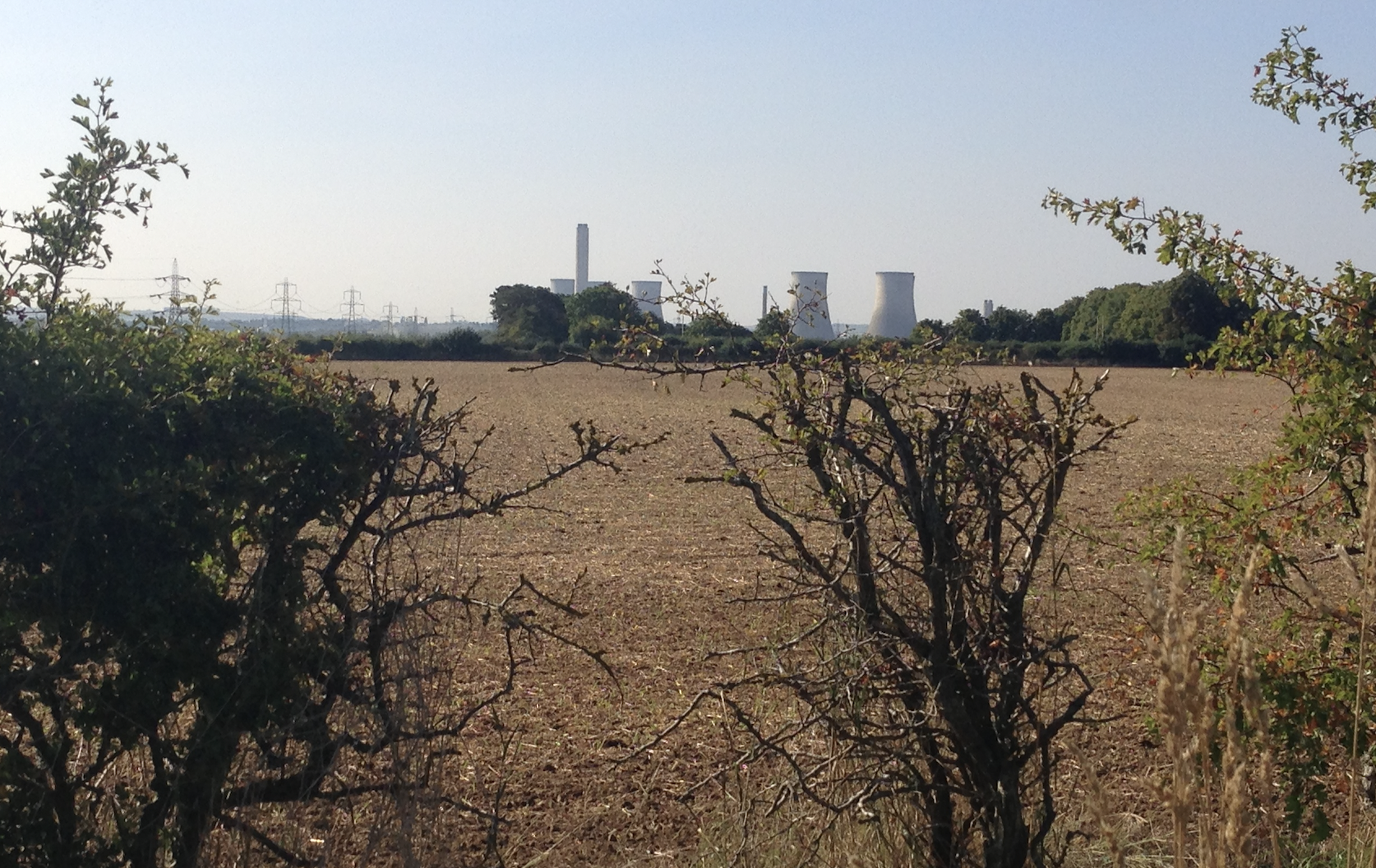
I was most familiar with Didcot power station in Oxfordshire. It was known as the cathedral of the Vale of the White Horse (though we called it DPS), as it could be seen for miles around, and was a milestone on rail journeys between London and Wales. The most striking views were from 18 miles away on the M40 motorway as it climbed the escarpment at Stokenchurch.
We mourned the loss of that iconic view after Didcot’s last three cooling towers were demolished in 2019. I hope calls to save at least one of the Ratcliffe on Soar towers are successful, so we can save part of this monument to the part coal played in powering Britain.
I’ve been dreaming of cycling across mysterious Romney Marsh to historic Rye for years. The inspiration was Jack Thurston’s first Lost Lanes book of bike tours, along with childhood memories of Malcolm Saville’s adventure stories for children based there. (More on that later.)
I finally followed Jack’s tour in September, and have made a documentary video about it. Unusually for my videos, this focuses less on cycling and more on the fascinating history of this corner of England. This blogpost tells the story of my ride, along with a longer version of the stories from the past featured in the video.
Here’s the video on YouTube. (Do please like and subscribe!)
Britain’s most spectacular railway station
My journey began at St Pancras station in London, Britain’s most spectacular railway station. When the Midland Railway decided it needed its own London terminus, it chose the most opulent neo-Gothic style for the station building, along with a stunning roof that spanned all the platforms. It overshadowed its neighbour, Kings Cross station, although the simpler lines of the older station have arguably stood the test of time better.
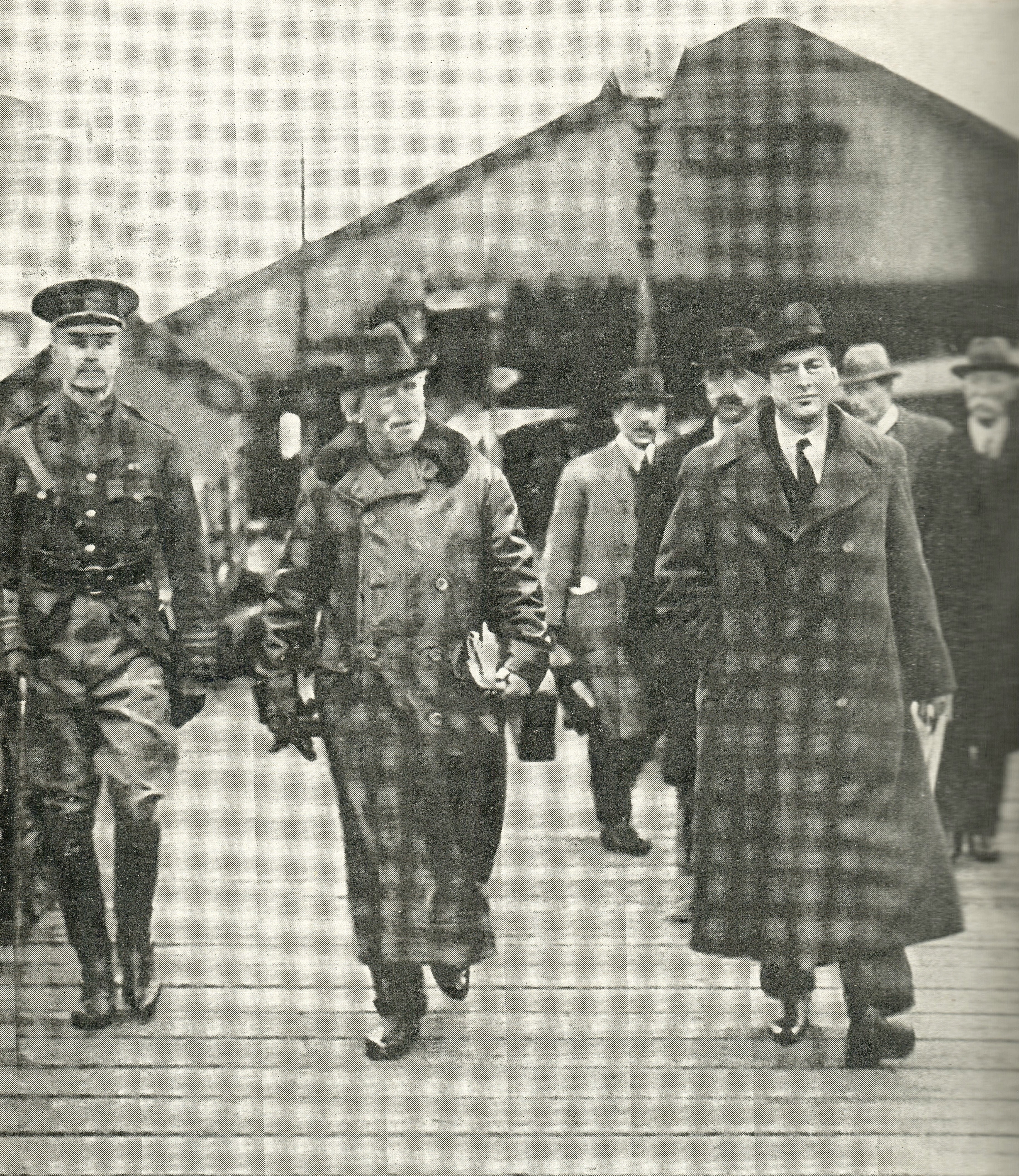
It’s unbelievable. Britain’s wartime cabinet was meeting in 1915 to plan the Dardanelles campaign that was destined to cost the lives of 41,000 Allied troops. Yet the prime minister, Herbert Asquith, wasn’t interested. Instead, he was reading a letter from his lover, Venetia Stanley, delivered to the Cabinet Room in 10 Downing Street during the meeting. As Winston Churchill, David Lloyd George and Lord Kitchener debated the details, Asquith was penning a reply to Venetia, after checking his diary to see when he could slip away to meet her.
Here is a classic example later that year:
My own darling – I am writing in the stress & tumult of a windy & wordy controversy about munitions … between Ll. G [Lloyd George], Winston [Churchill] and A.J.B [Tory leader Arthur Balfour] – and I daren’t abstract myself more. Asquith to Venetia, during a War Council meeting 1915
Robert Harris has turned the Asquith-Stanley scandal into a brilliant novel. The prime minister’s letters to Venetia have survived but he destroyed all her letters after she ended the relationship, and he had been ousted as PM by Lloyd George in 1916. Some have doubted whether the relationship was sexual, but Harris is sure that it was, and the surviving letters tend to support this – though we will never know for sure.
Asquith was obsessed with Venetia, who was 35 years younger than the 61 year old premier. He ran appalling risks by sending her top secret government documents through the post, including messages about a planned troop evacuation from Antwerp and much more. When the two were enjoying secret rides in his prime ministerial Napier limousine, Asquith would reveal the latest intelligence decrypts to her, before throwing them out of the car window. One of the few fictional characters in Robert Harris’s novel is police detective Paul Deemer, who surreptitiously intercepts the lovers’ letters, to copy them before returning them to the postal sorting office. He also wangles a job as a gardener at the Stanleys’ north Wales mansion, Penrhos, and creeps into her bedroom to open the case in which she kept Asquith’s letters. She saved them for posterity and Robert Harris.
Harris brilliantly chronicles how Venetia turns from an equal partner in the affair to being uncomfortable and indeed oppressed by her lover’s spiral into near madness. She finally agrees to marry Asquith’s close friend and cabinet minister Edwin Montagu, despite not finding him attractive. It was a marriage of convenience that ended when he died just nine years later, during which she had a string of affairs.
You’ve got mail
Precipice sheds light on the remarkable postal service London enjoyed even at the height of the Great War. The General Post Office (GPO) collected and delivered mail 12 times a day in the city, and three times in the country. Venetia noticed with some suspicion that her post seems to be delayed – probably by just a few hours – after detective Deemer starts intercepting it. Today, no one would even notice.
There are a few false notes. When Harris recounts Asquith’s response to her suggestion that the disastrous Dardanelles campaign should be abandoned before any more lives are lost, he has him responding, ‘No, I fear there’s no alternative except to double down’, using an expression first noted in 1949 – and by very few in Britain until the 21st century. At least Harris didn’t have Asquith pleading with her to ‘reach out’…
It was a pleasure to listen to Robert Harris talking about the novel at a Chiltern Bookshops event in the highly appropriate setting of Chorleywood’s Memorial Hall, opened in 1922 to honour those who gave their lives in the Great War. He amusingly explained how Asquith’s great-grandson told guests at the novel’s launch party that it was totally ridiculous, especially the idea that his great-grandfather had anything other than a platonic friendship with Venetia. ‘How on earth would he know, 110 years later?’ Harris asked. He added, ‘Asquith was notorious for his wandering hands and it is well known that Venetia had married lovers after her marriage. That’s the nature of the two people.’
Robert Harris’s achievement is to make us care about the two main characters, even though their behaviour is hardly commendable, especially during a war in which thousands are dying every week. Asquith and Venetia were very much characters of their time, although Harris got a laugh at Chorleywood by making a reference to Boris Johnson’s scandalous actions as PM a century later. Stanley herself was part of a fabulously rich family with mansions in Wales and Cheshire, along with a grand house in London. Yet Harris gives a fair impression how unfulfilling her life was, despite the decadence and splendour. Harris noted at Chorleywood how the family’s Welsh and Cheshire palaces lay in ruins just a few short decades later, while Venetia herself died aged just 60.
Asquith’s legacy
We shouldn’t judge Asquith just on his sordid pursuit of Venetia Stanley. He was the leader of Britain’s last Liberal government, before being forced to turn his wartime ministry into a coalition. Above all, he presided over an extraordinary peacetime revolution, which included the first state pension and the titanic battle to curb the powers of the unelected House of Lords, which included two elections in a single year, 1910, and the threat to demand that the king created enough new peers (lords) to force the upper house to back down. Until war came and he became obsessed with Venetia Stanley, he cleverly harnessed the supremely talented Lloyd George and Churchill. It helped shape modern Britain.
When the Great War was news, not history
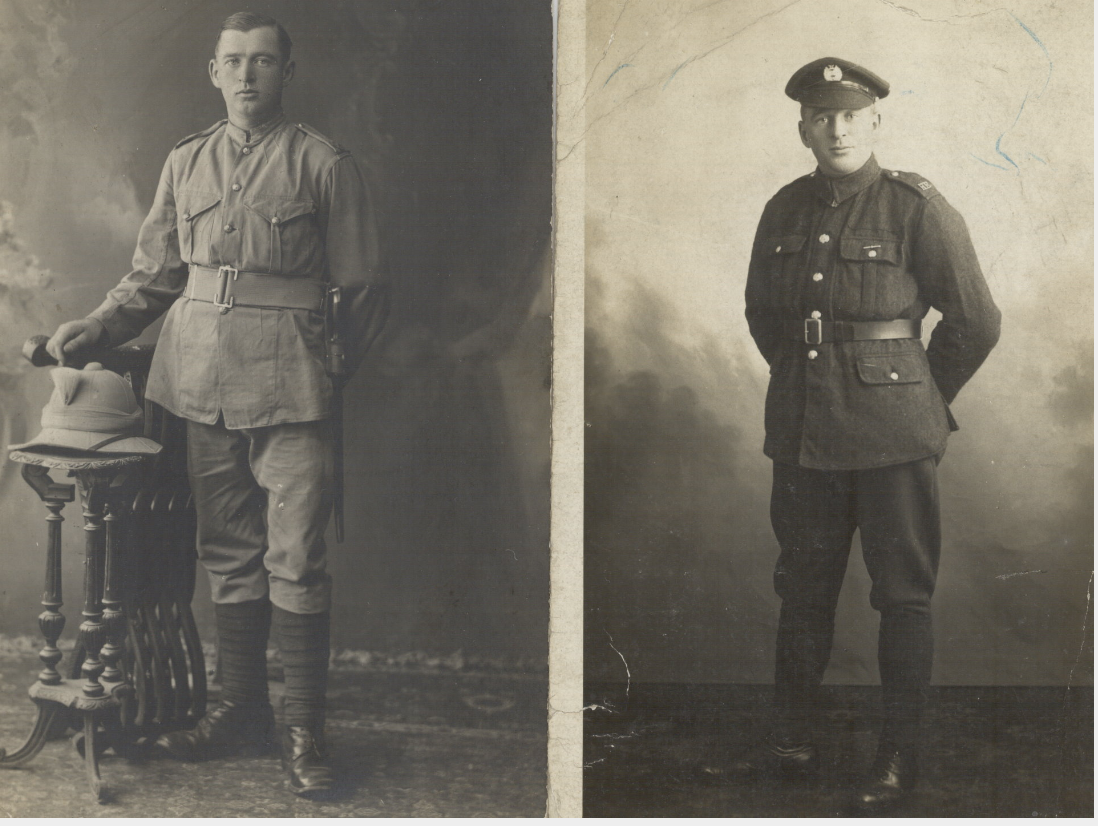
Photos like these feature in countless family photo albums across these islands. They feature my grandfather Frank and his twin brother. Frank was one of the men sent to fight in the Dardanelles campaign that Asquith should have been discussing when he was distracted by his passion for Venetia Stanley. His terrible ordeal led him to forbid my late father from joining his school’s cadet force on the eve of the second world war in 1939. Tragically, his brother – my great-uncle – died in the Spanish flu pandemic after surviving the trenches. Frank died too young at 52 of a heart attack in 1942, as my own 94 year old father remembered so poignantly on his own blog on the 78th anniversary of that sad day in 2020.
The commendable Venetia
Venetia should not be defined by her relationship with Asquith or Montagu. She was determined to play her part in the war effort, and enlisted as a nurse, in conditions so different from her affluent and cosseted family lifestyle. She sailed to France the day Asquith was forced to form a wartime coalition.
One last thought. Almost 80 years after she died, Venetia is the silent witness in this extraordinary story. She’s not here to give her side of the story, a silence that applies to countless women down the centuries who have been unfairly defined and characterised by their relationships with powerful men. We should remember this before casting any judgement about what she did over a century ago as Europe went to war.












 Ertblog