A historic election and the humble act of voting

Vote early, vote often, as BBC Radio 4’s Weekly Ending satirical show said of the first Zimbabwean election in 1980. I followed that mantra today, voting in the historic 2024 general election before 8am. I then placed two further votes – but it was all legal, as they were proxy ones for two British friends who live in Switzerland. We took our lovely dog with us: #DogsatPollingStations.

I always feel humble when I go to vote. I’m conscious of the long fight for democracy in Britain and around the world. My grandmothers would have been in their thirties when they got the right to vote in the 1920s. (I don’t know if they satisfied the property qualification that was applied when women of 30 and above got the vote in 1918; if so, they’d both have voted in the 1923 general election that led to Britain’s first Labour government.)

Chesham & Amersham: the start of a democratic revolution

Living in Buckinghamshire, unless you are a Conservative you rarely vote for a winning candidate. Our constituency of Chesham & Amersham was a true blue seat, with Ian Gilmour representing the area for 18 years, followed by Cheryl Gillan until her death in 2021. Sarah Green sensationally took the seat for the Liberal Democrats in the resulting by-election. It was the first sign that the ‘blue wall’ of traditional Tory seats in Southern England was under threat as a result of disgust at Brexit and at Boris Johnson’s behaviour. (This was six months before partygate revealed how Johnson’s Number 10 spent the pandemic breaking its own Covid rules.) Green was born in Wales, like her predecessor, and made part of her maiden speech in the Commons in Welsh.

Brexit: the disaster that didn’t feature

It’s poignant to reflect on this polling card, for the last European Parliament election that the UK took part in. We no longer have a voice in Europe because of the catastrophe of Brexit. It has posed painful extra costs and burdens on British businesses and people. Yet the Conservative, Labour and Lib Dem parties indulged in a conspiracy of silence about it during the campaign. (Credit to Plaid Cymru and the SNP for calliing out this conspiracy.)

Keir Starmer: Labour’s most consequential PM since Attlee?

Almost two years ago, I blogged that Keir Starmer was the quiet man would might transform British politics. If the polls are even remotely right, he is on track to secure Labour’s greatest ever election victory. It is an extraordinary achievement for a relatively inexperienced leader to replace a landslide defeat less than five years ago with a far bigger victory. (Though we should recognise that the Tories made the job far easier through lawbreaking and crashing the economy.) The Guardian’s Rafael Behr put it well in an election day column:

Nothing was inevitable. To make a Labour government look certain, to make so many people comfortable with the journey to Starmer’s Britain, to make it the obvious, natural destination at the end of the long-haul campaign is an achievement of rare political craft, not luck. 

In that 2022 blogpost on Starmer, I longed for him to take Britain back into the EU single market and customs union as a bold first step, echoing Blair and Brown’s move to make the Bank of England independent of the government. But Starmer has thrown away that golden opportunity. It’s hard to see how the new Labour government can seriously grow the economy without it.

A different Britain

If Labour does achieve a historic victory, it will come into office at a time when the people can hardly believe that things will get better quickly. The country’s public services are on their knees. Our village is just one of many that have endured raw sewage in its rivers, streets and fields. Sleazy Tory politicians have waged culture wars on the attitudes of the young, while depriving them of the homes their parents and grandparents could afford. And our governing party has treated the law as applying to others, not themselves. Small wonder that people are voting tactically in the hope of seeing #ToryWipeOut2024. (My bet is the Conservatives will get around 110 seats, but would love to see them punished more severely for the damage they have done to the country.)

Keir Starmer and his government will have a grim inheritance. But what a change it will be to have a government that treats running the country seriously, rather than a game to impress the frankly unhinged columnists of the Telegraph and Mail. I hope a side effect of a big progressive win is that those toxic papers, along with GB News, will find themselves talking to themselves. It may even encourage the BBC not to amplify their unrepresentative rants.

It was 50 years ago…

Half a century ago, Britain saw two general elections in a year. The February 1974 election was the first I remember, as a 10 year old, when Harold Wilson returned unexpectedly as PM. Eight months later he went to the country hoping to secure a decent majority, but ended up with a mere three seat buffer. My main memory of that 10 October poll was breaking the cord of the light in our Cardiff loft! I wonder how today’s poll will be remembered in 50 years’ time by Britain’s school children – if at all.
The nightingale and the cello 1924: broadcasting’s first viral moment

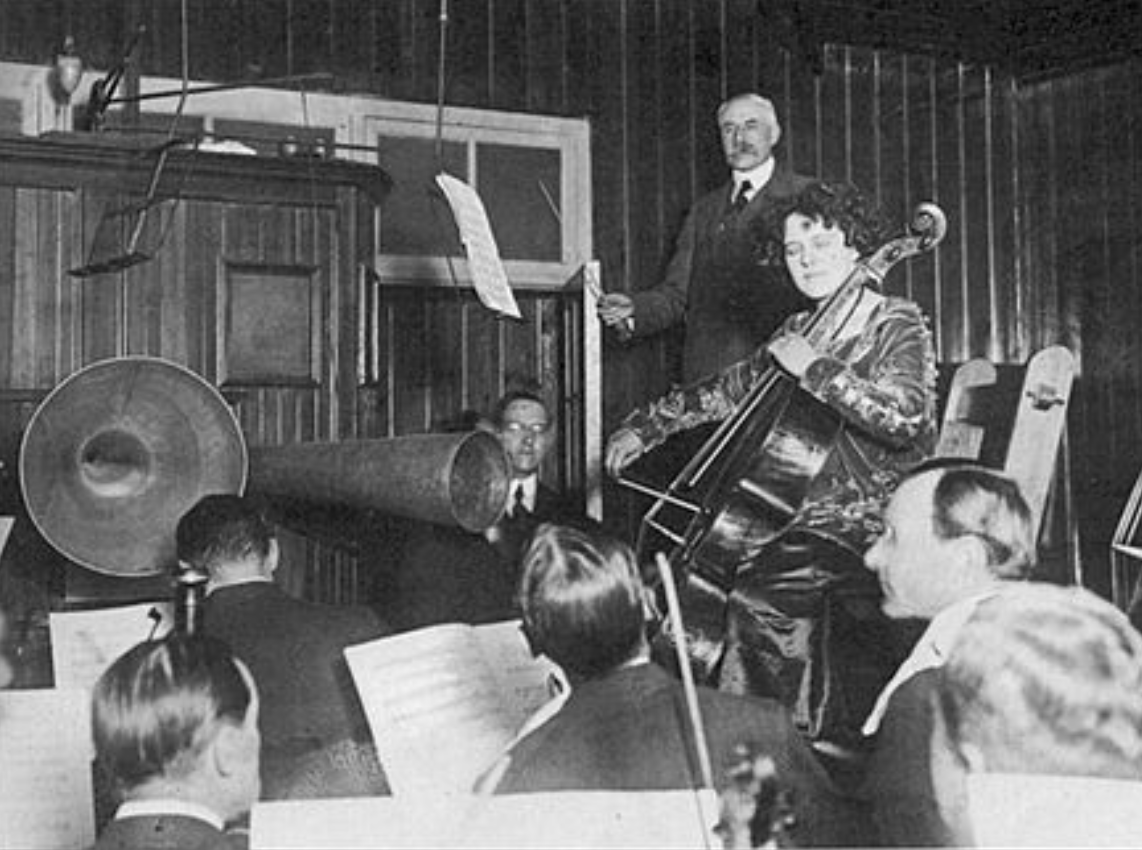
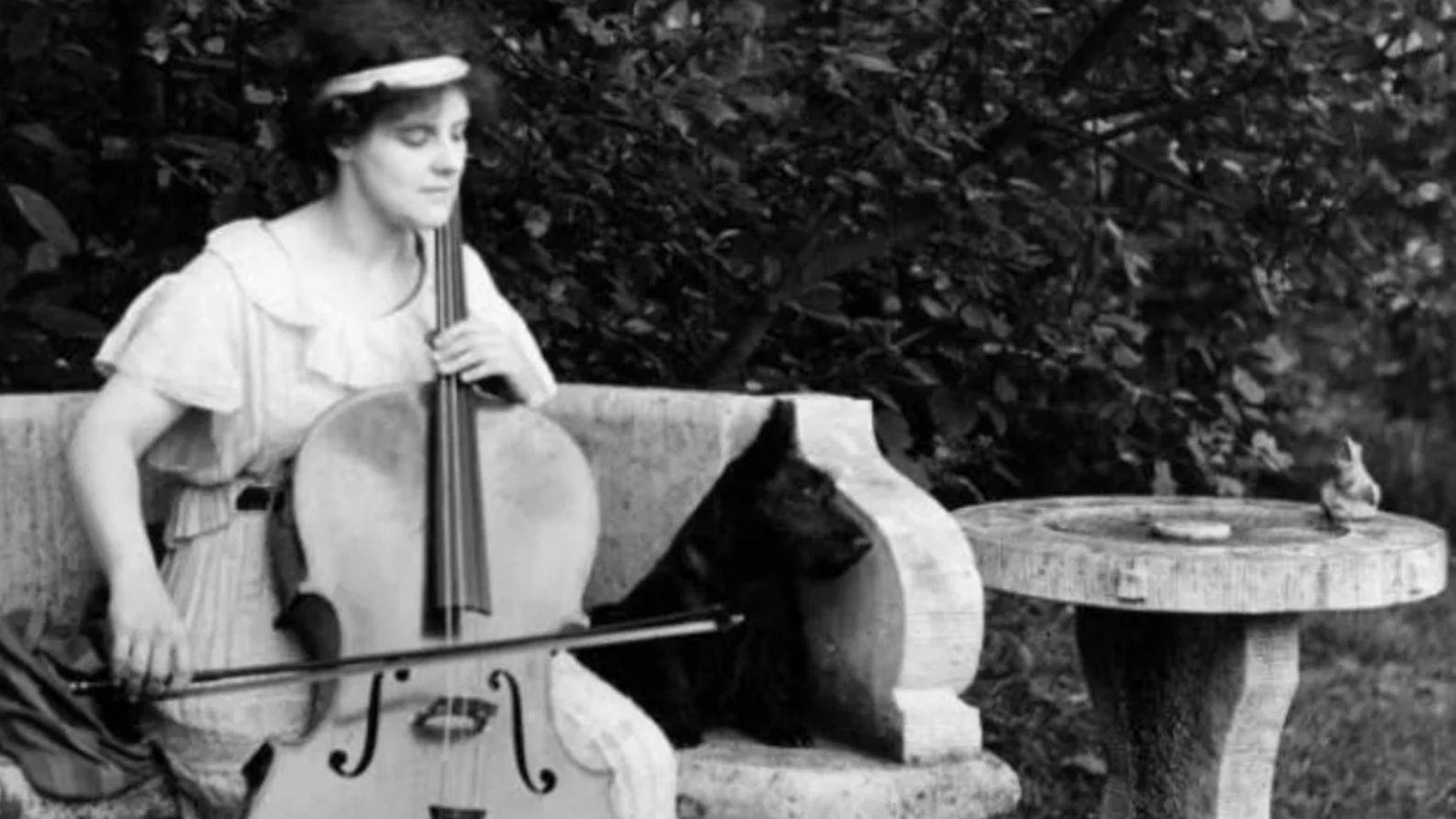
Beatrice Harrison, 1924

‘Going viral’ is such a feature of the 21st century’s online world that it’s hard to believe that a century ago a broadcast from a Surrey garden had the same impact on a country still recovering from the Great War.

On 19 May 1924, a talented cellist, Beatrice Harrison, sat on a bench in her garden to play her cello, accompanied by the magical sounds of nightingales singing. She had persuaded a sceptical John Reith, the general manager of the BBC, to broadcast the performance live.

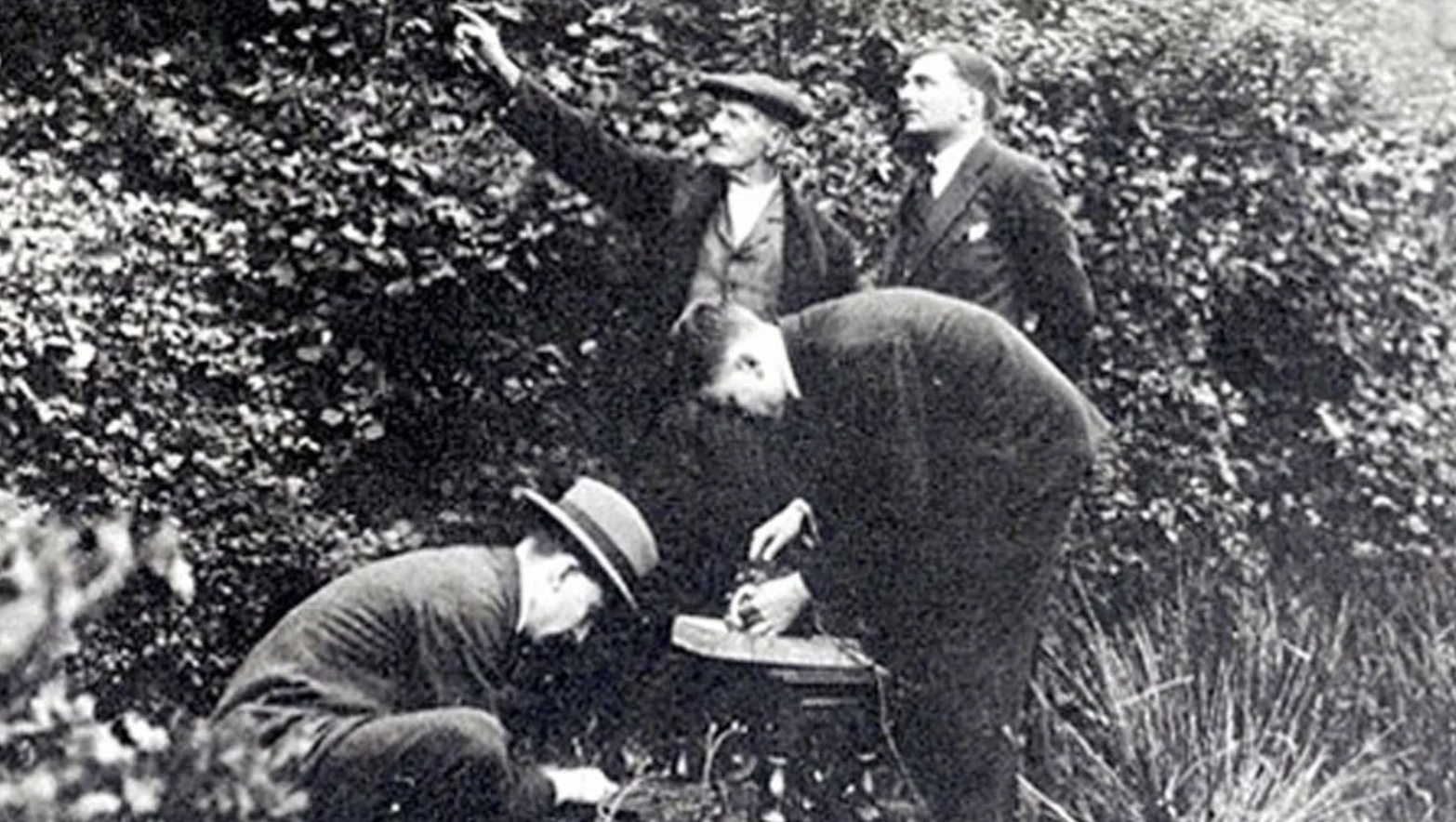
BBC engineers prepare for the 1924 broadcast

Engineers set up microphones in her Oxted garden, with leads trailing into the house to the phone socket. This very first outside broadcast was made possible by a new microphone, the Marconi-Sykes magnetophone, which was far more sensitive than earlier devices. The family donkey and wild rabbits threatened to disrupt the pioneering outside broadcast, but it went so well that the BBC repeated the performance the following month and for the next 12 years. Harrison became internationally famous, receiving 50,000 fan letters, some just addressed to ‘the lady of the nightingales, England’. Visitors from around the world flocked to her home.

Over the past few years, doubt has been cast on whether the birdsong on that first broadcast in 1924 was actually faked, with a bird impressionist stepping in when the real birds failed to appear. But a BBC Radio 3 documentary marking the centenary, The Cello and the Nightingale, sets the record straight. No recording exists of that 1924 performance and the doubters seem to rest their case on a later, commercial recording of another occasion.

I first heard the story of the cello and the nightingale a few years ago, and found it truly poignant. So many of those listening 100 years ago – in Britain and around the world – would have been traumatised by their experiences in the Great War, or by grief at the loss of loved ones during the conflict. Radio was in its infancy, and the BBC, then just two years old, used the power of the new medium to bring the beauty of music and wildlife into thousands of homes. Who can say how many troubled souls were soothed by Beatrice Harrison and her avian visitors?

There is a poignant postscript. Exactly 18 years after the first nightingale broadcast, the BBC was preparing another transmission from Oxted when Britain was once again at war. A quick witted BBC sound engineer noticed the rumble of distant aircraft. Realising that this was likely to be a bomber force heading for Germany, he stopped the broadcast for fear of alerting German spies to the incoming 197 bomber raid on Mannheim. It’s hard to imagine a greater contrast than between the natural beauty of the nightingale’s song and the destruction about to unfold in a distant German city – and the loss of 11 RAF aircraft and their crews.

There is an unexpected twist. When researching for this post, I found that Beatrice Harrison had performed in a wartime British film called The Demi-Paradise. The plot involved a Soviet inventor played by Laurence Olivier who brought his design for a revolutionary propeller to Britain. The butler laconically asks whether Miss Harrison and the BBC staff should sleep under the staircase or under the billiard table if an air raid were to take place. She is later seen playing the cello in the garden accompanied by the sound of distant explosions and with a backdrop of anti-aircraft searchlights sweeping the night sky.

Edward Elgar and Beatrice Harrison record Elgar’s cello concerto, HMV, 1920

The BBC’s centenary documentary about the cello and nightingale broadcasts suggests that Beatrice Harrison’s reputation was distorted by the fame they bestowed on her. She was already a renowned cellist before 1924; she was Edward Elgar’s chosen performer to revive the reputation of his cello concerto after a disastrous premiere by the London Symphony Orchestra in 1919. Elgar conducted the work in a 1928 recording with Harrison, using two turntables. The dual recordings were subsequently combined to create a stereo version.

One last royal word on Beatrice Harrison’s viral fame. King George V once told her, ‘Nightingale, nightingale, you have done what I have not yet been able to do. You have encircled the empire with the song of the nightingale with your cello.’

The miners’ strike, 40 years on

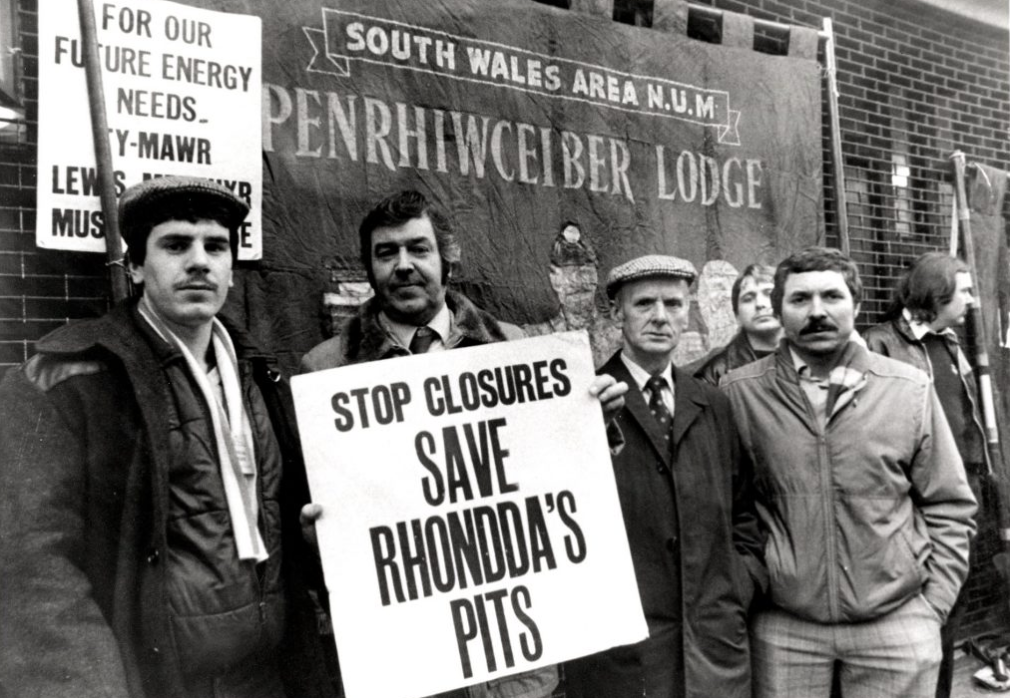
It was one of my strangest dreams. I was in a chip shop in the Rhondda Fach in South Wales in 1985, watching miners’ leader Arthur Scargill sadly announce it was all over. The year-long battle to stop the mass closure of Britain’s coal mines had ended in defeat.

The dream was just that. But it reflected the painful reality of that March day in 1985. The miners of Maerdy in the Rhondda Fach marched proudly back to work, but we all knew that the Thatcher government had won a bitter struggle.

The strike began forty years ago on 6 March 1984, after the National Coal Board announced that 20 mines would close, with the loss of 20,000 jobs. Scargill said that the government would close far more mines (ultimately he was proved right in the years after the strike ended).

The battle that followed was Britain’s last great industrial confrontation, which left many of us with deeply conflicting emotions. The British people had long admired the miners, enduring one of the hardest and most dangerous ways to earn a living. (I blogged about some of the tragedies that struck South Wales in this blogpost.) They also sympathised with colliery communities such as Penrhiwceiber and Maerdy. These isolated villages existed to serve the coal trade, and faced a bleak future if Thatcher axed the coal industry. The women of those communities were magnificent in the grim months of 1984 and beyond, fighting for justice and speaking with eloquence.

Continue reading

The virtual Babble Ride Across Britain with Rouvy

In 2002 and 2019 I cycled the length of Great Britain. Over the past few weeks I have been reliving some of the most memorable moments of those tours – in my kitchen, on my Wattbike Atom smart training bike.

It was inspired by an email from Wattbike about a series of rides on the Rouvy indoor training app. I’d tried Rouvy very briefly last autumn but this seemed like a good reason to give it another go. There was a competition to win Wattbike goodiies but that was less of an incentive – I never win these contests.

Rouvy has taken sections of seven stages of the Babble Ride Across Britain Land’s End to John O’Groats ride (LEJOG), which takes place this September. I’d ridden two of these routes in my 2002 LEJOG, and four on my 2019 one.

The first ride was across Bodmin Moor in Cornwall, which I remember as a very tough ride as a horribly undertrained rider in 2002. I remember the respite of a lunch stop in a village cafe in Minions – and the moment I saw that very cafe on the Rouvy app was the experience that made me a Rouvy fan.

Continue reading

‘Don’t tell him, Pike!’ Remembering Ian Lavender from Dad’s Army

Note: I published this blogpost a year ago, but accidentally unpublished it a couple of months later.

‘Don’t tell him, Pike!’ It’s the most famous line associated with Private Pike in Dad’s Army. Yet it was the officious Captain Mainwaring, played by Arthur Lowe, who uttered it. Mainwaring also regularly called Pike a ‘stupid boy’. Such is the enduring fame and appeal of the classic comedy series that many people born long after the last episode was shown in 1977 are familiar with these timeless catch phrases.

Ian Lavender, who has died aged 77, was the last survivor of the golden cast of Dad’s Army. He was 22 when he joined Dad’s Army – almost 50 years younger than Arnold Ridley (Private Godfrey) and John Laurie (Private Frazer). He played the immature Pike to perfection. It is poignant to reflect that Ian Lavender died over half a century after the passing of James Beck in 1973, who played the black market ‘spiv’ Private Walker. (Spivs were people who traded in black market goods, bypassing the strict wartime rationing system for food and other goods.)

The 1971 film version of Dad’s Army was largely filmed in our village, Chalfont St Giles, Buckinghamshire. Walmington on Sea has rarely been so far inland! The old Crown pub took on the guise of Martin’s Bank (manager, Captain Mainwaring), as seen below. In real life, the building is now empty after brief stints as Crown Coffee, and before that Costa Coffee as I blogged in 2014. It is due to reopen as Durans Bistro later this year.

Continue reading

My Dad and Wynford Vaughan-Thomas

My father Bob Skinner with Wynford Vaughan-Thomas, 1977

I was delighted to discover this photo of my late father with Wynford Vaughan-Thomas, one of the most illustrious Welshmen of the twentieth century.

Wynford was a wonderful broadcaster and writer. His first prominent role was as the BBC’s Welsh language commentator at the coronation of King George VI and Queen Elizabeth (later the Queen Mother) in 1937.

His most famous broadcast was from a Lancaster bomber on a raid on Berlin in 1943, an experience he told Michael Parkinson in 1981 was “the most terrifying eight hours I’ve spent in my life”. Like his BBC contemporary John Arlott, Vaughan-Thomas had an almost poetic way with words, which isn’t surprising given he was taught by Dylan Thomas’s father. He recalled that burning Berlin was “the most beautifully horrible sight I’ve ever seen, like watching someone throwing jewellery on black velvet, winking rubies, sparkling diamonds, all coming up at you.” He went on to compare the Berlin searchlights with the tentacles of an octopus.

The BBC radio programme Archive on 4 devoted an intriguing episode in 2013 to the raid with audio from the original 1943 broadcast, Vaughan-Thomas’s recollections and most movingly the memories of a survivor of the raid who was a Berlin schoolgirl in 1943. She tells how her mother risked death by going back into their collapsing home to rescue her teddy bear. Her interview brought to mind the terrible human cost of the Allied – and German – bombing raids of the second world war.

When I rediscovered the photo that opens this blogpost amongst Dad’s photo collection. I assumed that it was taken at an Institute of Public Relations dinner during the time Bob was chairman pf the IPR (now CIPR) Wales group in the 1970s. Sure enough, I found confirmation in a box file of Dad’s speeches and articles: the notes of the speech he gave that night:

“The champagne voice of Wales” – how apt!

Bob wrote a short history of the IPR in Wales in 1995, which was launched at an event in (I think) Newport. It includes this photo, which shows that my mother Rosemary also attended, and that the dinner with Wynford Vaughan-Thomas took place in November 1977, a day before Dad’s 51st birthday. Arwyn Owen, seen in the photo above, who ran PR for Welsh Brewers, kindly supported my application to join the IPR in 1990.

Wynford Vaughan-Thomas was a leading figure in Welsh broadcasting, and was one of the founders of Harlech Television (HTV, now ITV Wales). Not long before he died in 1987 he co-presented a wonderful television history of Wales, The Dragon Has Two Tongues. His sparring partner was the equally loquacious Gwyn A Williams, and over 13 episodes the two Welshmen argued passionately about the interpretation of the past. By common consent Williams won the debate, and Vaughan-Thomas was reduced at one point to dismiss his fellow presenter as “a Marxist magpie”.

Sadly this entertaining series has never been repeated in Wales for copyright reasons, although it has been broadcast in Ireland. It was accompanied by two contrasting histories, Wales: a History by Wynford, and When Was Wales? by Alf.

Echoes of 1939

Some years are associated with tragedy and the horror of war. For example,1914: the year the lamps went out all over Europe (in the poignant words of Sir Edward Grey) at the start of the Great War; 1916: the year of the cataclysmic battle of the Somme. And in Wales 1966: the year of the tragedy of Aberfan.

Nicholas Winton and the Kindertransport

Over the past few days, I have been reflecting on another of those ill-starred years: 1939. Yesterday, we went to the cinema to see One Life, the brilliant film about the life of Sir Nicholas Winton, who played a key role in saving 669 children from the murderous Nazis in Czechoslovakia. He helped arrange for them to be brought to Britain in the spring and summer of 1939. Tragically, the very last Kindertransport train was halted on 1 September 1939 after Hitler invaded neighbouring Poland. The 250 children on board, so close to salvation, were seized by Nazi thugs, and only two survived the war.

The film is heartbreaking and heartwarming in equal measure. Heartbreaking because it highlights the agonies that so many people, especially the Jewish people of Europe, suffered at the hands of the Nazis, and because we are so aware that similar hatred is causing misery once more, especially in the Middle East and Ukraine. But heartwarming because good people like Nicky Winton, his mother Barbara, Doreen Warriner, Marie Schmolka, Martin Blake, Beatrice Wellington and Trevor Chadwick went to extraordinary lengths and (for those in Prague) considerable personal danger to save others. It was especially poignant to see the recreated scenes at Prague’s railway station as parents waved off their children, knowing they themselves would probably never see them again.

Continue reading

The aromas of winter

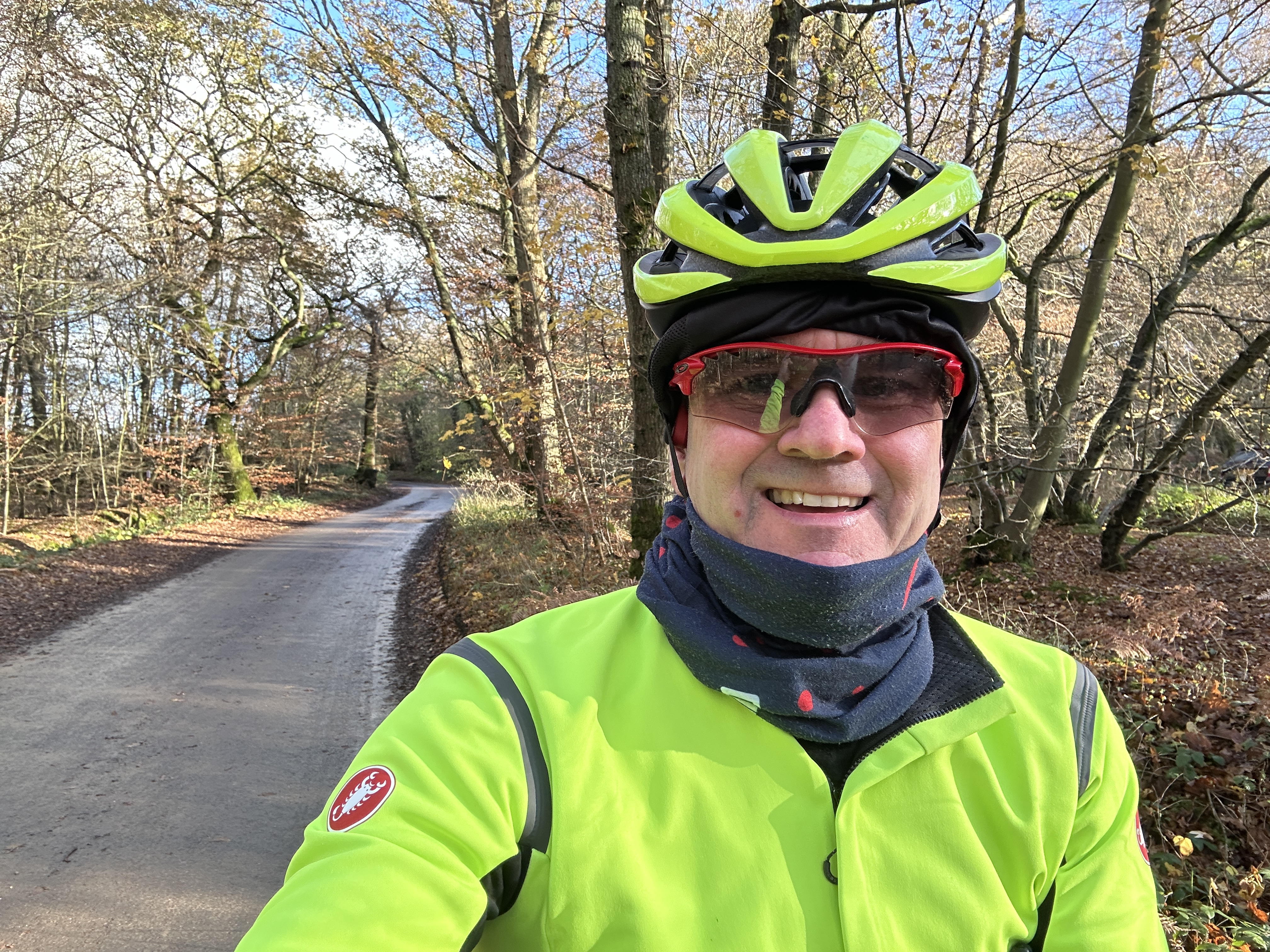
Hodgemoor Wood, Chalfont St Giles, Bucks

The advent of winter has brought crisp, sunny days. It was a a joy last week to take to the saddle for bike rides through the Buckinghamshire countryside. Yet I noticed something for the very first time. As the temperature fell, my sense of smell increased. Cycling through Hodgemoor Wood, above, the aromas were almost overpowering – in a pleasant way. It was like wallowing in potpourri. A few days later, I sensed the aroma of petrol as I passed another local woodland. And yesterday, leaving the house, I could sense the aroma of sweet candles.

Was I imagining this? Had my senses changed on marking my 60th birthday? Or was the winter of 2023/24 an unusually aromatic one?

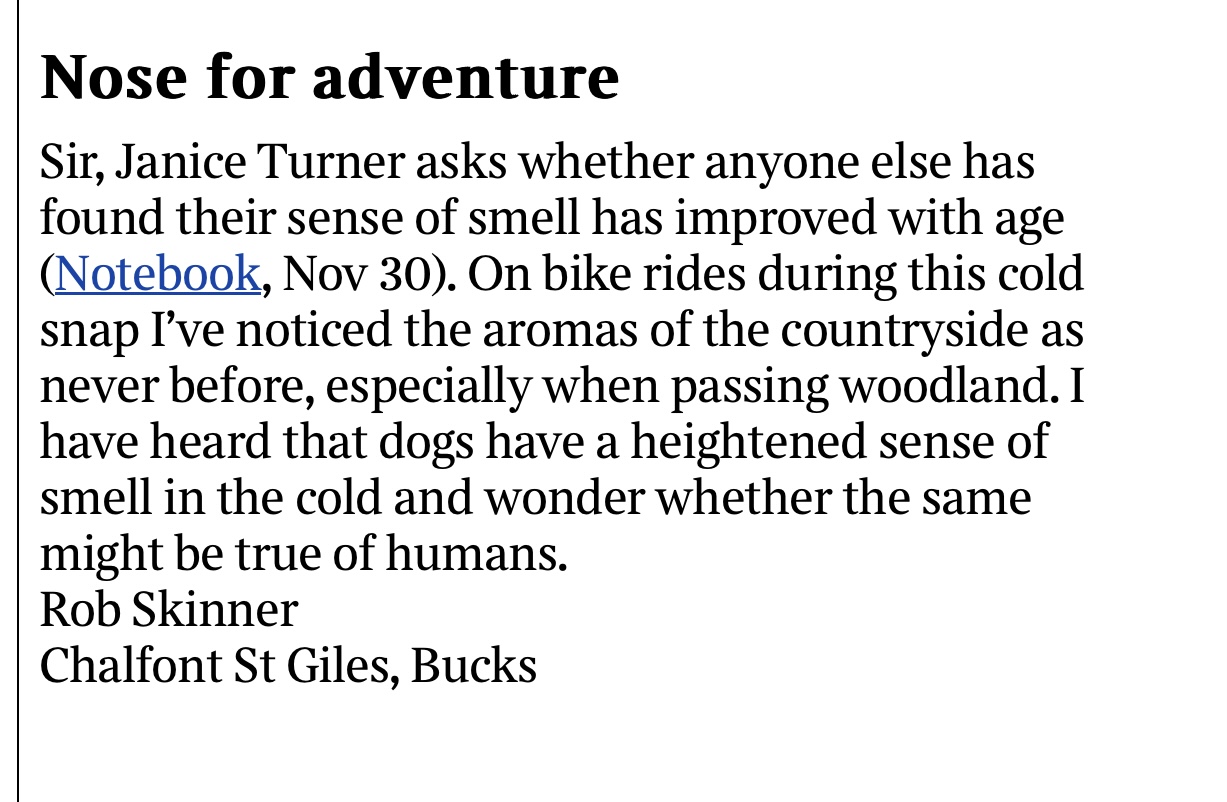
My observations featured in The Times on Friday, which included my letter on the topic, prompted by a column by Janice Turner.

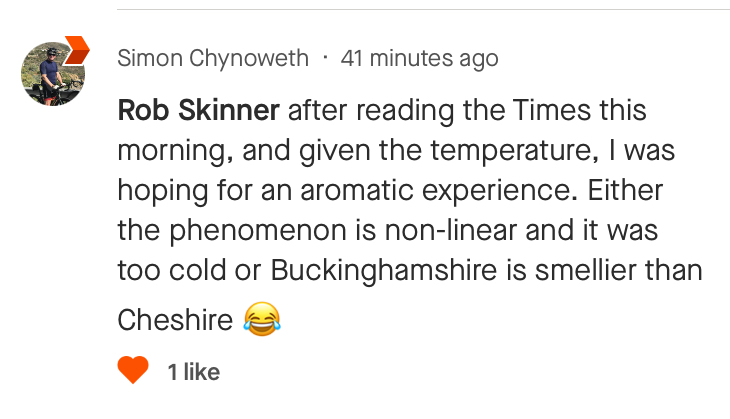
I was amused by the response from fellow cyclist Simon Chynoweth, above, on Strava. (We shared a memorable Land’s End to John O’Groats adventure in 2019.) It will be interesting to see if my aromatic experiences continue now the cold snap has eased!

Empire of Light and Cardiff cinema memories

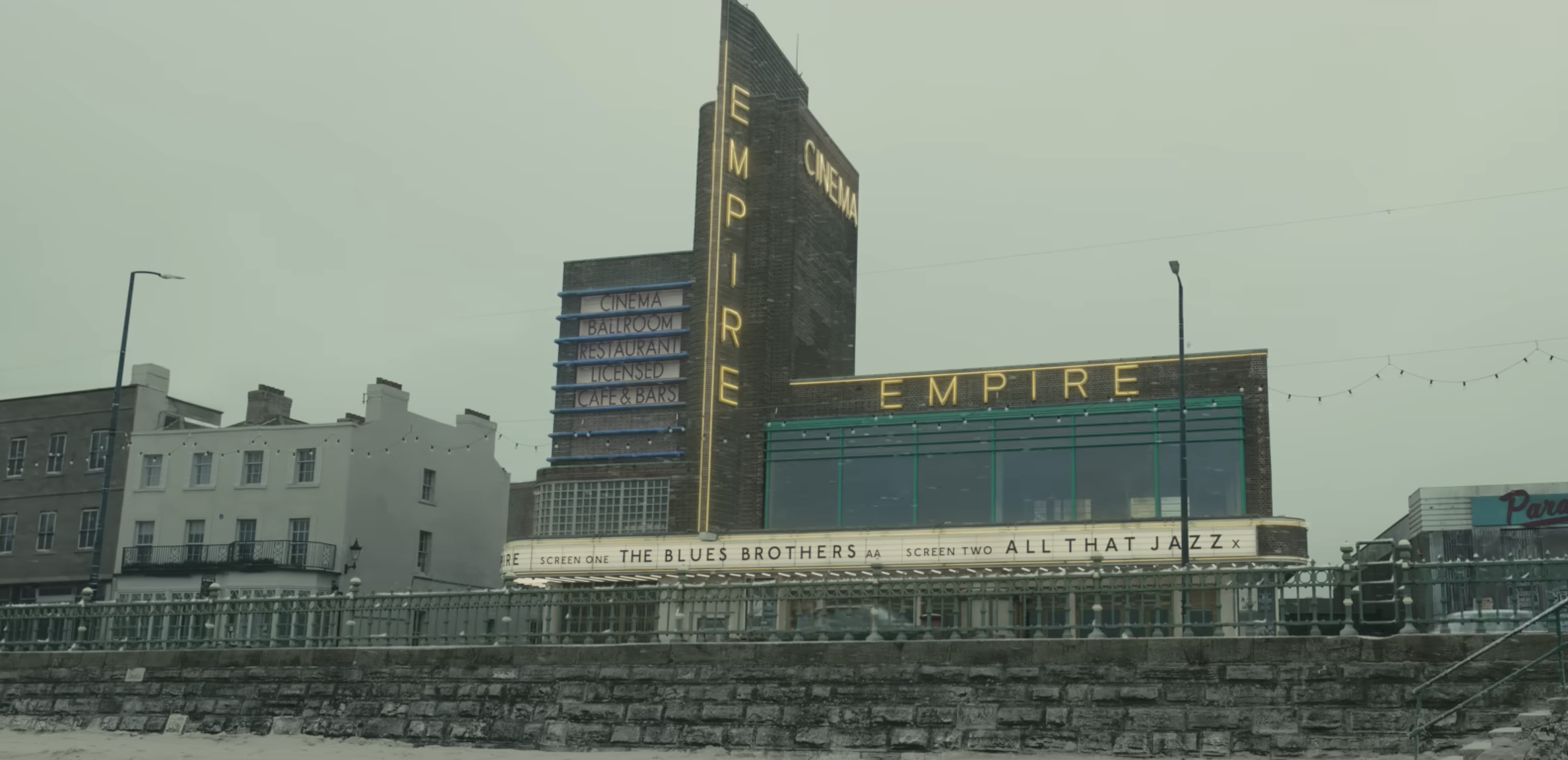
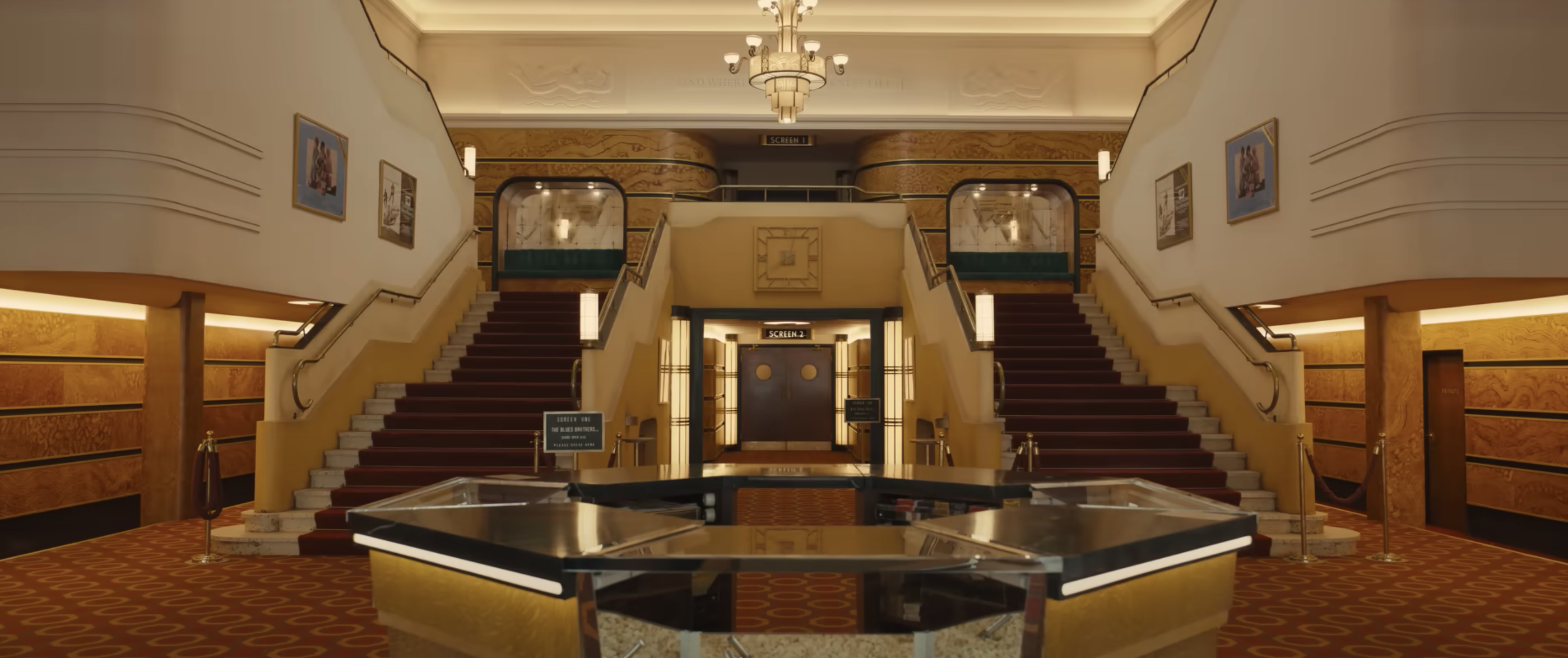
Above: the cinema in Empire of Light

Sam Mendes’ Empire of Light was not the film I was expecting. I was looking forward to a moving story about a neglected seaside cinema lovingly brought back to life. (Think Cinema Paradiso, Margate-style.) Instead, it was a far starker and more complicated tale of early Eighties Britain, with racism, mental illness and misogyny centre-stage.

I’ll share my thoughts on Empire of Light later. But this post is an unashamed exercise in nostalgia. The film revived long-dormant memories of childhood trips to the cinema in 1970s Cardiff. Going to the pictures (as parents, aunts and uncles described a trip to the cinema) was a very different experience 50 years ago, and Empire of Light brilliantly captures the mood of the time.

The first film I remember seeing in a cinema was Chitty Chitty Bang Bang on its release in 1968 when I was five. We also saw Earthquake, a 1974 disaster movie, in Elephant & Castle when we were staying in London for a weekend. (It featured sound effects designed to simulate an earthquake.) But most of my childhood big screen outings were in my hometown, Cardiff, Wales.

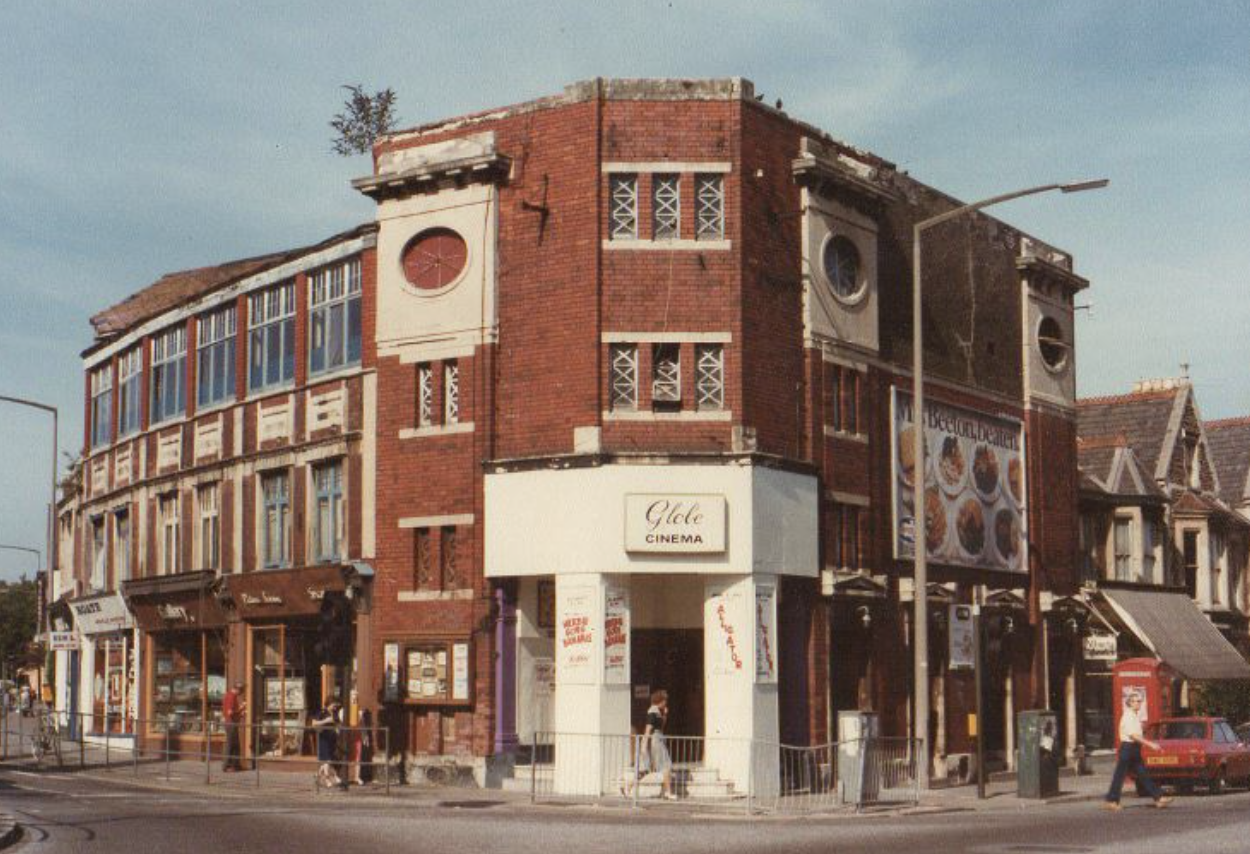
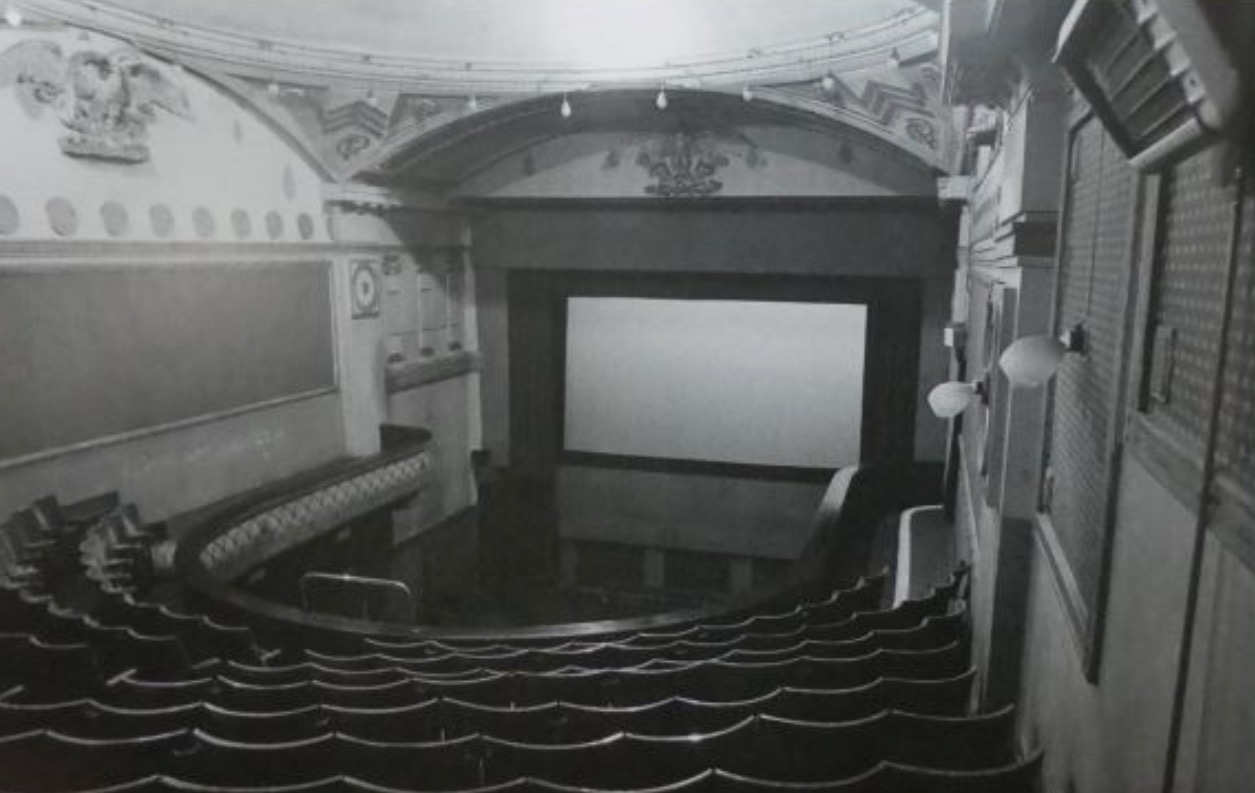
One Christmas, my father Bob Skinner took me to the old Globe cinema in Roath to see A Christmas Carol, which I now realise would have been the version that came out when Dad was 12 in 1938. (Dad’s favourite film.) The photos above capture the venue exactly as I remember it, with a bush growing out of the roof, and a shabby auditorium. (The moniker ‘flea-pit’ could have been inspired by the 1970s Globe.) In those days, films were often played on a loop, which gave rise to the expression ‘this is where I came in’. Sure enough, we stayed long enough to see the film starting again! Dad tells me that the cinema was run by a Welsh rugby international, whose wife worked in the box office. It was one of the first venues to show foreign films. The Globe closed in the 1980s, not long after my friend Anthony and I watched Return of the Jedi there – the only early Star Wars film I watched in a cinema.

Continue reading

Captain Boycott, Coventry and the origins of cancel culture

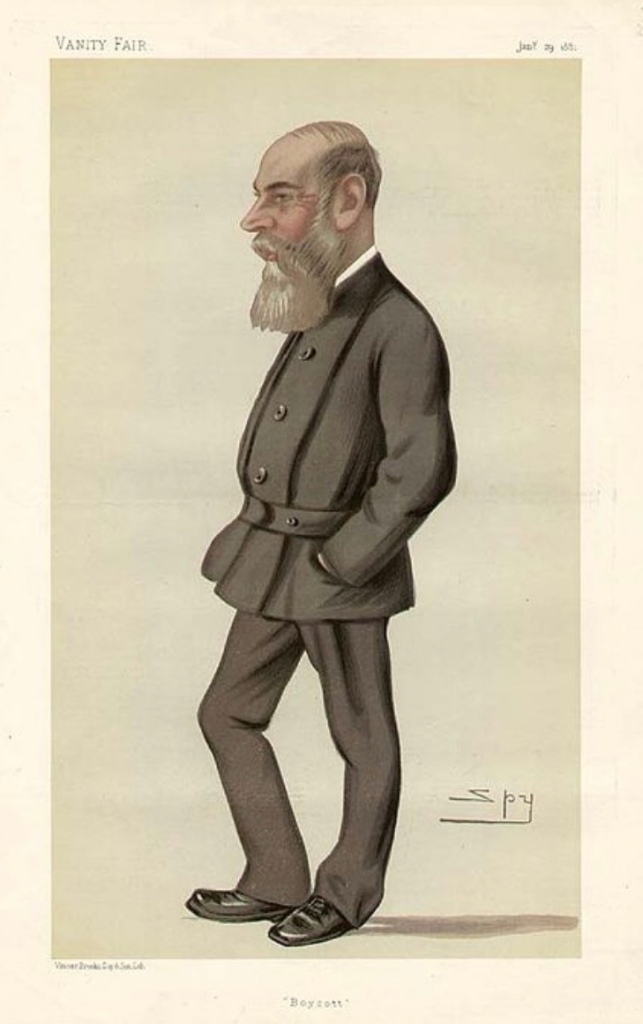
Captain Boycott by Spy, Vanity Fair 1881

Cancel culture is a hot topic in today’s world. It’s seen as a product of our aggressive, confrontational online society, with its culture wars.

But cancel culture is likely to have been a feature of life since early humans started living in communities. This thought only struck me when my son Owen was researching for a school talk on cancel culture. My mind went back to a class room at Cardiff High School, Wales, in 1979, and a lesson on British and Irish history with our wonderful O level teacher, Dr Davies. Back then, the name ‘Boycott’ was associated with cricket: the Yorkshire cricketer Geoffrey Boycott was in his pomp, having completed his 100th first-class century two years before. Dr Davies told us of another Boycott, who gave his name to the English language after he was ‘boycotted’ by a community in the west of Ireland in the 1880s. In other words, he was cancelled.

Charles Boycott was the agent of Lord Erne, a hated landowner in County Mayo in the west of Ireland. After Erne refused to accept the tenants’ plea for more affordable rents, Boycott tried to evict them. The community was outraged, and pressured people working for Boycott and local shops to refuse to deal with him. Boycott wrote a letter to The Times in London, which created sensational news stories around the world. Boycott left Ireland in disgrace soon after.

“The shopkeepers have been warned to stop all supplies to my house, and I have just received a message from the postmistress to say that the telegraph messenger was stopped and threatened on the road when bringing out a message to me and that she does not think it safe to send any telegrams which may come for me in the future for fear they should be abstracted and the messenger injured. My farm is public property; the people wander over it with impunity. My crops are trampled upon, carried away in quantities, and destroyed wholesale.

extract From charles boycott’s letter to the times, 14 october 1880

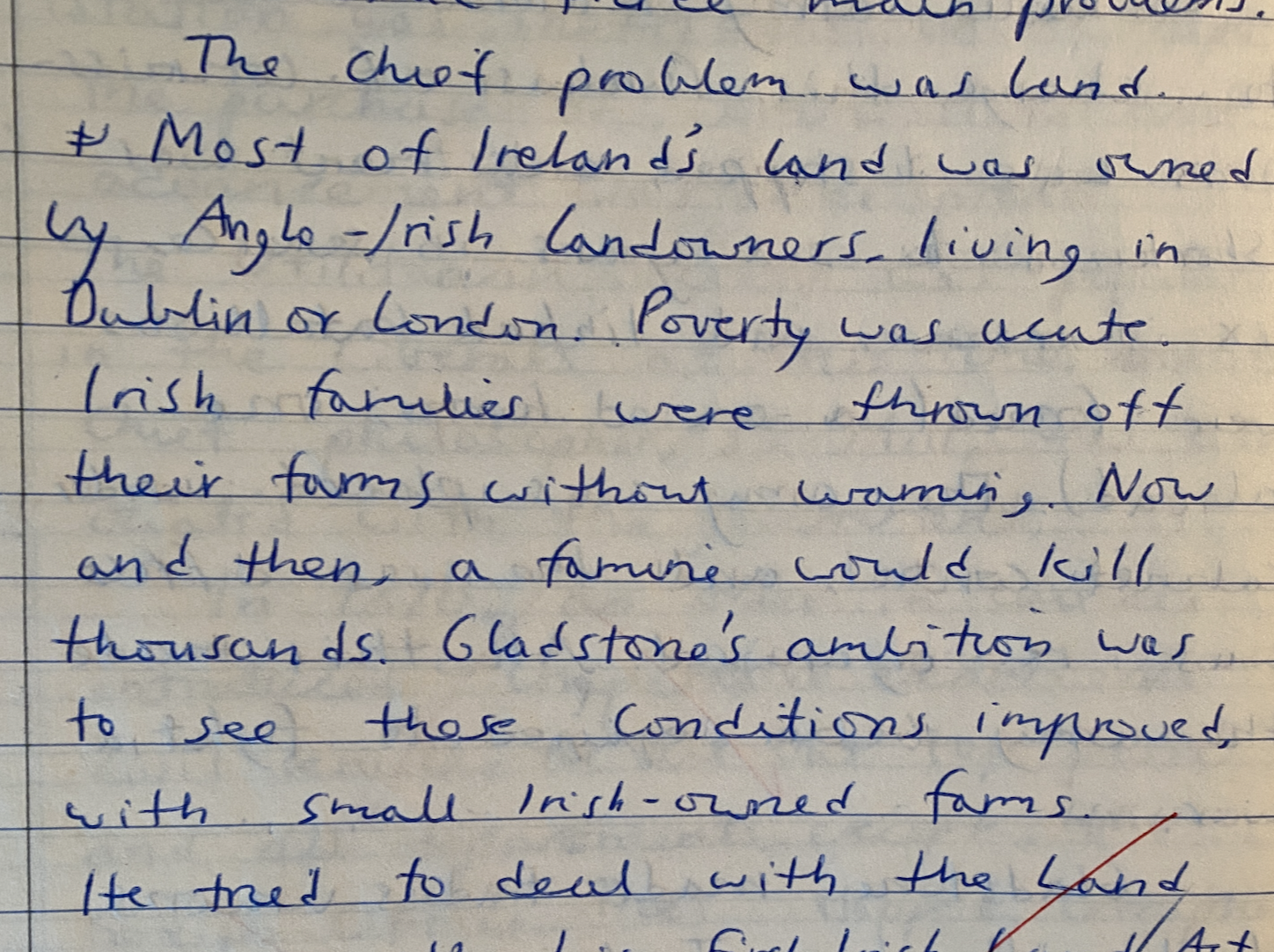
Essay in Irish history: my O level mock history paper, Cardiff High School, 1979

The treatment of Boycott gave a huge boost to the campaign for justice for Ireland’s rural tenants. Ireland was then part of the United Kingdom, and prime minister William Gladstone recognised that solving the land question was critical if he was to achieve his mission of ‘pacifying Ireland’. Parliament passed an Irish land act within months, in 1881, meeting the demand for the ‘three Fs’: fixed tenure, fair rents, and free sale of leases. A long-ago example of how cancel culture can force dramatic, historic reform.

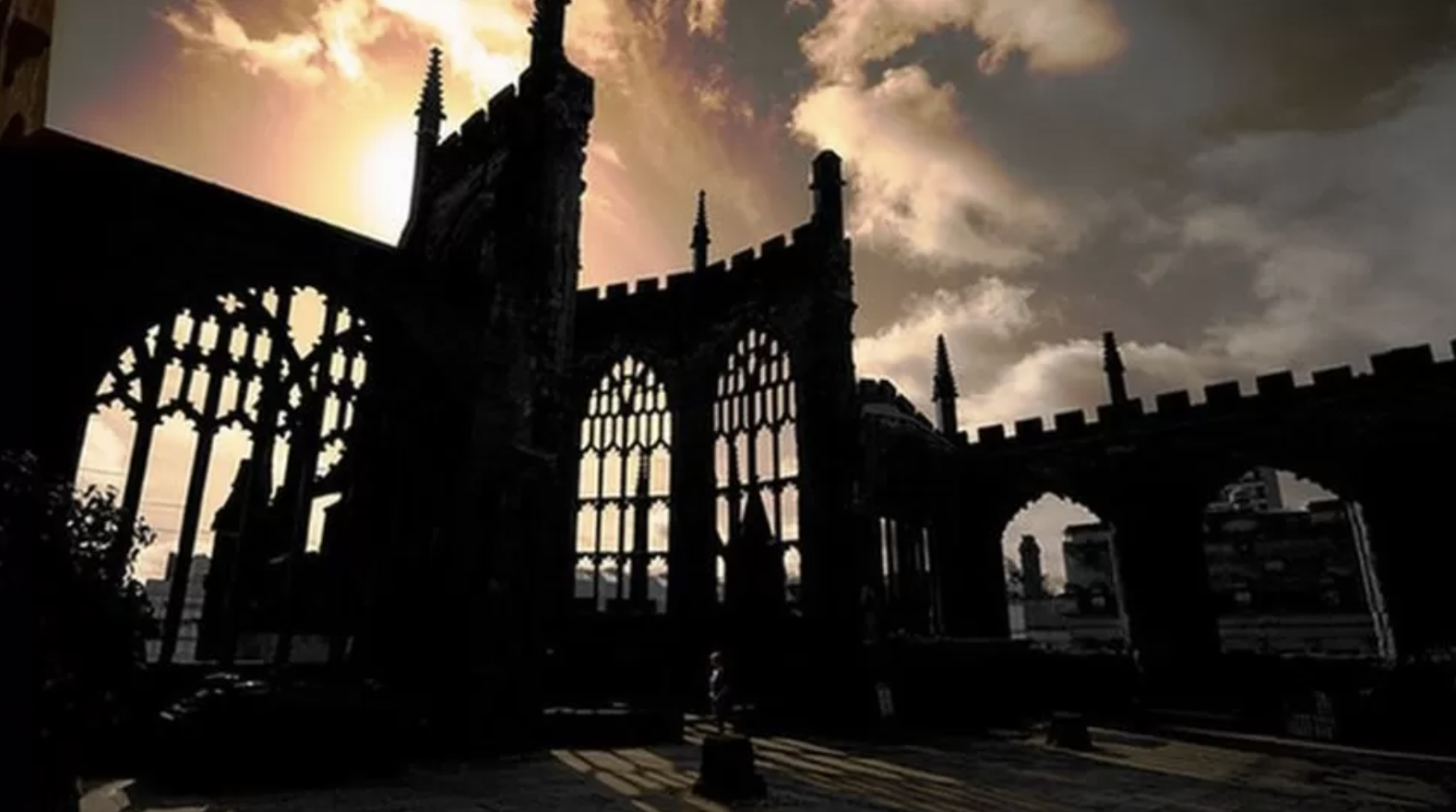
Sent to … Coventry. Photo: BBC

As I reflected on that Irish boycott, I remembered another phrase that proves cancel culture’s long history. When I was growing up, it wasn’t unusual to hear of people being ‘sent to Coventry’ when they were being ostracised or given the cold shoulder. Some say that the expression dates back over 470 years to the English civil war, when Royalist prisoners would be taken to Coventry, where they would be shunned by the locals.

I will know better next time someone claims cancel culture is a uniquely 21st century issue!

Note: Charles Boycott was not an army captain. It seems he was given the title of captain by the local community, who did not intend it as a compliment.