A real winter: memories of 1981/82 in Cardiff

40 years ago today…

It was 40 years ago today that the snow came. It wasn’t unexpected: in my teenage years, winters featured regular heavy snowfalls. In 1978 rugby fans were stranded by a blizzard returning from an international in Cardiff. The winter of discontent, 1978/79 was characterised by blizzards as well as strikes. But 1981/82 was different: the snowiest winter since the great winter of 1962/63.

Little did I know, when I pleased myself by marking the date in snow on our greenhouse, that the winter of my A level year would be so special. My first diary noted that there had been a rail crash claiming four lives at Seer Green (Sear Green, as I spelt it) in Buckinghamshire. I had no idea that I’d commute from that village station for several years 20 years later.

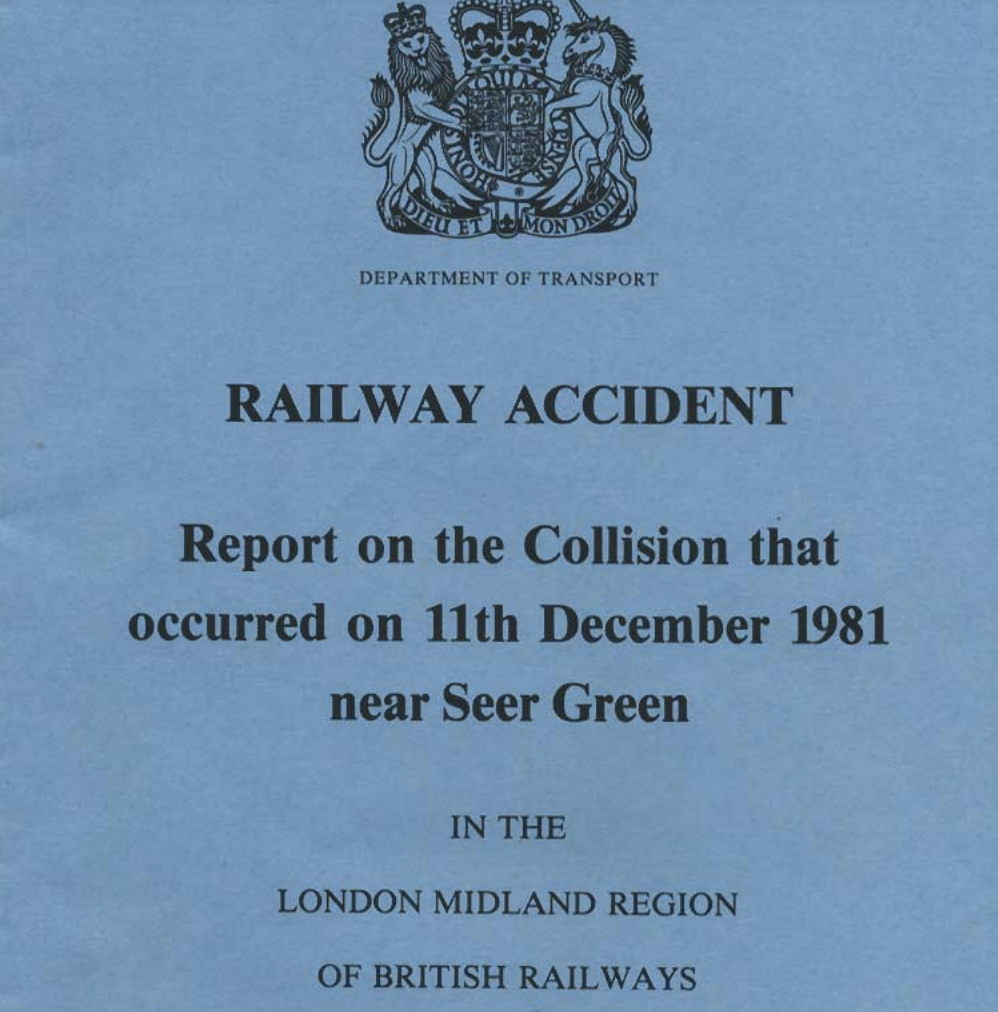
The Seer Green rail crash, 11 December 1981
The accident report

We had further snow over the Christmas holidays. The photo below, taken on Boxing Day 1981, shows brother-in-law Julio, Siân, aged 14 months, sister Boo, Mum and me.

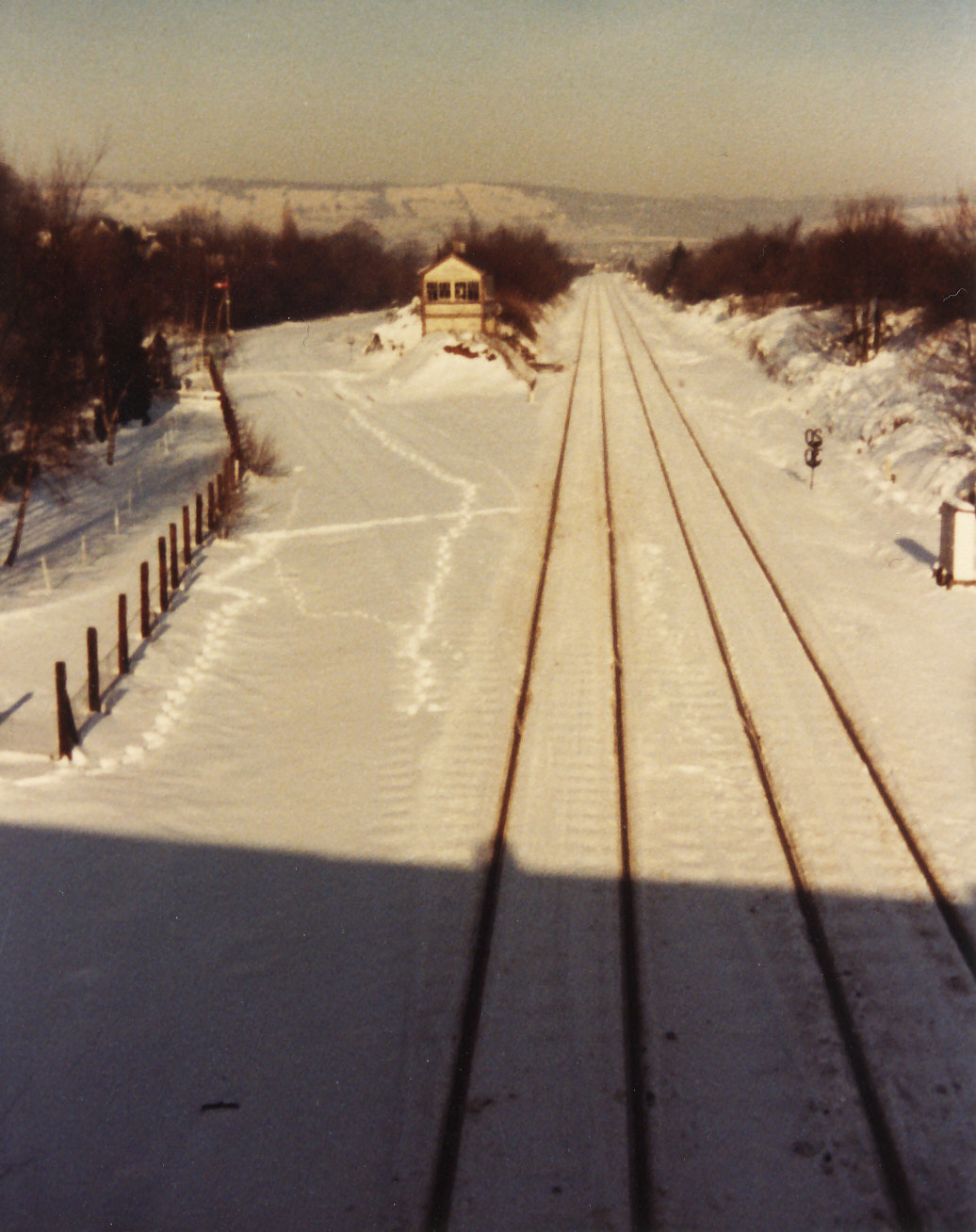
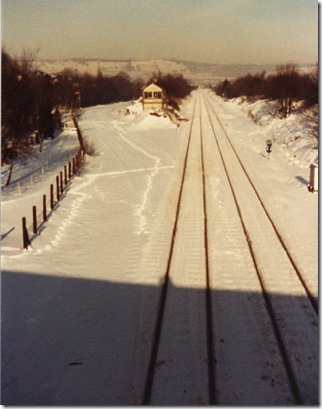
The serious snow arrived in the new year. It snowed continually for 36 hours. It’s hard now to imagine that kind of snowquake. Urban landscapes were transformed. The photo above of Heath Junction in Cardiff tells a story. No trains were running on the Coryton line, so you’d never know it was a junction were it not for the old GWR signal box and signals.
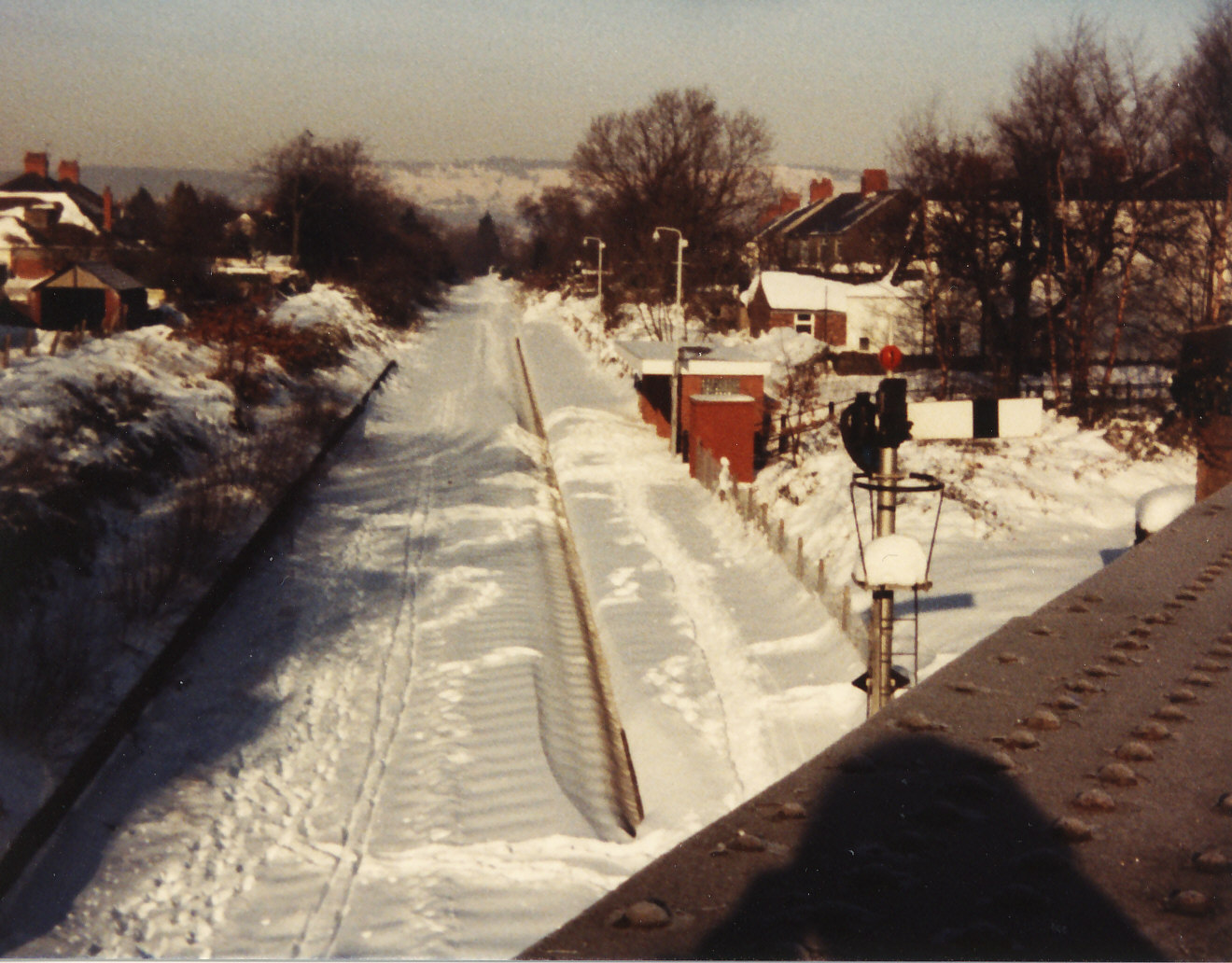
Heath Low Level station

The photo above shows the snow at Heath Low Level station untouched by trains or people as British Railways didn’t attempt to run any services on the Coryton line while the snow persisted.

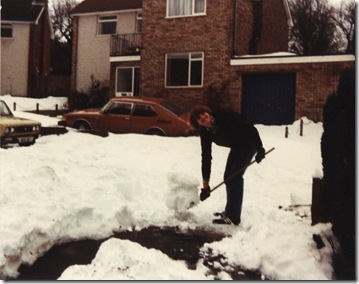
I eventually cleared a path to the garage and drive as seen below. The 1960s Hillman Imp was Mum’s car.

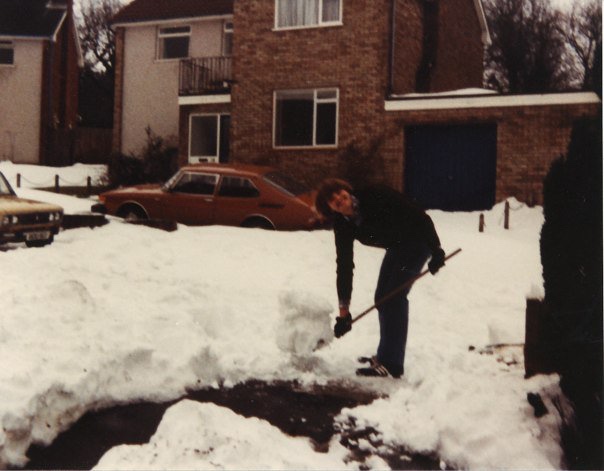
I eventually helped clear a path to the garage – as seen above and below.

The sheer weight of snow changed the landscape for ever. The old Sophia Gardens pavilion, which was a venue for the 1958 British Empire & Commonwealth Games, collapsed under its weight, as did the bowling club in Rhydypenau.

Near Cardiff Castle

One day, I walked into town, past the scene near Cardiff Castle seen above. It was a great adventure.

Days later, we were due to go to London on a school trip for a series of history lectures, five months before our A levels. One of the star lecturers was GR Elton, who featured heavily in our A level Tudor history course, and was well known for his clash of theories about Henry VIII with rival historian JJ Scarisbrick. We were due to travel by train, but bizarrely the trains were blocked while the M4 to England was still open.
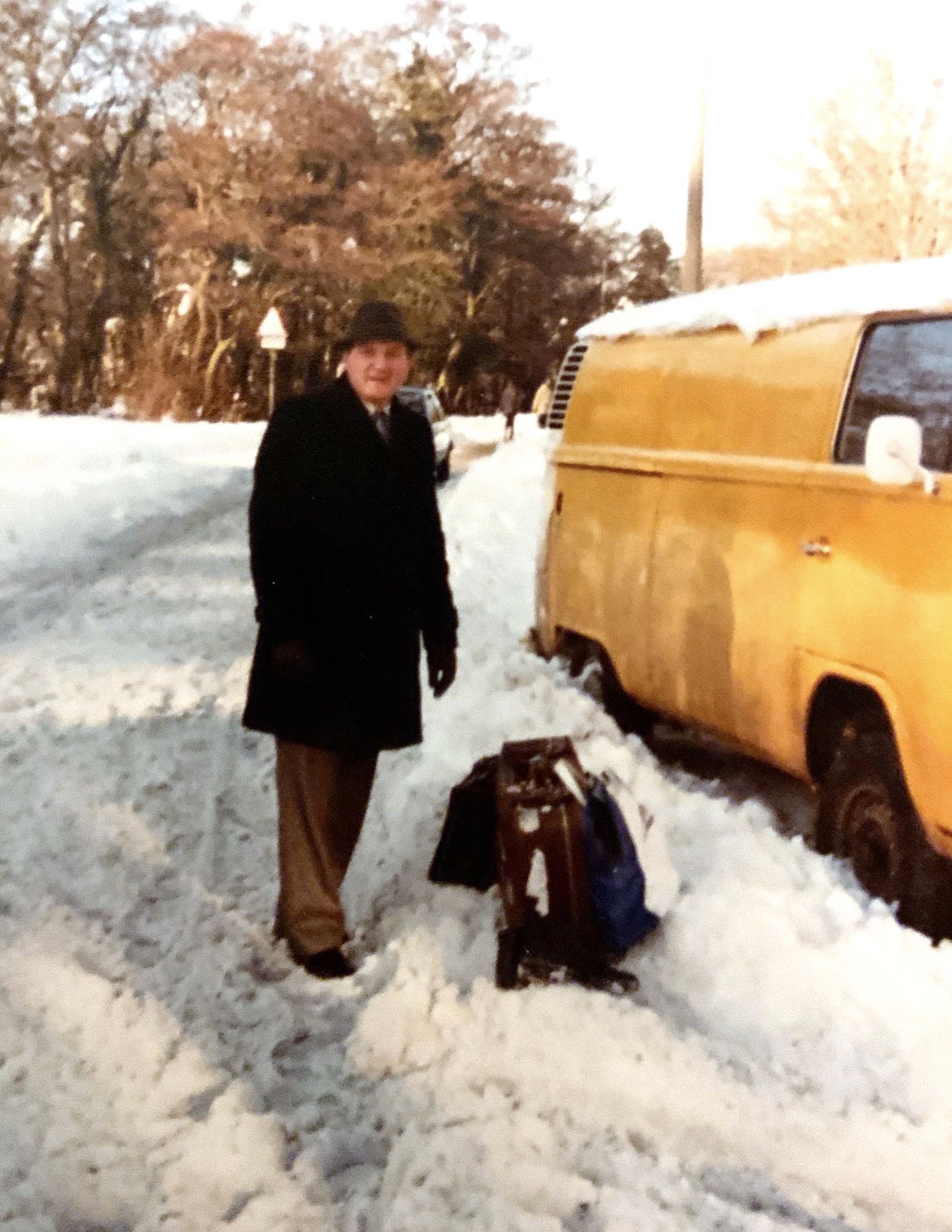
Dad, off to Majorca

Dad, Bob Skinner, was working flat out during the blizzards of early 1982. As public relations officer for South Glamorgan county council, he was the spokesman for the Welsh capital’s council as it kept people informed about how its services were affected by the great freeze. By early January, he was desperate for a break, and planned a rare holiday in Palma, Majorca. He was picked up by a Land Rover to get him on a train to Birmingham to get a flight to Spain. Dad recalls the delight of sinking into his seat on the plane.
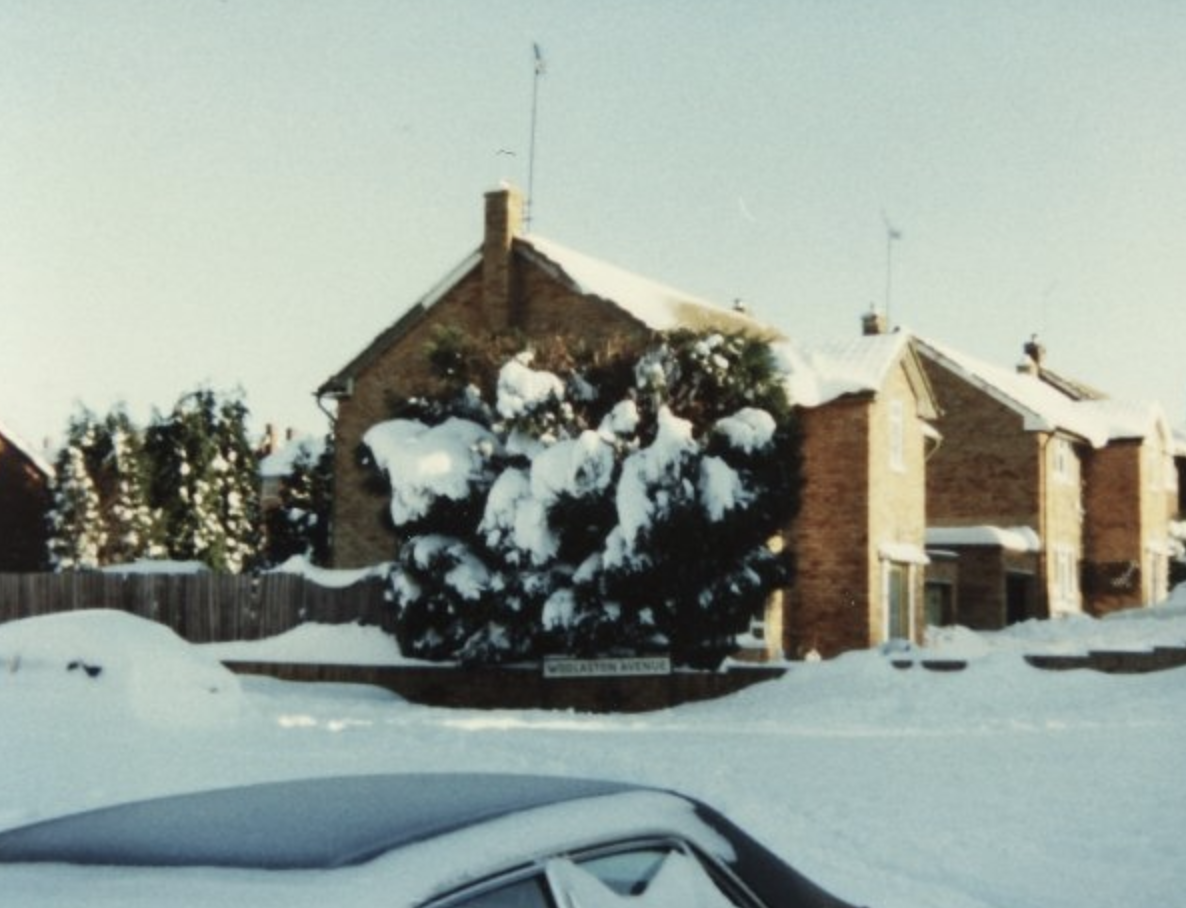
Our house in the snow

You can see in this shot how high the drifts reached – over the wall between our front garden and the pavement.
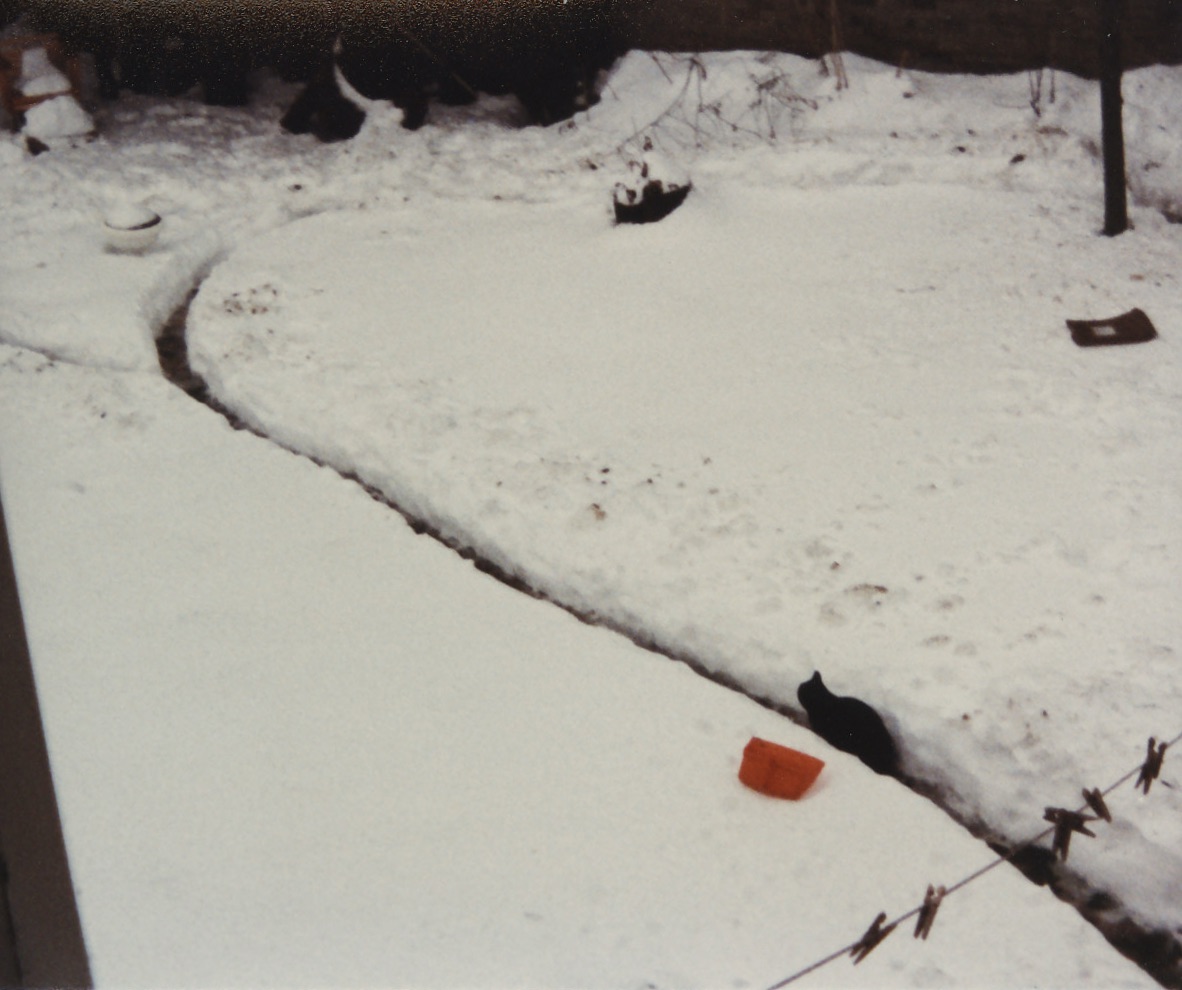
Paths for Spot the cat

I was concerned that our eight year old cat, Spot, would be adrift. So I built paths (above) and a tunnel (below) for her. It’s fair to say she needed a bit of encouragement to use them!

Eventually, the snow melted and life got back to normal. We’ve never had a winter like 1981/82 in the intervening 40 years. Will the snow ever return in such a magical way?

January 11 and January 20, 1982

The path seemed clear to A levels. But none of us could have know that Britain would be at war with Argentina over the Falkland Islands during those exams…
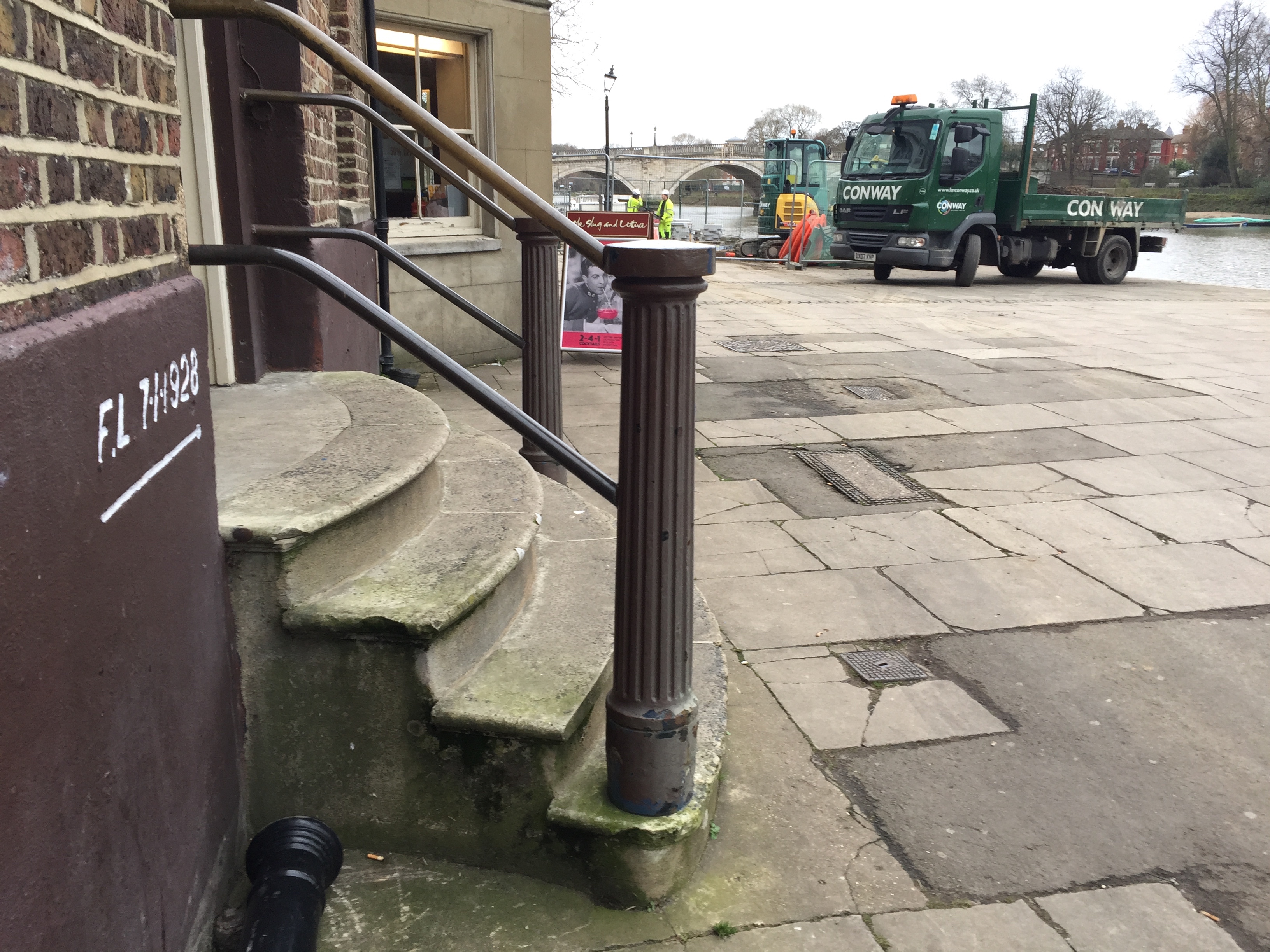
Richmond’s high water mark, 1928

High water mark Richmond January 1927

When Richmond flooded, 1928

Anyone working or living in Richmond, Surrey, is used to the river Thames lapping over the riverside roads and paths. The White Cross pub even has a sign showing the high tide entrance. Yet few high tides have ever come close to January 1928.

Continue reading

Britain’s winter’s tale

Image

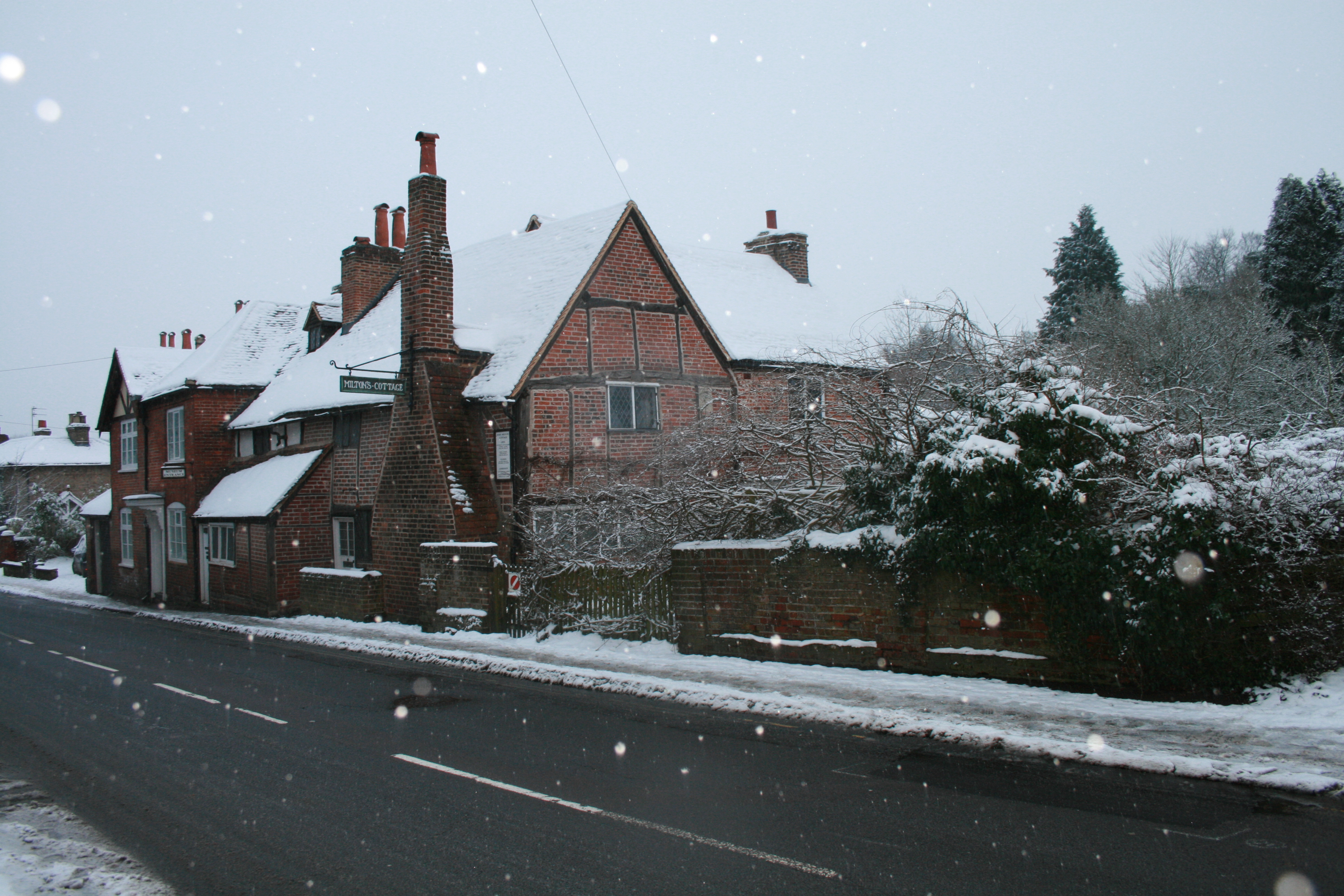
Milton’s Cottage, Chalfont St Giles

I was seven before I remember playing in the snow. Christmas 1970 was a winter wonderland – but it was another six years before I experienced the excitement of a world transformed by a white blanket.

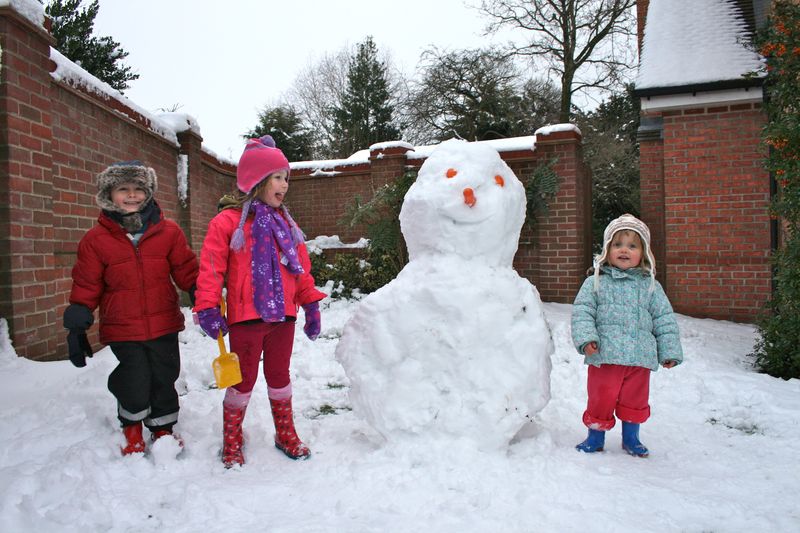
By contrast, our four year old son Owen has had a snowy childhood so far. Every winter of his life has seen significant snowfall, especially the winter of 2009/10. He’s had two white Christmases (by my definition of snow on the ground on Christmas Day, rather than the Met Office’s stricter criterion.) I have blogged every winter about these snow days, most recently during February 2012’s snowy snap.

Some may argue this is evidence of climate change. Perhaps. But anyone born in 1976 would have had a similar snowy introduction to winter.

Whatever the reason, Owen and I are making the most of it!

Image

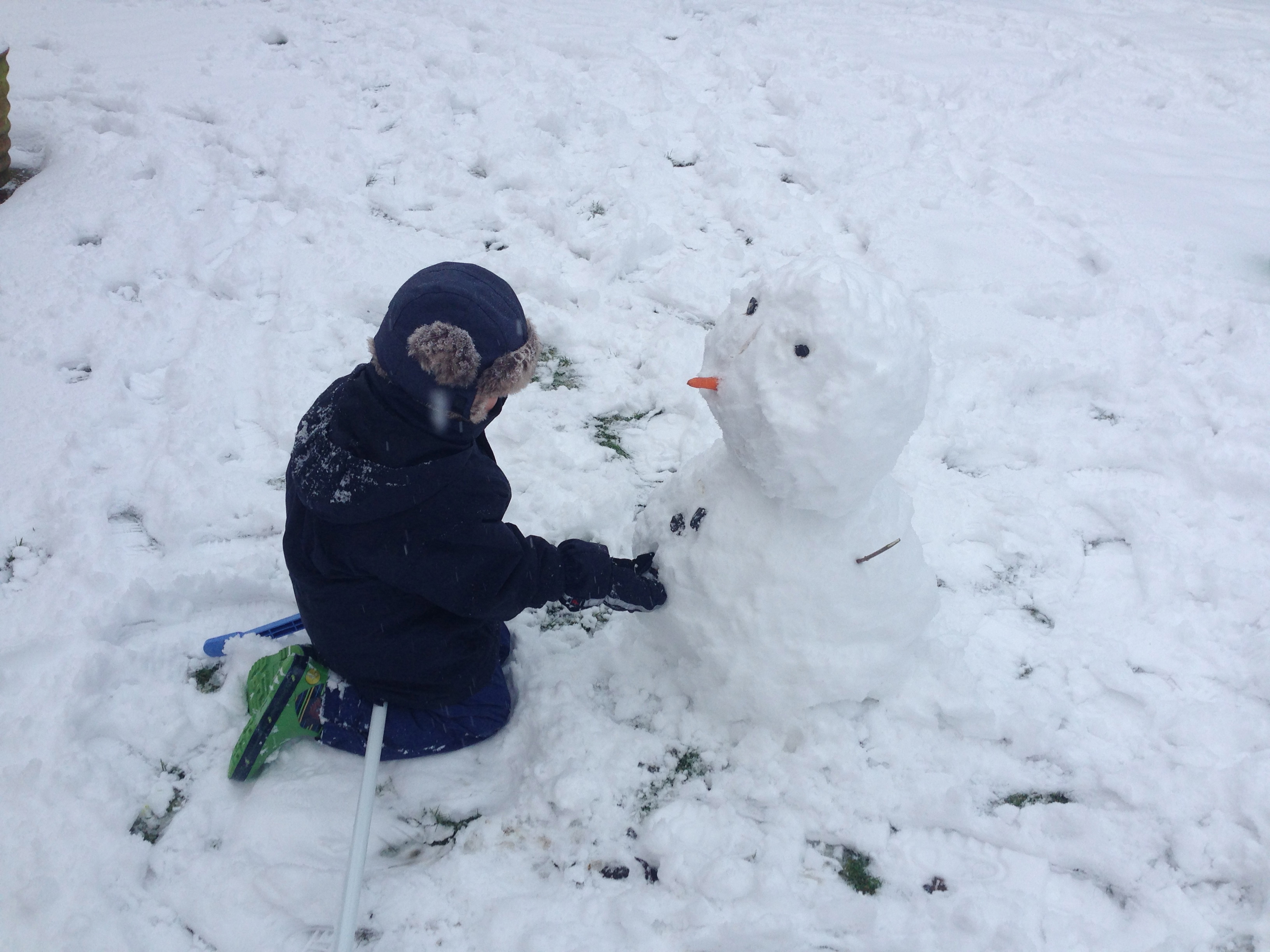
The snowman, 2012 edition

Snow Sunday

IMG_3976

Winter is here. The snow arrived on Saturday night, at the end of a day that began with a bitterly cold night. (It was minus 6.5C when I drove Owen to his football class at 8.40am.) The mild winter had turned real.

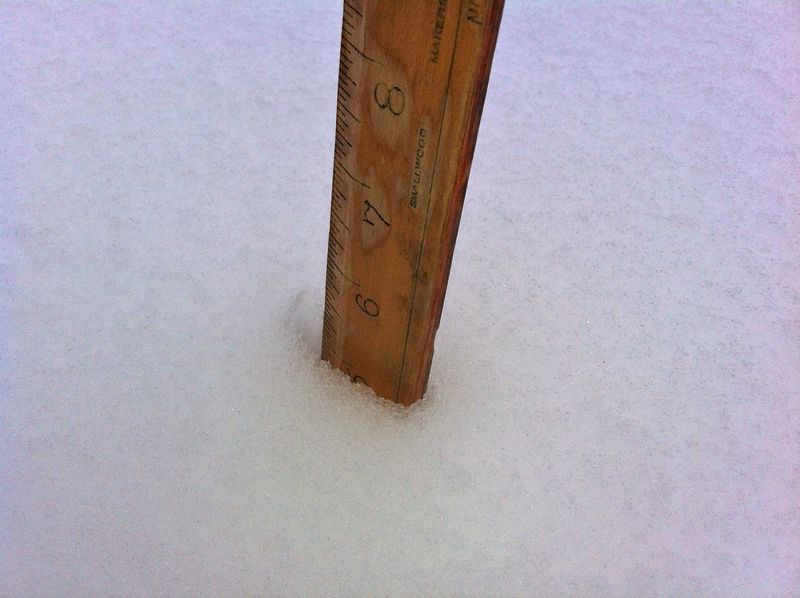
We enjoyed an unforgettable day. Owen is now big enough to relish snow, especially five inches of the white stuff. (Proof above in the shape of Karen's old school ruler.) He joined friends Martha and Betrys (aka Betty) on the sleds, and built an interestingly shaped snowman. 

IMG_2460

I also turned intrepid explorer, venturing through Hodgemoor Wood on my 18 year ol mountain bike. It was an exhilarating experience, slipsliding on road and trail. There was barely a soul in the deep dark wood, and I was the only cyclist to pedal the route since the snows fell. My Garmin shows that the ride took 45 minutes compared with 23 the previous, snow-free day. (But my average heart rate was almost the same.) The ride whet my appetite for adventures on my new mountain bike, which should arrive later this month. But it's probably just as well that my ancient Diamond Back Ascent took the icy punishment today…

Is this the last of 2012's snow? Time will tell…

PS: here's my blogpost about February 2009's snowday, Simply Snow… And my praise for my Mini's winter driving abilities 10 months later.

In praise of the gritters

IMG_1675
We're enjoying or enduring our harshest winter since 1982, and the critics are having a field day. Why can't Britain cope with a bit of snow? Why do our continental cousins do things so much better? Why didn't our councils grit the roads? 

It's easy to cheer the critics. But life isn't so simple. Few of us have any idea of how challenging it is to beat the weather. We don't know what it takes to keep roads, rails and runways clear. And we can't even tell if a road has been gritted. Our neighbour complained that a local side road hadn't been treated – but we thought it had. 

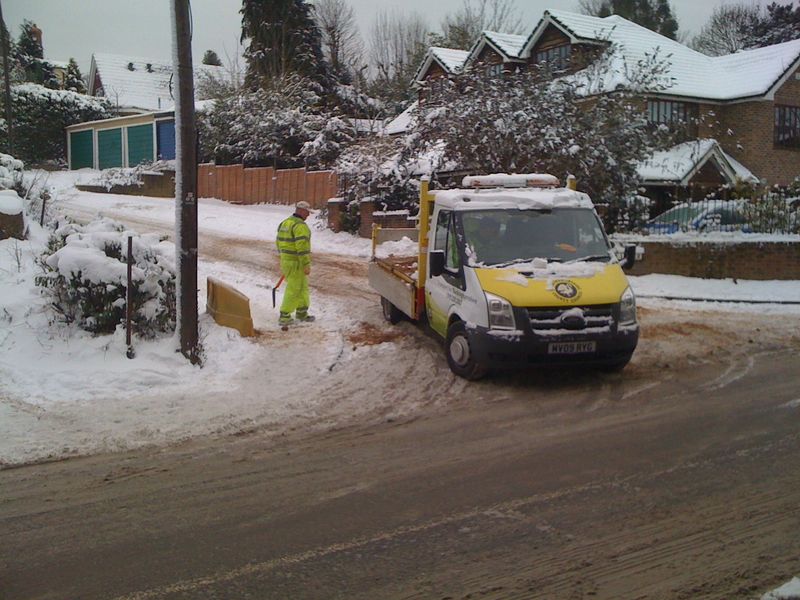
The photo above shows Buckinghamshire County Council workers treating a steep hill and replenishing a roadside grit bin in Chalfont St Giles. These workers will have been out in all hours, helping us keep moving. They earn a pittance, yet their reward will have been abuse from regulars in their local pub about their failure to clear every minor road. 

We should be praising them.

Simply snow: Britain stops in its icy tracks

IMG_5766

Yesterday, snow fell over London and South East England. Roads, railways and airports came to a standstill. A fifth of us failed to get to work.

The media didn't know how to handle this story. Should the transport system and the country's schools have coped better? Were we a country of skivers? How much money did a few inches of snow cost the economy? Did we keep going better when winter got icy 30, 40 or 60 years ago?

 Heath Junction snow 1982

Not in my experience. True, the winters of 1977/78, 1978/79 and 1981/82 were far worse than this one. (My 1982 diary shows that it started snowing at 9pm on 7 January and continued for 44 hours, until 5pm on 9 January.) But as my photo above from January 1982 shows, British Rail didn't run a service at all on the Coryton line in Cardiff, which is why you can't even see the tracks to the left of the signal box at Heath Junction. We were off school for a week as a result. (We had lessons in February half term to make up some of the lost time in our A level year.) So much for claims that schools never used to close because of wintry weather! And when we went on a school trip to London a week after the snow stopped, we had to go by coach as there were still no rail services between Cardiff and London. I cleared the drive at home the day before we set off (below).

Rob clearing drive snow 1982

Back to 2009. The media and political know-alls were proclaiming mock outrage at the fact a snowstorm could bring London to a standstill. True, it was hardly a heroic performance. But as Boris Johnson said, it hardly makes sense spending millions on snowploughs that would only be used once every 10 or 20 years. My father Bob Skinner recalled London's Hounslow Council buying Swiss snowploughs for £500,000 after a bad winter in the 1960s – only to see them sitting idle until the winter of 1982!

It's also easy to sympathise with the Local Government Association's spokesman who was given a very rough time by Radio 5 Live Drive's Anita Anand. He was trying to justify why Birmingham and other authorities had announced on Monday afternoon that their schools would be closed on Tuesday, when the forecast heavy snow locally didn't materialise. He rightly said they'd have been damned whatever they had done. Working parents needed time to arrange childcare, rather than face a problem when they turned up at the school gates in the morning. Anand at least had the good grace to concede she had been unfair, after many listeners emailed and texted in support of the LGA's man. An example of how interactive broadcasting is a good thing rather than a fad.

Tonight's 5 Live Drive show also had an excellent contribution from Philip Eden from the Royal Meteorological Society. He paid tribute to the accuracy of the weather forecasts this week, which accurately predicted the snowfalls. He pointed out that the media's obsession with simplicity and brevity reduced the benefit of accurate forecasts. And, pointing out the London-centric view of the media, he showed how the weather men's accurate description of 'London's heaviest snowfall for 18 years' became, inaccurately, 'Britain's worst snowfall since 1991'.

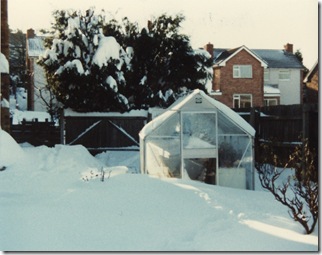
Finally, over to Michael Fish, once Britain's best known weather forecaster. Writing in The Guardian today, he said yesterday hardly counted as a blizzard, which is drifts of eight to 10 feet. Those of us who enjoyed real winters in the 1970s and 1980s could have told you that! (The photo of our garden in Winnipeg Drive Cardiff in January 1982 shows what you get when a blizzard visits your home.)

Winnipeg Drive garden snow 1982