The nightingale and the cello 1924: broadcasting’s first viral moment

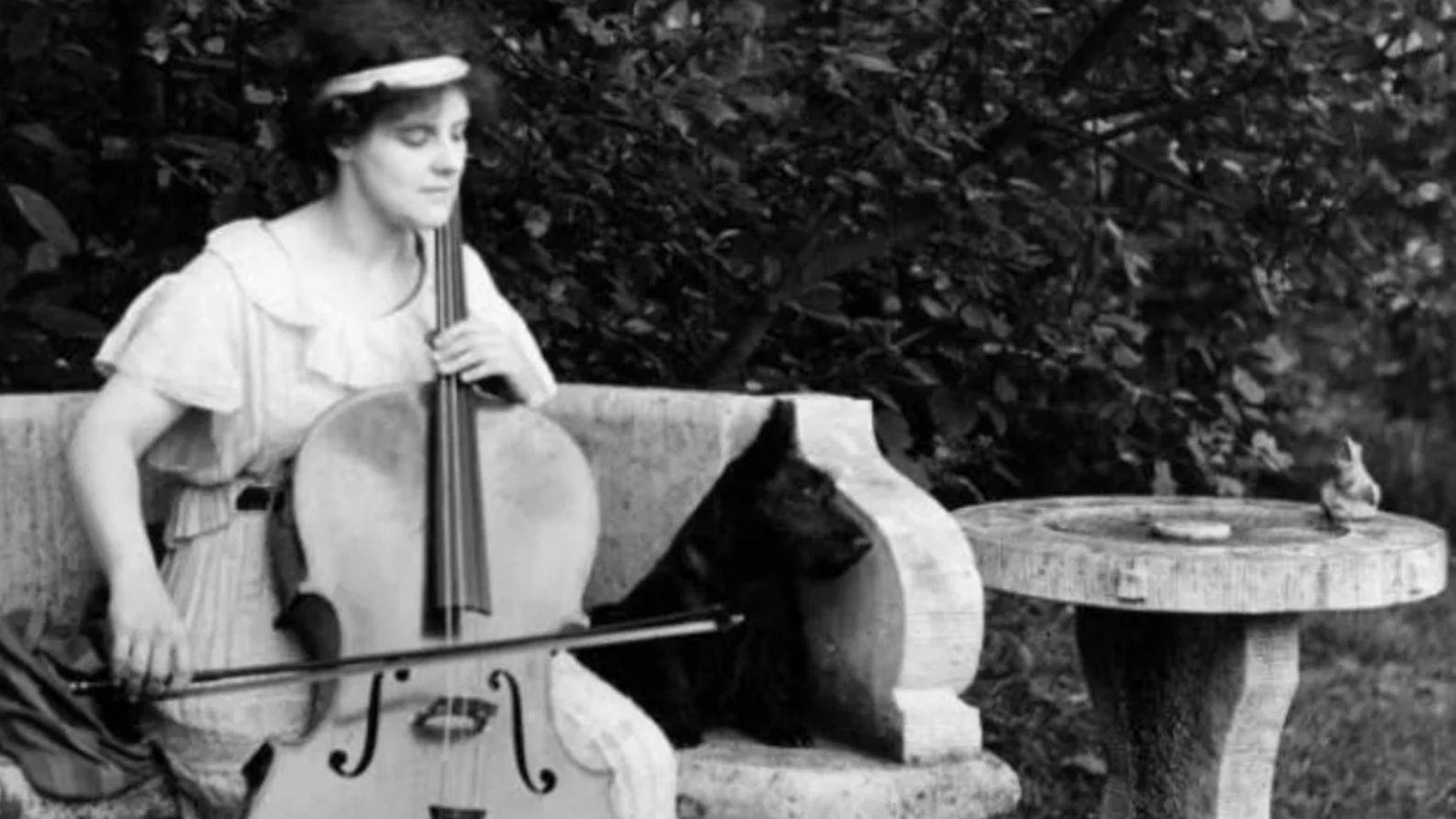
Beatrice Harrison, 1924

‘Going viral’ is such a feature of the 21st century’s online world that it’s hard to believe that a century ago a broadcast from a Surrey garden had the same impact on a country still recovering from the Great War.

On 19 May 1924, a talented cellist, Beatrice Harrison, sat on a bench in her garden to play her cello, accompanied by the magical sounds of nightingales singing. She had persuaded a sceptical John Reith, the general manager of the BBC, to broadcast the performance live.
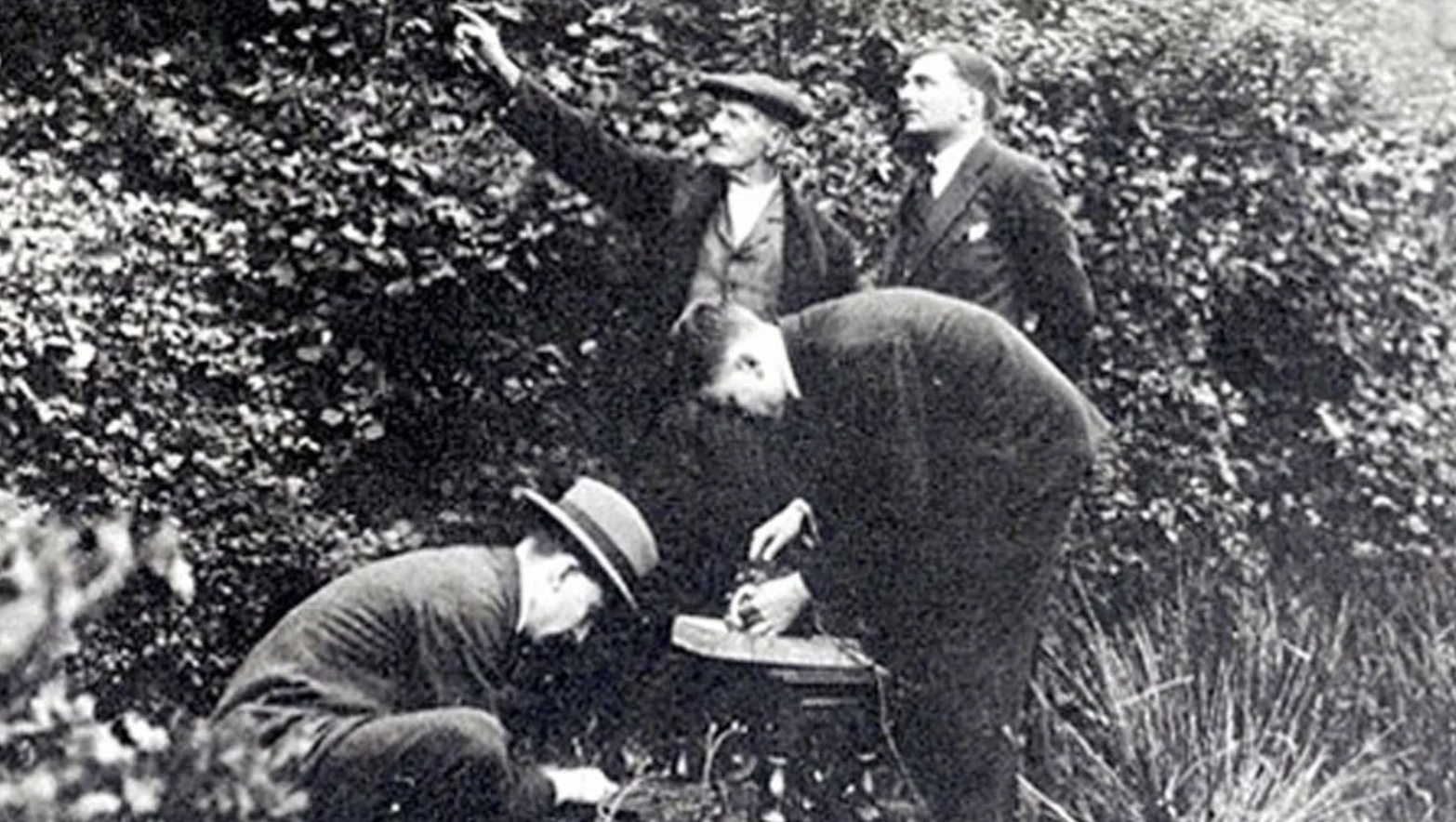
BBC engineers prepare for the 1924 broadcast

Engineers set up microphones in her Oxted garden, with leads trailing into the house to the phone socket. This very first outside broadcast was made possible by a new microphone, the Marconi-Sykes magnetophone, which was far more sensitive than earlier devices. The family donkey and wild rabbits threatened to disrupt the pioneering outside broadcast, but it went so well that the BBC repeated the performance the following month and for the next 12 years. Harrison became internationally famous, receiving 50,000 fan letters, some just addressed to ‘the lady of the nightingales, England’. Visitors from around the world flocked to her home.

Over the past few years, doubt has been cast on whether the birdsong on that first broadcast in 1924 was actually faked, with a bird impressionist stepping in when the real birds failed to appear. But a BBC Radio 3 documentary marking the centenary, The Cello and the Nightingale, sets the record straight. No recording exists of that 1924 performance and the doubters seem to rest their case on a later, commercial recording of another occasion.

I first heard the story of the cello and the nightingale a few years ago, and found it truly poignant. So many of those listening 100 years ago – in Britain and around the world – would have been traumatised by their experiences in the Great War, or by grief at the loss of loved ones during the conflict. Radio was in its infancy, and the BBC, then just two years old, used the power of the new medium to bring the beauty of music and wildlife into thousands of homes. Who can say how many troubled souls were soothed by Beatrice Harrison and her avian visitors?

There is a poignant postscript. Exactly 18 years after the first nightingale broadcast, the BBC was preparing another transmission from Oxted when Britain was once again at war. A quick witted BBC sound engineer noticed the rumble of distant aircraft. Realising that this was likely to be a bomber force heading for Germany, he stopped the broadcast for fear of alerting German spies to the incoming 197 bomber raid on Mannheim. It’s hard to imagine a greater contrast than between the natural beauty of the nightingale’s song and the destruction about to unfold in a distant German city – and the loss of 11 RAF aircraft and their crews.

There is an unexpected twist. When researching for this post, I found that Beatrice Harrison had performed in a wartime British film called The Demi-Paradise. The plot involved a Soviet inventor played by Laurence Olivier who brought his design for a revolutionary propeller to Britain. The butler laconically asks whether Miss Harrison and the BBC staff should sleep under the staircase or under the billiard table if an air raid were to take place. She is later seen playing the cello in the garden accompanied by the sound of distant explosions and with a backdrop of anti-aircraft searchlights sweeping the night sky.
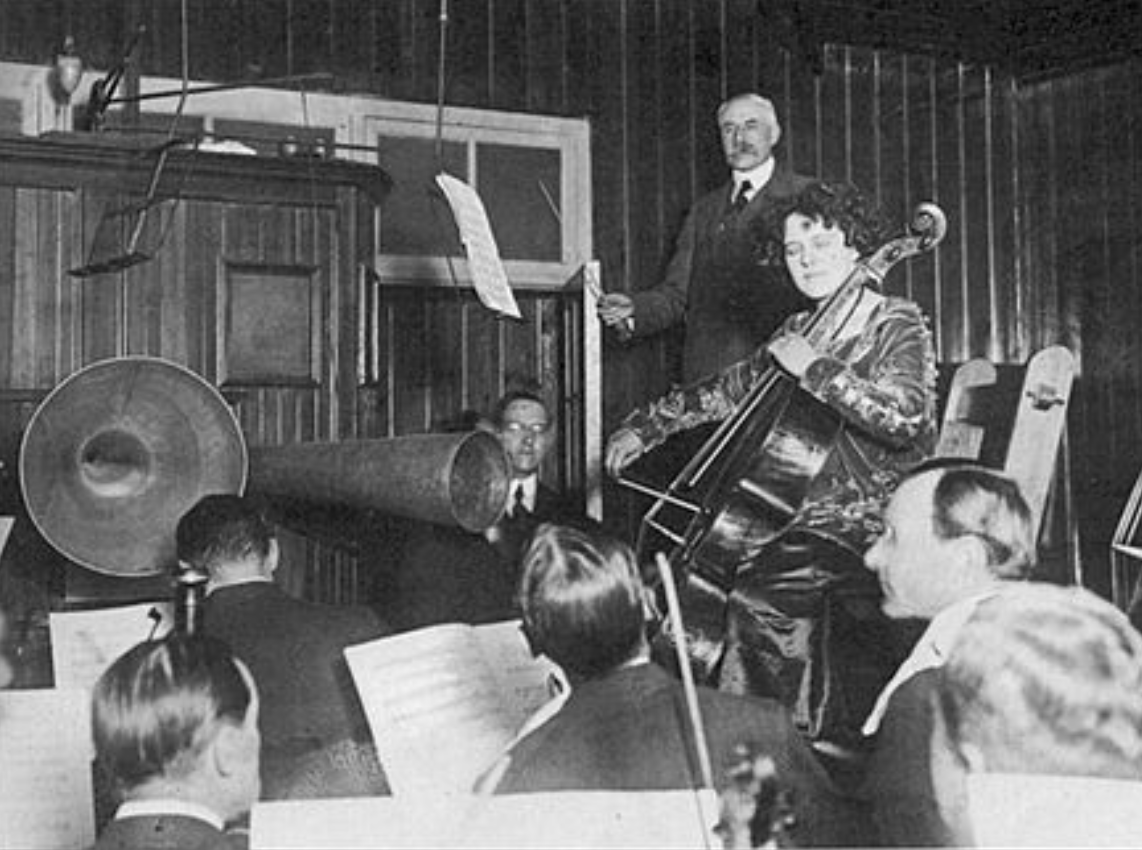
Edward Elgar and Beatrice Harrison record Elgar’s cello concerto, HMV, 1920

The BBC’s centenary documentary about the cello and nightingale broadcasts suggests that Beatrice Harrison’s reputation was distorted by the fame they bestowed on her. She was already a renowned cellist before 1924; she was Edward Elgar’s chosen performer to revive the reputation of his cello concerto after a disastrous premiere by the London Symphony Orchestra in 1919. Elgar conducted the work in a 1928 recording with Harrison, using two turntables. The dual recordings were subsequently combined to create a stereo version.

One last royal word on Beatrice Harrison’s viral fame. King George V once told her, ‘Nightingale, nightingale, you have done what I have not yet been able to do. You have encircled the empire with the song of the nightingale with your cello.’

My Dad and Wynford Vaughan-Thomas

My father Bob Skinner with Wynford Vaughan-Thomas, 1977

I was delighted to discover this photo of my late father with Wynford Vaughan-Thomas, one of the most illustrious Welshmen of the twentieth century.

Wynford was a wonderful broadcaster and writer. His first prominent role was as the BBC’s Welsh language commentator at the coronation of King George VI and Queen Elizabeth (later the Queen Mother) in 1937.

His most famous broadcast was from a Lancaster bomber on a raid on Berlin in 1943, an experience he told Michael Parkinson in 1981 was “the most terrifying eight hours I’ve spent in my life”. Like his BBC contemporary John Arlott, Vaughan-Thomas had an almost poetic way with words, which isn’t surprising given he was taught by Dylan Thomas’s father. He recalled that burning Berlin was “the most beautifully horrible sight I’ve ever seen, like watching someone throwing jewellery on black velvet, winking rubies, sparkling diamonds, all coming up at you.” He went on to compare the Berlin searchlights with the tentacles of an octopus.

The BBC radio programme Archive on 4 devoted an intriguing episode in 2013 to the raid with audio from the original 1943 broadcast, Vaughan-Thomas’s recollections and most movingly the memories of a survivor of the raid who was a Berlin schoolgirl in 1943. She tells how her mother risked death by going back into their collapsing home to rescue her teddy bear. Her interview brought to mind the terrible human cost of the Allied – and German – bombing raids of the second world war.

When I rediscovered the photo that opens this blogpost amongst Dad’s photo collection. I assumed that it was taken at an Institute of Public Relations dinner during the time Bob was chairman pf the IPR (now CIPR) Wales group in the 1970s. Sure enough, I found confirmation in a box file of Dad’s speeches and articles: the notes of the speech he gave that night:

“The champagne voice of Wales” – how apt!

Bob wrote a short history of the IPR in Wales in 1995, which was launched at an event in (I think) Newport. It includes this photo, which shows that my mother Rosemary also attended, and that the dinner with Wynford Vaughan-Thomas took place in November 1977, a day before Dad’s 51st birthday. Arwyn Owen, seen in the photo above, who ran PR for Welsh Brewers, kindly supported my application to join the IPR in 1990.

Wynford Vaughan-Thomas was a leading figure in Welsh broadcasting, and was one of the founders of Harlech Television (HTV, now ITV Wales). Not long before he died in 1987 he co-presented a wonderful television history of Wales, The Dragon Has Two Tongues. His sparring partner was the equally loquacious Gwyn A Williams, and over 13 episodes the two Welshmen argued passionately about the interpretation of the past. By common consent Williams won the debate, and Vaughan-Thomas was reduced at one point to dismiss his fellow presenter as “a Marxist magpie”.

Sadly this entertaining series has never been repeated in Wales for copyright reasons, although it has been broadcast in Ireland. It was accompanied by two contrasting histories, Wales: a History by Wynford, and When Was Wales? by Alf.

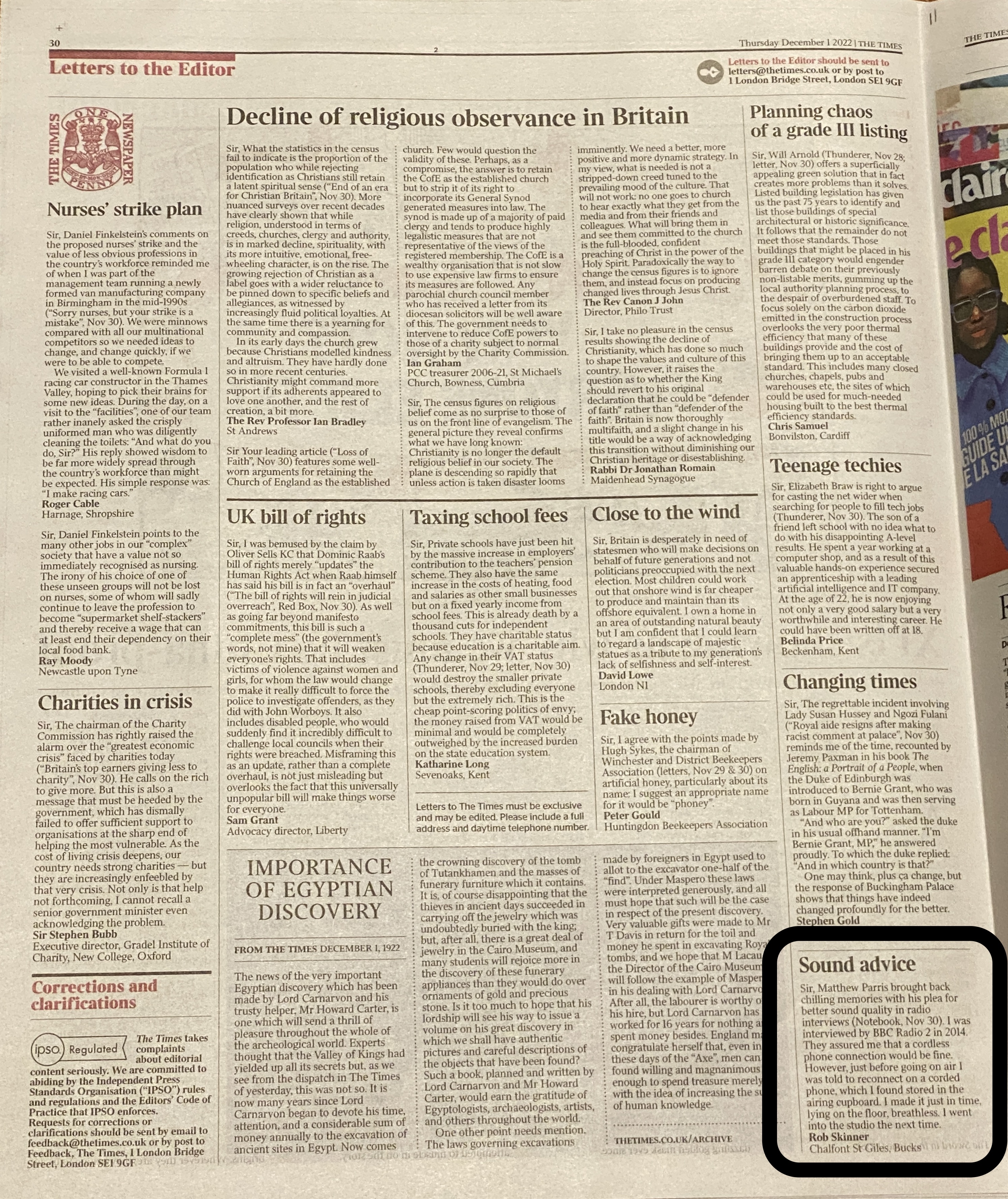
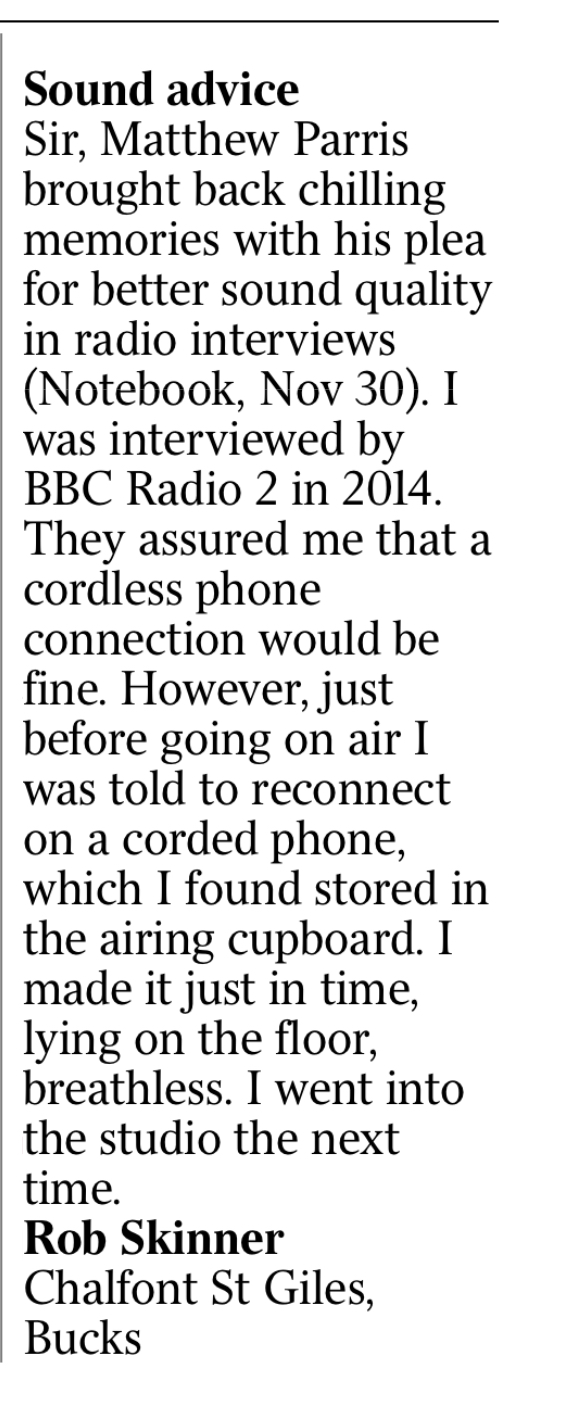
Radio panic: my letter in The Times

Bottom-right fame…

“There are, as we all know, some things in life that money simply cannot buy. The bottom-right corner of the letters page of The Times is one of them.”

So declared Andrew Riley, The Times letters editor, in 2018. Today, my latest letter to the paper appeared in that prized slot. It was inspired by Matthew Parris’s always-enjoyable Notebook column yesterday, in which he lamented the decline in audio quality on British radio during and after the pandemic. It reminded me of my alarming scare when interviewed live on Simon Mayo’s Radio 2 show in 2014.

I’m in good company: Queen Victoria once had a letter published in The Times. The late Queen’s epistle was in response to speculation about her resumption of public appearances following the death of the Prince Consort three years earlier. Mine may be seen as trivial in comparison. But I made the coveted bottom-right corner..

In his column explaining what makes a good letter for The Times, Andrew Riley urges brevity. He quotes the late Times literary editor Philip Howard’s warning that “the most common reason for the rejection of a letter for publication is overwriting”. Riley adds that it is hard to consider a letter if it’s substantially more than 200 words. Mine was just 78 words. I wrote it on the train to London after enjoying Parris’s column over a coffee. (Travelling by train remains an enjoyable experience despite the vagaries of incompetent management and strikes for better pay.) My last published letter, about the accents of Cardiff’s old Tiger Bay docklands, was even shorter at 51 words.

Brevity is a noble aim, whether writing to The Times or giving a presentation. It’s a human instinct to keep going. But knowing when to stop is a gift that others will value.

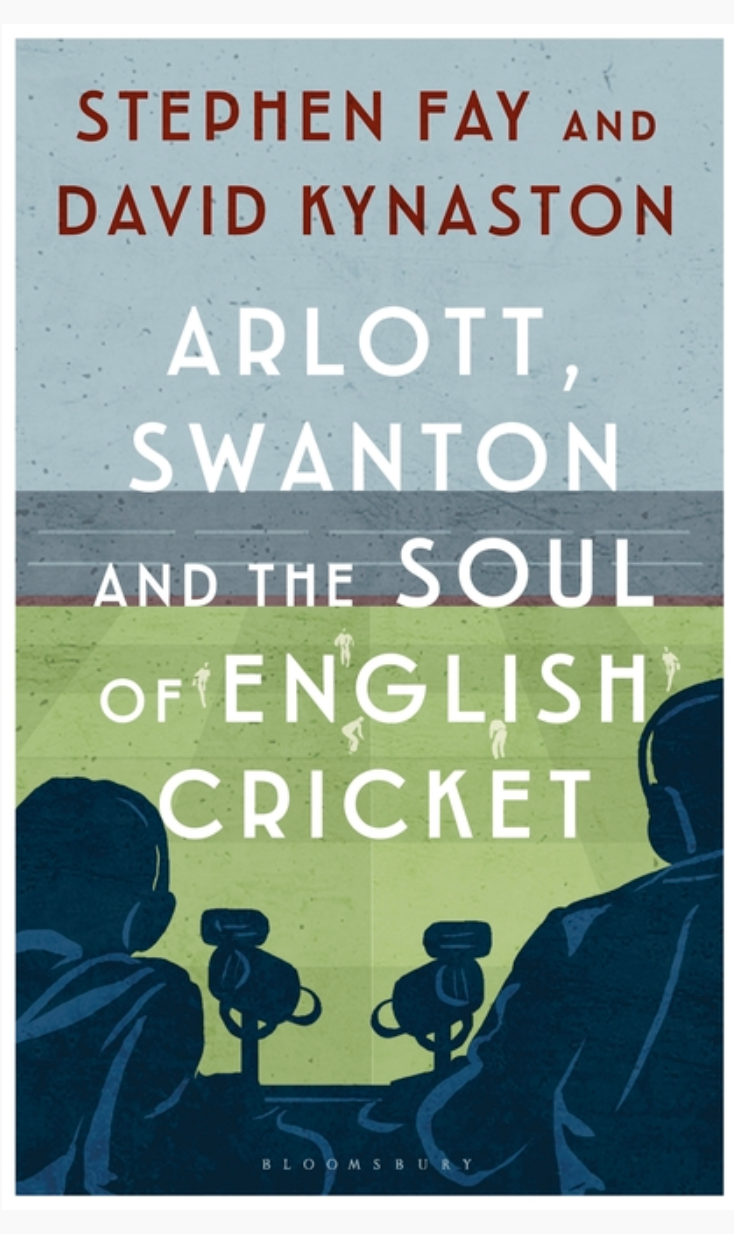
Arlott, Swanton and the Soul of English Cricket

Screenshot 2020-07-03 at 15.28.51Growing up in the 1970s and early 1980s, the BBC’s Test Match Special was my summer soundtrack. I loved the ritual of turning on the radio just before 11am in time for the start of play in a test match. It was a treat to hear the rich Hampshire accent of commentator John Arlott, the voice of cricket. Arlott also wrote for The Guardian, taking on the mantle of the legendary Neville Cardus.
The other great name in cricket journalism during the mid 20th century was EW (Jim) Swanton. The two men were chalk and cheese yet Stephen Fay and David Kynaston’s wonderful book Arlott and Swanton and the Soul of English Cricket shows unexpected similarities. Most notably, both men hated racism and were appalled by South Africa’s racist apartheid laws, which segregated races and treated non-whites as second or third class citizens. As pressure grew to cancel South Africa’s 1970 tour of England, Arlott said he would not broadcast tests if the tour went ahead. And Swanton argued strongly that South Africa should field multi-racial teams. That didn’t happen until the 1990s, after the end of apartheid. More on that later.

Continue reading

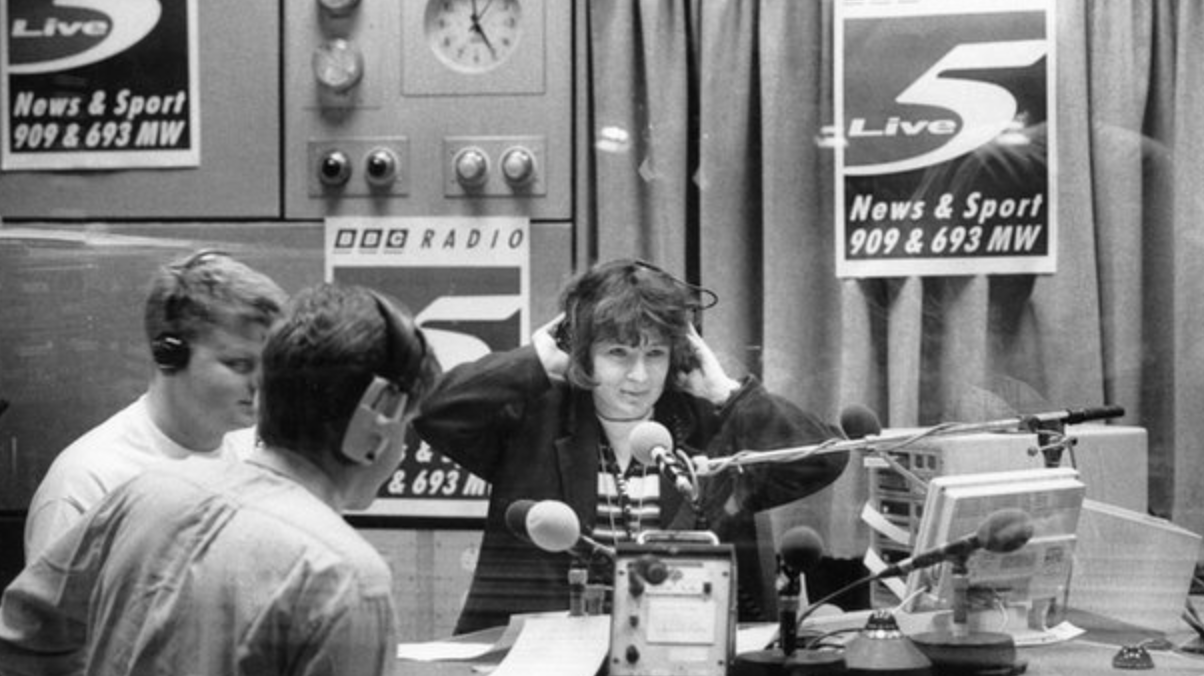
BBC 5 Live at 20

The BBC loves its own anniversaries. So it was no surprise that Radio 5 Live lost no opportunity to tell listeners that the station turned 20 years old this week.

Is it really 20 years? I remember joking about the name of the station when it launched in 1994: it sounded like 5 Alive, the fruit juice. It was the month John Major’s government was in trouble (just for a change), this time about funding of the Pergau dam in Malaysia.

I also remember an earlier fifth BBC radio network: Radio 5, launched in 1988, which broadcast an uneasy mix of sport and education programmes. Its successor station 5 Live has successfully mixed sport and news, but as Nicky Campbell said on 5 Live Breakfast today, some doubted that 5 Live would be any more successful with its own mix of sport and news. It has proved the doubters wrong.

I was a teenage fan of Radio 4’s Today programme, but during my forties I felt more at home with 5 Live. I like the more informal approach, and the banter amongst the presenters. The newer station can also be harder hitting: I blogged last year about Nicky Campbell’s brilliantly forensic demolition of hapless Blackberry boss Stephen Bates. Peter Allen is equally incisive.

I did feel nostalgic this afternoon listening to Peter Allen reunited with Jane Garvey on Drive. And their mention of former travel news reader Jo Sale took me right back to my early days regularly listening to the station in early 2005.

Here’s to the next 20 years. You can bet the BBC is already planning the 40th anniversary programmes. PS: look out for the half century celebration of Radio 1, 2, 3 and 4 in 2017…

Jane Garvey, Adrian Chiles and Marcus Buckland on 5 Live's launch day. Photo: BBC

Jane Garvey, Adrian Chiles and Marcus Buckland on 5 Live’s launch day. Photo: BBC

Remembering Tony Greig and Christopher Martin-Jenkins

Cricket lost two legends as 2012 gave way to 2013. First Tony Greig, the South Africa-born 1970s England captain. As if that wasn’t enough, within three days the voice of cricket, BBC commentator Christopher Martin-Jenkins lost his battle against cancer.

Both featured heavily in my 1970s teenage holidays. Cricket was the sound track to my summer, courtesy of the BBC’s Test Match Special (TMS) and I loved Tony Greig’s confident style and sense of humour. I was enthralled in the hot summer of 1976 by his wonderful partnership with Alan Knott in the Leeds test against the West Indies. (Both scored 116.) It was the highlight of a disappointing series for England, and I remember listening to the latest collapse on the radio as we enjoyed the heatwave at Tintagel.

Greig looked foolish after his boastful claim that his team would make the West Indies grovel. (Although a 3-0 series defeat looked good compared with the 1984 whitewash.) Yet Greig’s sense of humour won friends, as his team mate and friend Mike Selvey explained in a Guardian tribute.

Christopher Martin-Jenkins (CMJ) was the voice of reason in the often chaotic TMS commentary box. As the years went by, his authority grew and it’s not unreasonable to argue that he was cricket’s greatest reporter – on air and in print.

They’ll both be sadly missed.

Playground politicians: Woolas, Green and Huhne disgrace themselves on BBC 5 Live

If there's one thing guaranteed to turn voters off politicians (apart from an expenses scandal), it's a bad tempered and infantile argument. That's exactly what Phil Woolas, Damian Green and Chris Huhne engaged in on BBC Radio 5 Live's Drive show tonight. Presenter Peter Allen lost control as the immigration spokesmen of the main parties shouted each other down on live radio. He eventually gave up, protesting feebly at their behaviour and thanking them for coming in. They should have been given an ASBO, not a thank you. They should be ashamed of themselves.

What possessed them to behave so appallingly? They must know that this kind of behaviour leads people to decide there's no point in voting as all the parties are as bad each other. If turnout in May's general election hits a new low, Woolas, Green and Huhne must share some of the blame.