‘Going viral’ is such a feature of the 21st century’s online world that it’s hard to believe that a century ago a broadcast from a Surrey garden had the same impact on a country still recovering from the Great War.
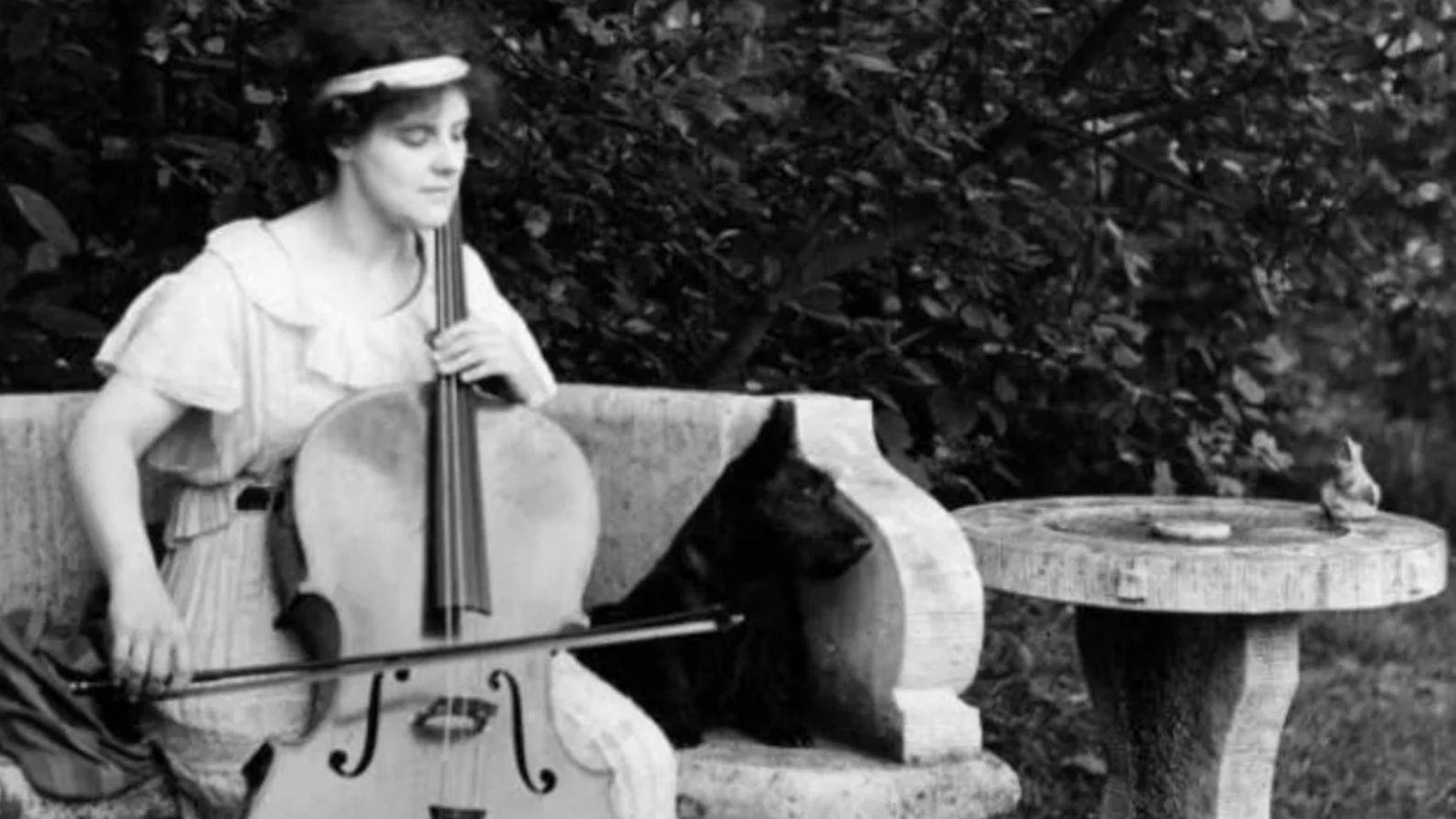
On 19 May 1924, a talented cellist, Beatrice Harrison, sat on a bench in her garden to play her cello, accompanied by the magical sounds of nightingales singing. She had persuaded a sceptical John Reith, the general manager of the BBC, to broadcast the performance live.
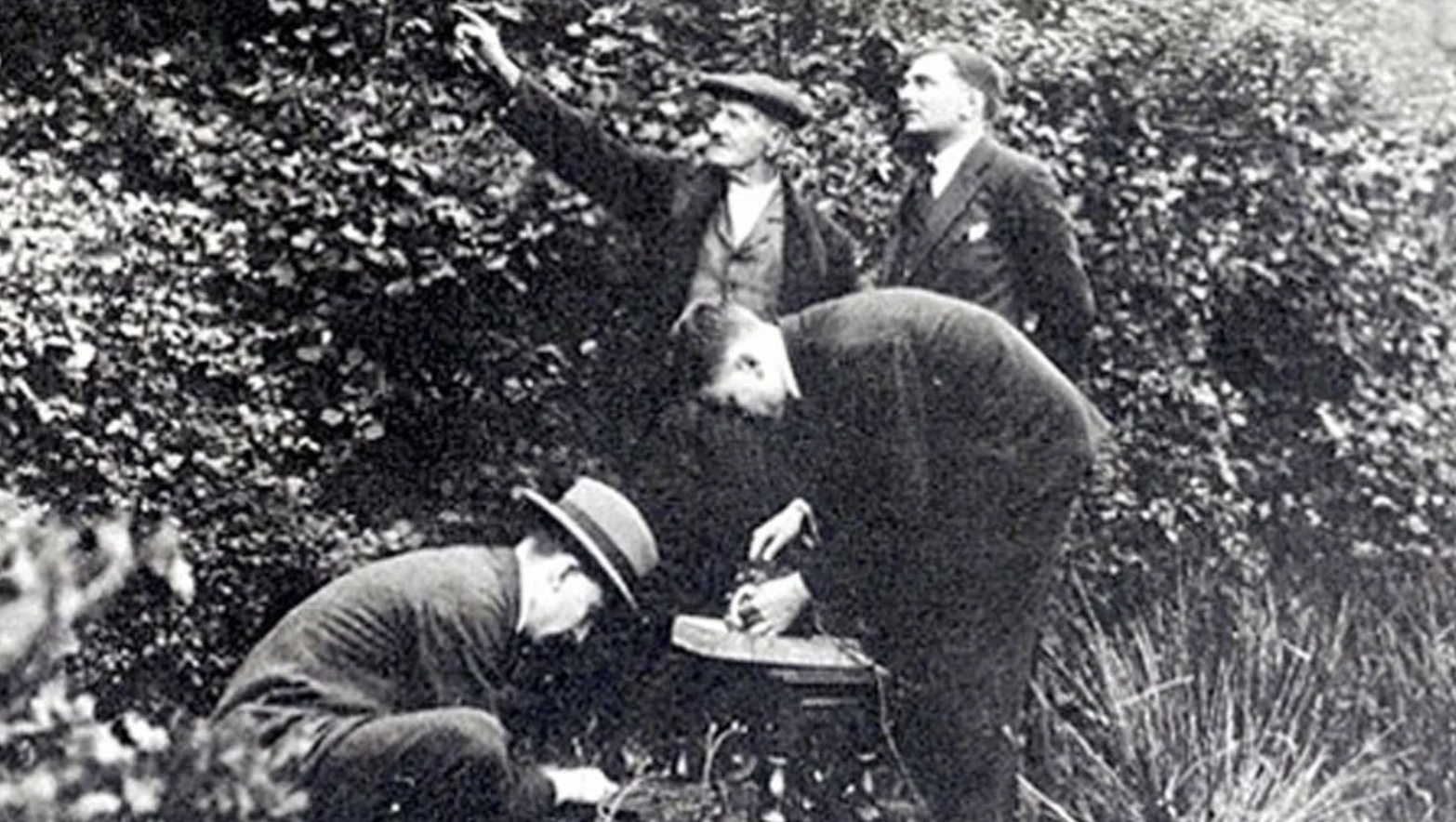
Engineers set up microphones in her Oxted garden, with leads trailing into the house to the phone socket. This very first outside broadcast was made possible by a new microphone, the Marconi-Sykes magnetophone, which was far more sensitive than earlier devices. The family donkey and wild rabbits threatened to disrupt the pioneering outside broadcast, but it went so well that the BBC repeated the performance the following month and for the next 12 years. Harrison became internationally famous, receiving 50,000 fan letters, some just addressed to ‘the lady of the nightingales, England’. Visitors from around the world flocked to her home.
Over the past few years, doubt has been cast on whether the birdsong on that first broadcast in 1924 was actually faked, with a bird impressionist stepping in when the real birds failed to appear. But a BBC Radio 3 documentary marking the centenary, The Cello and the Nightingale, sets the record straight. No recording exists of that 1924 performance and the doubters seem to rest their case on a later, commercial recording of another occasion.
I first heard the story of the cello and the nightingale a few years ago, and found it truly poignant. So many of those listening 100 years ago – in Britain and around the world – would have been traumatised by their experiences in the Great War, or by grief at the loss of loved ones during the conflict. Radio was in its infancy, and the BBC, then just two years old, used the power of the new medium to bring the beauty of music and wildlife into thousands of homes. Who can say how many troubled souls were soothed by Beatrice Harrison and her avian visitors?
There is a poignant postscript. Exactly 18 years after the first nightingale broadcast, the BBC was preparing another transmission from Oxted when Britain was once again at war. A quick witted BBC sound engineer noticed the rumble of distant aircraft. Realising that this was likely to be a bomber force heading for Germany, he stopped the broadcast for fear of alerting German spies to the incoming 197 bomber raid on Mannheim. It’s hard to imagine a greater contrast than between the natural beauty of the nightingale’s song and the destruction about to unfold in a distant German city – and the loss of 11 RAF aircraft and their crews.
There is an unexpected twist. When researching for this post, I found that Beatrice Harrison had performed in a wartime British film called The Demi-Paradise. The plot involved a Soviet inventor played by Laurence Olivier who brought his design for a revolutionary propeller to Britain. The butler laconically asks whether Miss Harrison and the BBC staff should sleep under the staircase or under the billiard table if an air raid were to take place. She is later seen playing the cello in the garden accompanied by the sound of distant explosions and with a backdrop of anti-aircraft searchlights sweeping the night sky.
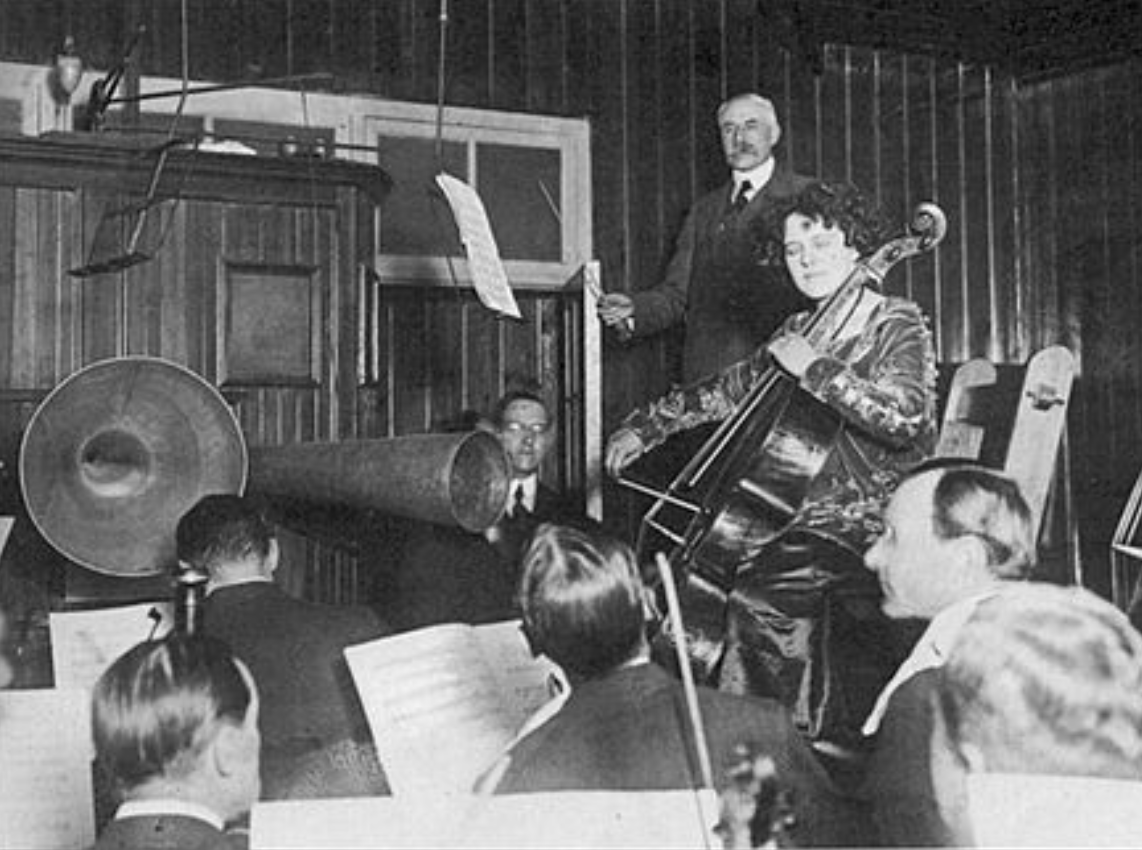
The BBC’s centenary documentary about the cello and nightingale broadcasts suggests that Beatrice Harrison’s reputation was distorted by the fame they bestowed on her. She was already a renowned cellist before 1924; she was Edward Elgar’s chosen performer to revive the reputation of his cello concerto after a disastrous premiere by the London Symphony Orchestra in 1919. Elgar conducted the work in a 1928 recording with Harrison, using two turntables. The dual recordings were subsequently combined to create a stereo version.
One last royal word on Beatrice Harrison’s viral fame. King George V once told her, ‘Nightingale, nightingale, you have done what I have not yet been able to do. You have encircled the empire with the song of the nightingale with your cello.’


 Ertblog