
RIM’s Stephen Bates – disaster in motion on BBC 5 live

If you’re a business launching a make or break product, a prime time national radio interview is a golden opportunity. Unfortunately, Research in Motion (RIM) European boss Stephen Bates completely blew it on BBC 5 live breakfast today.

He was on to explain BlackBerry 10, the long-delayed new operating system designed to compete with hugely successful Apple and Android smartphones. Yet he was unable to give a single reason to buy a BlackBerry – criminal given the importance of today’s launch.

We learned that BlackBerry was a unique proposition – whatever that means. We learned that RIM was taking the essence of the BlackBerry experience and moving it forward. Apparently BlackBerry 10 gives users a new and unique experience – though we still have no idea what that means.

Worst of all, he completely ignored the question ‘What did you learn from the iPhone?’ Repeatedly. Nicky Campbell mocked Bates: ‘It sounds like you’re reading from a press release’. Yet Bates could have turned that most predictable question to his advantage: ‘The iPhone has had a big impact, but BlackBerry 10 is better for consumers and businesses because it does X, Y and Z’.

Stephen Bates’ woeful performance – repeated on BBC TV’s Breakfast – underlines why business leaders must be able to tell their story simply and convincingly. I can’t imagine Bates speaking such gobbledegook at home. So why do so in a radio interview?

He must have expected questions about BlackBerry’s fall from grace and the rise of the iPhone and Android. He had a perfect chance to answer those questions honestly followed by a straightforward explanation of why the BlackBerry is still a must-have device that will give Apple and Samsung a run for their money.

His failure to take that opportunity is baffling.

PS: RIM has a history of disastrous PR. Former CEO Mike Lazaridis stormed out of an interview with BBC’s Rory-Cellan Jones two years ago. The company horribly mishandled its service failure in October 2011. It needs some decent PR direction before it’s too late.
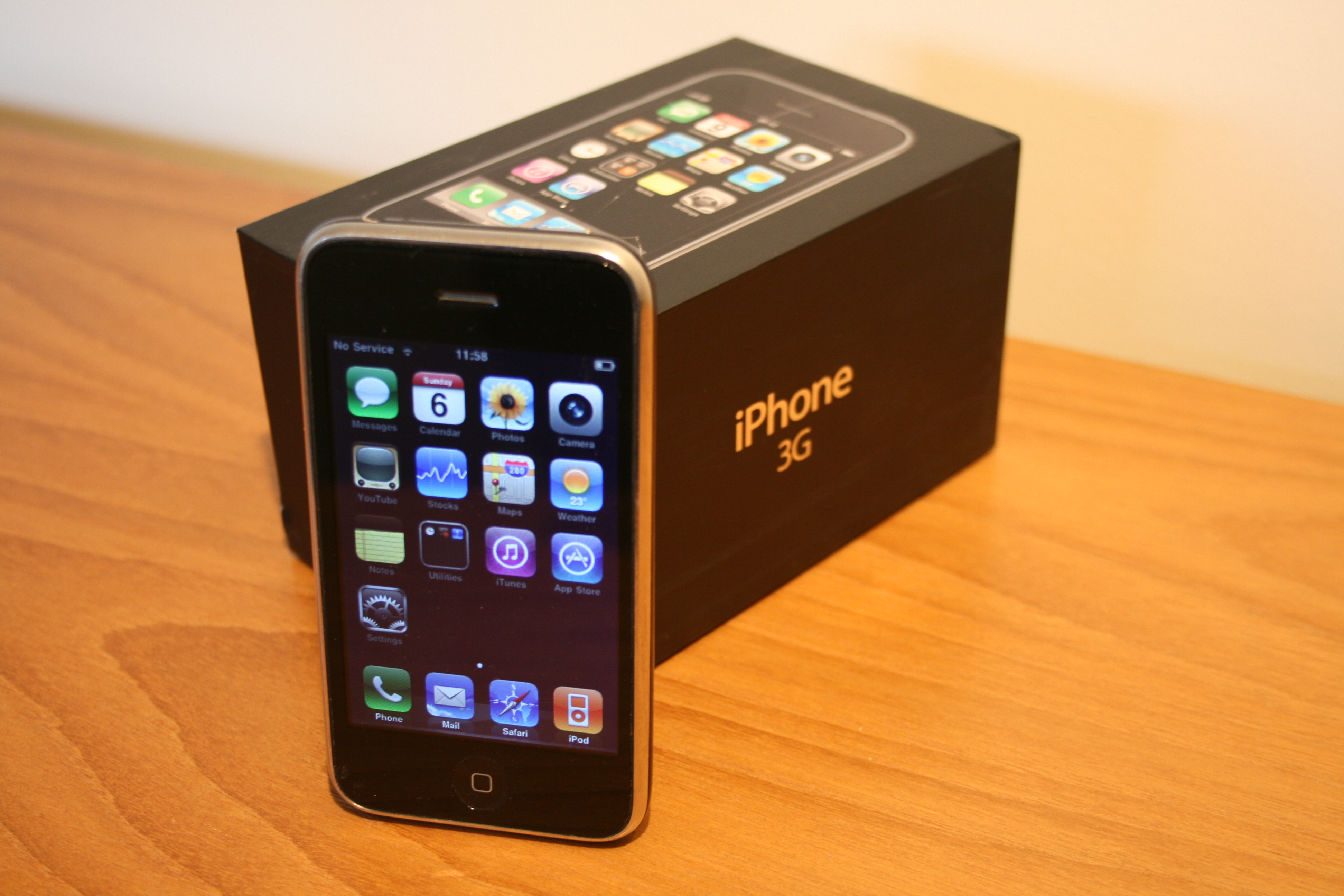
Smartphone wars: why Apple doesn’t fear Android

My first iPhone: goodbye Nokia, goodbye Sony…

If you believe the stories, the battle for dominance in the smartphone market is between Apple’s iPhone and Android phones, based on Google’s mobile operating system.

Android phones still outnumber iPhones, but a fascinating post by BBC technology reporter Rory Cellan-Jones today suggests that’s the wrong way of looking at it. Instead, we should be looking at how much money mobile phone brands are making. The answer is that only Apple and Samsung are making any money. (See also Lance Whitney’s CNET post.)

Rory links to analyst Horace Dediu‘s infographic that shows smartphone makers’ profit share over recent years. In 2007 – the year Apple launched the original iPhoneNokia enjoyed over 50% of the market’s profits. Nokia no longer turns a profit. Sony [Ericsson], Blackberry maker RIM and LG used to share some 20% of the market by profit. Again, they’ve all seen profitability disappearing. In return, Apple has gone from nothing to 73% of market profits. (Samsung has the remaining share aside from a consolation 1% for HTC.)

Back to Android. Samsung has that part of the market sewn up. Cheap Android phones are unlikely to make money for their makers anytime soon. Apple’s focus on the high end of the market, combined with its brand appeal and consumer-friendly approach, have created a revolution in a market long dominated by Nokia.  Nokia has bet its future on offering Windows Phone handsets, yet killed sales of its Symbian-based phones by declaring its plans way ahead of the switch.

It will be fascinating to see whether anyone can break the Apple and Samsung duopoly.

Why RIM’s CEO shouldn’t have fled Cellan-Jones BBC interview

The chief executive of RIM, the company behind BlackBerry, has become the latest interviewee to walk out of an interview. Mike Lazardis ended his encounter with BBC's Rory Cellan-Jones after the corporation's technology reporter asked about RIM's issues in India and the Middle East, where governments have challenged BlackBerry's encryption of messages.

The interview was set up to explain the new BlackBerry Playbook tablet, RIM's answer to the Apple iPad. But RIM's PR team must have known that Cellan-Jones would take the opportunity to raise other hot topics. At first Lazardis dealt calmly with the challenge. Had he stuck to that approach, viewers would have been reassured and left to focus on the Playbook. Instead, all the talk on Twitter and elsewhere was about the CEO who walked out. 

The golden rule of media interviews is to answer the question but bridge to your key message. Cellan-Jones appears to have given Lazardis ample chance to respond and get back to talking about the Playbook. I can't help wondering how the RIM CEO would have fared against a truly aggressive interviewer, such as Jeremy Paxman or John Humphrys…