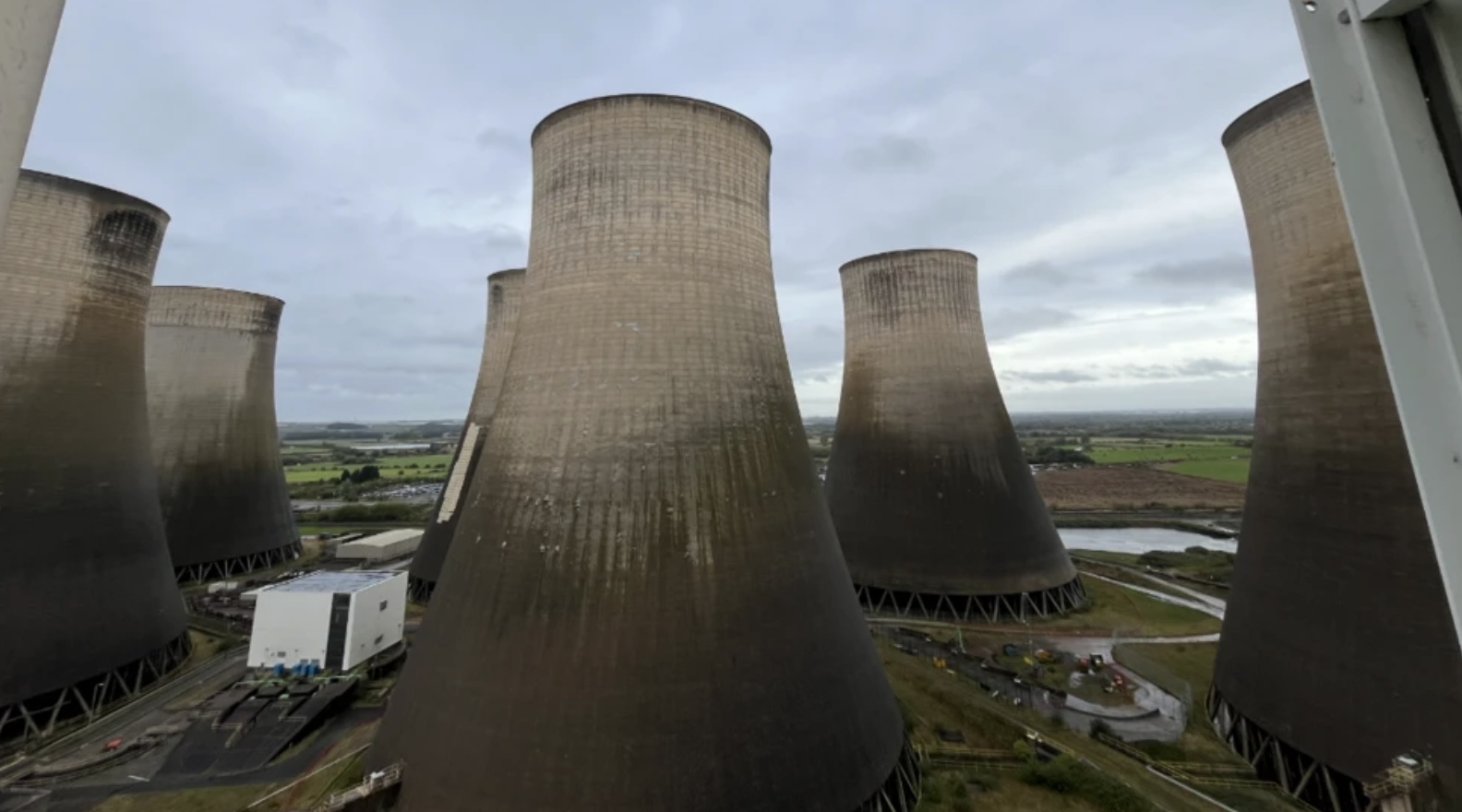
The coal age in Britain is over. The country’s last coal-powered power station closed yesterday, marking the end of 140 years of generating power from coal.
I have fond memories of that power station, Ratcliffe on Soar. On a canal holiday in 1988, we moored in the shadow of its eight cooling towers, toasting its mighty presence with a bottle of gin. It dominated the East Midlands landscape.
‘Salt and pepper’: Roath Power station, Cardiff


Over 50 years ago, my late father Bob Skinner played his part in the destruction of the cooling towers at the old Roath Power station in Cardiff. Dad told me that he pressed the button that blew up one of the two towers, nicknamed ‘salt and pepper’. Full of pride, I told my school friends about Dad’s starring role in the event that featured on the Welsh news the night before. “No he didn’t – the [lord] mayor did!’ my friend replied. Over half a century on, I will never know the truth.
Didcot Power station – the cathedral of the Vale
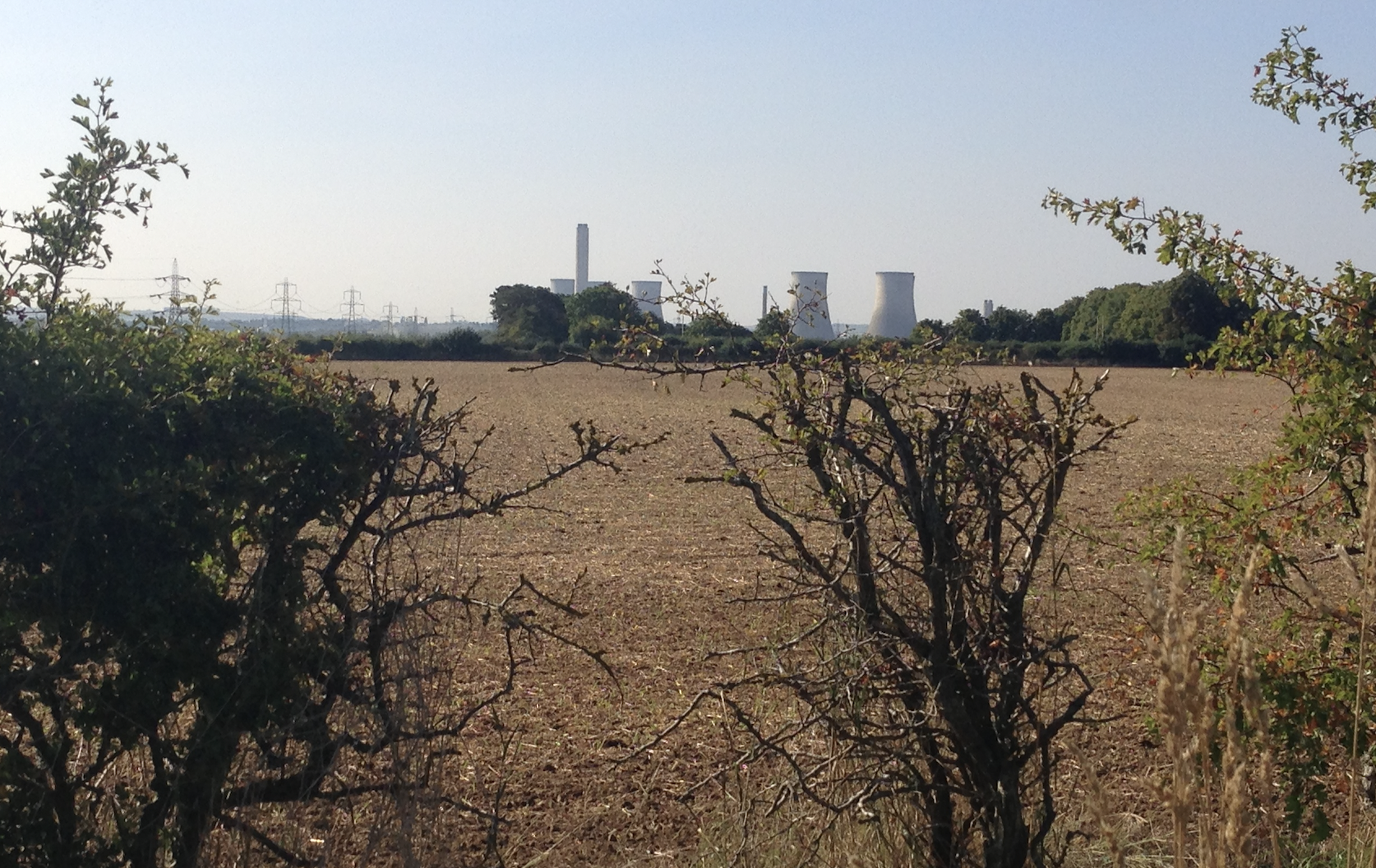

I was most familiar with Didcot power station in Oxfordshire. It was known as the cathedral of the Vale of the White Horse (though we called it DPS), as it could be seen for miles around, and was a milestone on rail journeys between London and Wales. The most striking views were from 18 miles away on the M40 motorway as it climbed the escarpment at Stokenchurch.
We mourned the loss of that iconic view after Didcot’s last three cooling towers were demolished in 2019. I hope calls to save at least one of the Ratcliffe on Soar towers are successful, so we can save part of this monument to the part coal played in powering Britain.
 Ertblog