Cycling in Britain is a safe way of getting around and exercising. According to road safety charity Brake, one cyclist dies for every 33 million miles cycled. They sound like good odds, and they’re getting better. The casualty rate has been falling over the past decade, reports Cycling UK (even after discounting the impact of the pandemic, when there were blissfully few cars on the road).
Despite all this, many people say they’re too frightened to cycle on Britain’s roads. If you’re inexperienced, a busy urban road understandably feels like a scary place. And most accidents happen at junctions, rather than on the open road. Ironically, I have found central London one of the most enjoyable places to ride a bike, even in the rush hour, as the city now has many miles of segregated cycle routes, where bikes and cars are kept apart. There’s little chance of that luxury where I live in the Chilterns.
There are things cyclists can do to improve the odds, regardless of where we cycle. Cycling UK has plenty of tips. Meanwhile, I have had two positive results over the past month in the small steps I have taken to make my local roads safer for cyclists.
Report those potholes
Potholes are a serious danger for cyclists, while causing expensive damage to bikes and cars. They are a particular danger in bad weather – when you can mistake them for mere surface water – and at night. I recently rediscovered Cycling UK’s brilliant tool for reporting potholes: Fill that Hole. (Anyone can use it – car drivers as well as those on bikes.) I got an informative response confirming that the huge hole on the A355 where it crosses M40 junction 2 would be repaired in the coming month or so after others reported the hazard. In my experience, potholes do get repaired when you report them. It takes just a couple of minutes to file a report, which can include photos.
Report dangerous drivers
My biggest concern when cycling is drivers who pass far too closely. The Highway Code requires drivers to allow a passing distance of at least 1.5 metres (5 feet) when overtaking cyclists, but few drivers follow the rules. Out on the roads of Buckinghamshire and neighbouring counties, I’ll usually experience at least one car or van passing closer than I’d like on most rides. It’s rarer for me to experience a sense of danger – but two years ago I decided to report the serious cases to the Thames Valley Police. It’s very easy to do this online: the form requests the necessary information, and you can upload video.
I’m very selective about those I report. I only act against those close passes where I felt in danger. To capture the evidence, I use a Cycliq Fly12 Sport front camera, which contains a front light as well. In my first 18 months, I have reported two drivers, and on both occasions Thames Valley Police has taken action against the driver. You can see the latest overtaking case above.
I decided at the beginning not to report every incident. As an experienced cyclist, I am not fazed by traffic, and my view is that if I’m not unduly bothered at the time there’s no reason to file a report, even if the driver hasn’t left the required passing distance. Others, notably CyclingMikey, who has reported over 1,000 errant drivers, including Chris Eubank and Guy Ritchie, are more interventionist. I am more likely to report commercial drivers as they are likely to drive further than private motorists, putting more cyclists in danger, although the first person I reported was in a private car who ran me off the road on a single track road.
I have found the Cycliq a brilliant bit of kit, especially as it is largely ‘fit and forget’. It records over earlier footage when the memory card is full, so you don’t have to worry about replacing the card, and it records for up to seven hours between charges. You can flag incidents you want to save by pressing the Q button to keep the relevant video segments.
Cycliq is the subject of negative comments online about its customer service, but I have found the camera very reliable.
The cycling revival
As I mentioned at the start of this post, cycling is far safer than many think. Modern bike brakes and lights are vastly better than when I started cycling as an adult over 35 years ago. Better still, there are far more people on bikes today, compared with when I was growing up in the 1970s – possibly the low point for cycling in Britain, when car ownership was booming and cycling was seen as a poor person’s way of getting around. Long may the cycling revival continue.
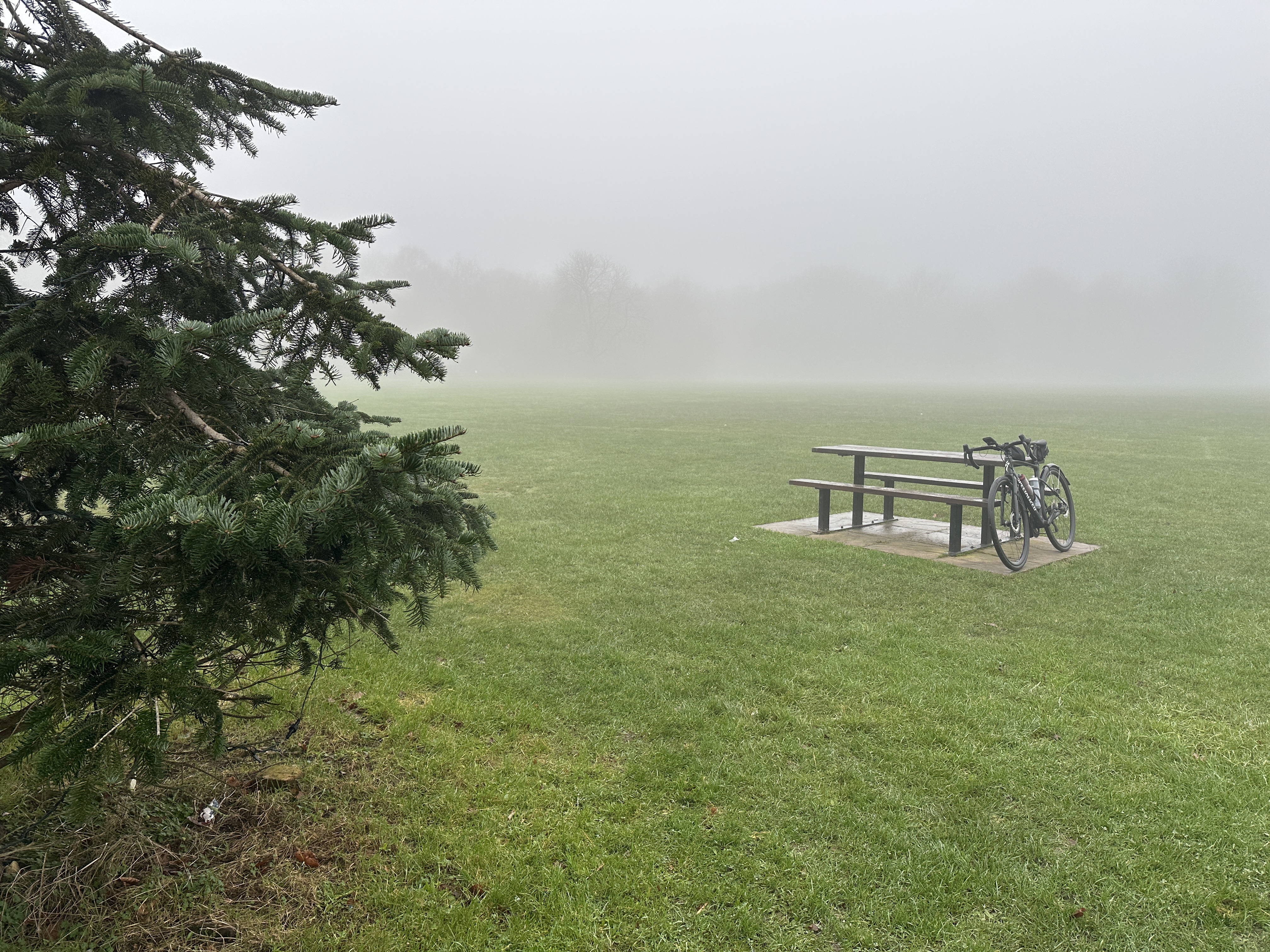
This was the moment when I cursed my decision to enter the Rapha Festive 500 challenge. I’d been cycling for over an hour, and the mist was seeping through every pore. I saw a sign for my village and mourned the fact I had another thirty miles to cycle, rather than a sofa in a warm house, to look forward to. The week’s rain-free weather forecast had led me astray – I was getting wetter and colder than I had ever imagined. I finished the Boxing Day ride – the third day of the Festive 500 – wondering if I’d finish the challenge. Yet four days later I passed the 500 kilometre finish line with a day to spare.
In this blogpost, I’ll share the lessons I learned – what went right, and more importantly how to avoid the mistakes I made. For anyone who isn’t aware, British cycle clothing company Rapha launched the Festive 500 in 2010. Participants have to cycle 500 kilometres (310 miles) in the eight days from Christmas Eve to New Year’s Eve. You can ride on roads, trails, on indoor turbo trainers and even an e-bike.
Here are my tips based on my experience in 2024.
Ask yourself: is it for me?
Cycling 500 kilometres in eight days is an achievement for most people. Yet it’s even harder over the festive period. Most people taking on the challenge will have other commitments – hosting family or friends, travelling for some of the holidays, social events and work. Can you fit in cycling 500km with these commitments? If you’re likely to have several days when you can’t cycle, will you be able to make up the miles in the remaining time? Will your family understand and support you, or will they resent not having you around ? No sensible person will judge you if you don’t make it, but it’s best to set off aware of the complications that might be the difference between success and not making it.
Weather or not…
Day 6: first sight of the sun…
It’s ironic that the Festive 500 was created by a company in Britain – a country not renowned for its fine weather, especially over the Christmas and New Year period, (The Scottish capital Edinburgh has just cancelled its Hogmanay new year celebrations because of forecast winter storms.) I decided to take part in the Festive 500 this year after seeing the benign weather forecast, but as the opening of this post suggests, it wasn’t as benign as I expected… After days of mist, it was a joy to see the sun breaking through on day 6, half way through my longest (50 mile/80km) ride of the challenge.
If your forecast suggests days of gales and rain, you can always ride indoors, or decide to wait until next year… I’d find riding 500km indoors soul-destroying, but I did ride indoors to top up shorter than expected outdoor rides.
Get organised
Set up your routes before the big day
I was full of good intentions on the first day. I’d planned to set off during the morning of Christmas Eve, but wasted over an hour trying to get my route onto my Garmin. As a result, I had less daylight time to complete the ride I planned, and as a result was behind schedule on the very first day. Lesson learned: get everything ready the day before, so you’re on the road on time.
Keep warm: layering matters
Warm and visible: Christmas Day Festive 500 ride
I’ve already mentioned that a weather forecast lured me into a false sense of security. This was an unseasonably warm Christmas in southern England, so a base layer and jacket, and summer cycling shoes would be fine, surely? For the first two days that was true, but on Boxing Day my mood took a tumble as I explained at the start of this post. Who knew that mist was so wet and cold? Yet it took another day’s ride before I learned my lesson, adding a Rapha wind-proof jersey, Sealskinz socks and Shimano winter cycling boots to my outfit. It transformed my mood, and I had my favourite ride of them all, to the lovely Velolife cafe at Warren Row for a delicious toastie. Layer up – you can always remove a layer if you get too warm.
I found my Le Col and Rapha bib tights essential wear for keeping me cosy, along with my neck warmer and full (but lightweight) gloves.
Lights – and action
If you’re doing the Festive 500 in Britain or another northern hemisphere country, you’ll not have endless daylight to complete your outdoor rides. On day one, my rear light failed as it was getting dark, which meant I finished about 10km earlier than expected. (Safety is more important.) After that, I charged my taillight every night, and also took a spare. I also wore a neon jacket to make sure I was seen by any distracted Christmas drivers.
Podcasts: my motivation for winter miles
I found podcasts a wonderful way to keep engaged and motivated on my Festive 500 rides. (A contrast with my London Wales London 400km audax ride, when I preferred silence, as I explained here.) Just before the Festive 500 began, I downloaded a stack of The Rest is History podcast episodes, and listened enraptured as the miles passed. I never expected the causes of the Great War to be laugh-out-loud amusing. It made me rethink all my assumptions about the road to catastrophe in 1914. (On a trivial note, I was intrigued to learn that the Kaiser signed the order mobilising Germany’s armed forces at a desk made from wood from Nelson’s flagship HMS Victory, and that British foreign secretary Sir Edward Grey visited London Zoo the day Britain declared war on Germany.)
Adapt your plans as needed
Plotting my rides
As mentioned earlier, in the early days of the Festive 500 I was falling short, because of disorganisation and the mist that hit my morale. By day four, I realised that adding indoor miles was the perfect solution. I confess that I don’t enjoy indoor cycling – gamification can only go so far in relieving the tedium – but I wouldn’t have completed the 500km with a day to spare without my Wattbike Atom smart trainer, Rouvy and Zwift.
In much the same way, keep a close eye on your local weather forecast. One of the reasons I delayed my initial daily starts was the hope that it would be warmer at 1pm than 11am, but in truth it made little difference. By contrast, if you’re expecting strong winds later in the challenge, get your big rides in early – or go indoors.
Don’t let setbacks get you down
The moment I saw my bike crashing to the ground, I knew it wasn’t good news. I set off anyway, on what should have been my longest cycling day yet, but as soon as I started climbing I knew that I’d be returning home. The derailleur hanger was bent, preventing me using most of my gears. This is where N+1 comes in: the idea that the ideal number of bikes to own is one more than you currently have. As I’ve been following that philosophy for years, I put my damaged bike in the garage and set off on a shortened route on my Specialized Roubaix.
If you’ve only got one bike, this might not be an option, but you might be able to see if your local bike shop – or mechanically-minded friend – can repair your mount.
Above all, accept that setbacks will happen. And if you prop your bike against the garage door, or farm gate, make sure the drive side is facing in, so the derailleur doesn’t take the impact if the bike falls over…
It’s all in the mind…
The secret to success in most cycling – and life? – challenges is in the mind. If you’re setting off on a cycling journey, those first pedal-strokes are the hardest. I explained in my London Wales London post that I soon realised that noting that 2.4km represented one percent of the total was a one way path to madness. On a more modest scale, I do recommend ditching the idea of clocking how many kilometres you still have to cycle. Just keep those pedals turning.
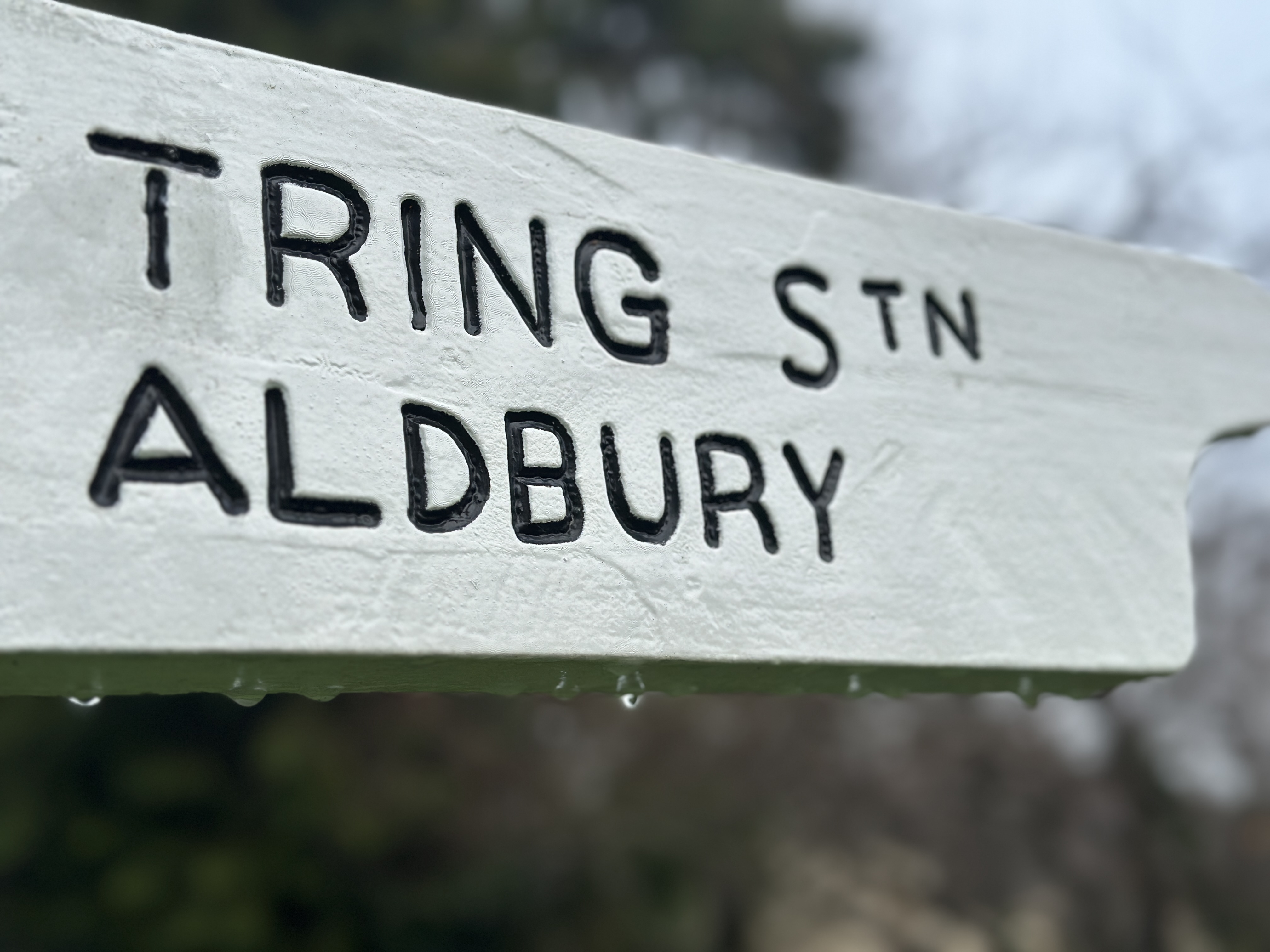
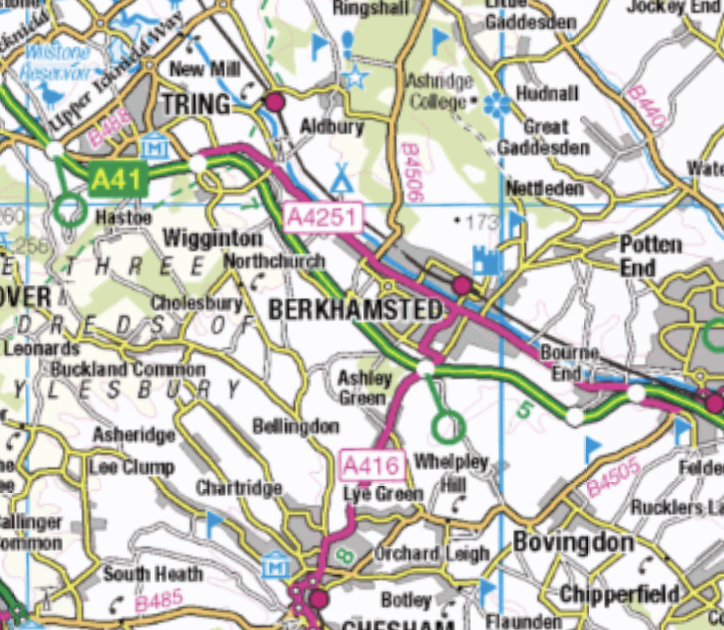
t’s a wonderful moment: completing a serious cycling challenge. Cycling 500km (310 miles) over the Christmas holidays is no mean feat, especially with family commitments. And let’s be honest, setting off into the cold and mist when the alternative is eating and drinking in a warm house takes commitment. On my longest (80km) Festive 500 ride, I kept alive the option of cutting my route short. Yet as I cycled north, the mist was replaced with a weak sunshine, and the easy riding north of Tring, Hertfordshire. (And all the while, Dominic Sandbrook and Tom Holland were telling their enthralling story about the outbreak of the Great War on The Rest is History…)
Enjoy your food and drink
Chiltern Velo cafe, Hawridge, near Chesham
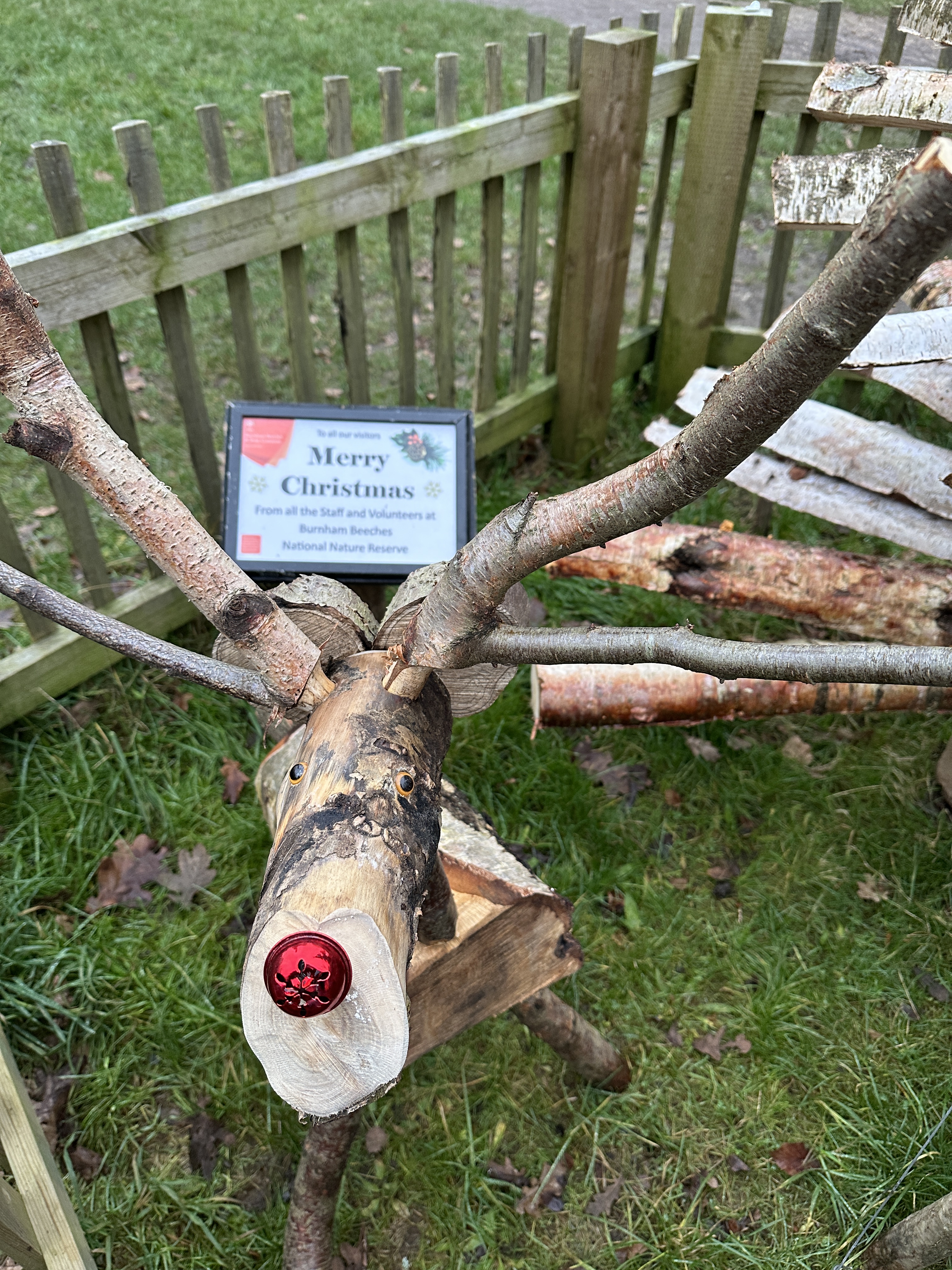
It’s easy to forget that winter cycling needs fuel. For a few of my rides, I forgot to take an energy bar but happily always found a cafe or shop when I needed to refuel. My favourite Festive 500 memories are of my lunches at Chiltern Velo and Velolife cafes – and the cafe at Burnham Beeches. (Kudos to Velolife for posting its Christmas opening hours online – very helpful for route planning.)
Head for the hills – or the flat?
The joy of easy climbing: Christmas Day
Put bluntly, the challenge is 500km: you get no extra kudos for climbing. I was amused to see that Rapha shared a participant’s 154 mile ride in Asia, but noticed that this rise involved 1,000 feet less climbing than my 50 mile ride on day 6…
In short, add ascents if you wish, but don’t feel it’s compulsory. One of the reasons that my Boxing Day ride was a struggle was that it was a switchback. I always prefer routes that ascend, stay at the summit level, and then descend, rather than follow a rollercoaster profile.
Don’t neglect family and friends
You may love the idea of bagging the Festive 500 trophy. But remember: there are more important things in life than cycling. Really…
I was very mindful that while I was completing the challenge I wasn’t taking the dog for daytime walks, let alone ironing or cooking. So make sure you talk to your family about what is negotiable and what isn’t. So if you have loved ones staying, don’t assume your partner will happily entertain them for five hours while you’re cycling unless they’ve told you this is true…
Ride somewhere different
I don’t know about you, but I ride the same routes all the time. Yet on the Festive 500 I looked for new places to go. We live just a handful miles of the border between Buckinghamshire and Greater London, but I’d never cycled from home to London until day 3 of the Festive 500. Similarly, I’d only ever ridden north to Mentmore (the location of the famous country house sale of the century in the 1970s) in the spring and summer on century rides. There’s a joy in seeking new routes to send the heart singing.
Look after your bike
I’ve already said you need to adapt should you hit a mechanical. It’s better, naturally, to try to avoid any mechanical problems. Keep on top of maintenance, checking tyre pressure, washing your mount and ensuring you have spare inner tubes, pump and all the other essential kit to keep you on the road.
You’ve done it!
Screenshot
I was thrilled to complete the Rapha Festive 500 a day early. But what next? Are you inspired to go further – perhaps Land’s End to John O’Groats? Just do it!
You can read my day by day account of my successful Festive 500 challenge here.








 Ertblog