Echoes of 1939

Some years are associated with tragedy and the horror of war. For example,1914: the year the lamps went out all over Europe (in the poignant words of Sir Edward Grey) at the start of the Great War; 1916: the year of the cataclysmic battle of the Somme. And in Wales 1966: the year of the tragedy of Aberfan.

Nicholas Winton and the Kindertransport

Over the past few days, I have been reflecting on another of those ill-starred years: 1939. Yesterday, we went to the cinema to see One Life, the brilliant film about the life of Sir Nicholas Winton, who played a key role in saving 669 children from the murderous Nazis in Czechoslovakia. He helped arrange for them to be brought to Britain in the spring and summer of 1939. Tragically, the very last Kindertransport train was halted on 1 September 1939 after Hitler invaded neighbouring Poland. The 250 children on board, so close to salvation, were seized by Nazi thugs, and only two survived the war.

The film is heartbreaking and heartwarming in equal measure. Heartbreaking because it highlights the agonies that so many people, especially the Jewish people of Europe, suffered at the hands of the Nazis, and because we are so aware that similar hatred is causing misery once more, especially in the Middle East and Ukraine. But heartwarming because good people like Nicky Winton, his mother Barbara, Doreen Warriner, Marie Schmolka, Martin Blake, Beatrice Wellington and Trevor Chadwick went to extraordinary lengths and (for those in Prague) considerable personal danger to save others. It was especially poignant to see the recreated scenes at Prague’s railway station as parents waved off their children, knowing they themselves would probably never see them again.

Continue reading
Please, no more Aylan tragedies

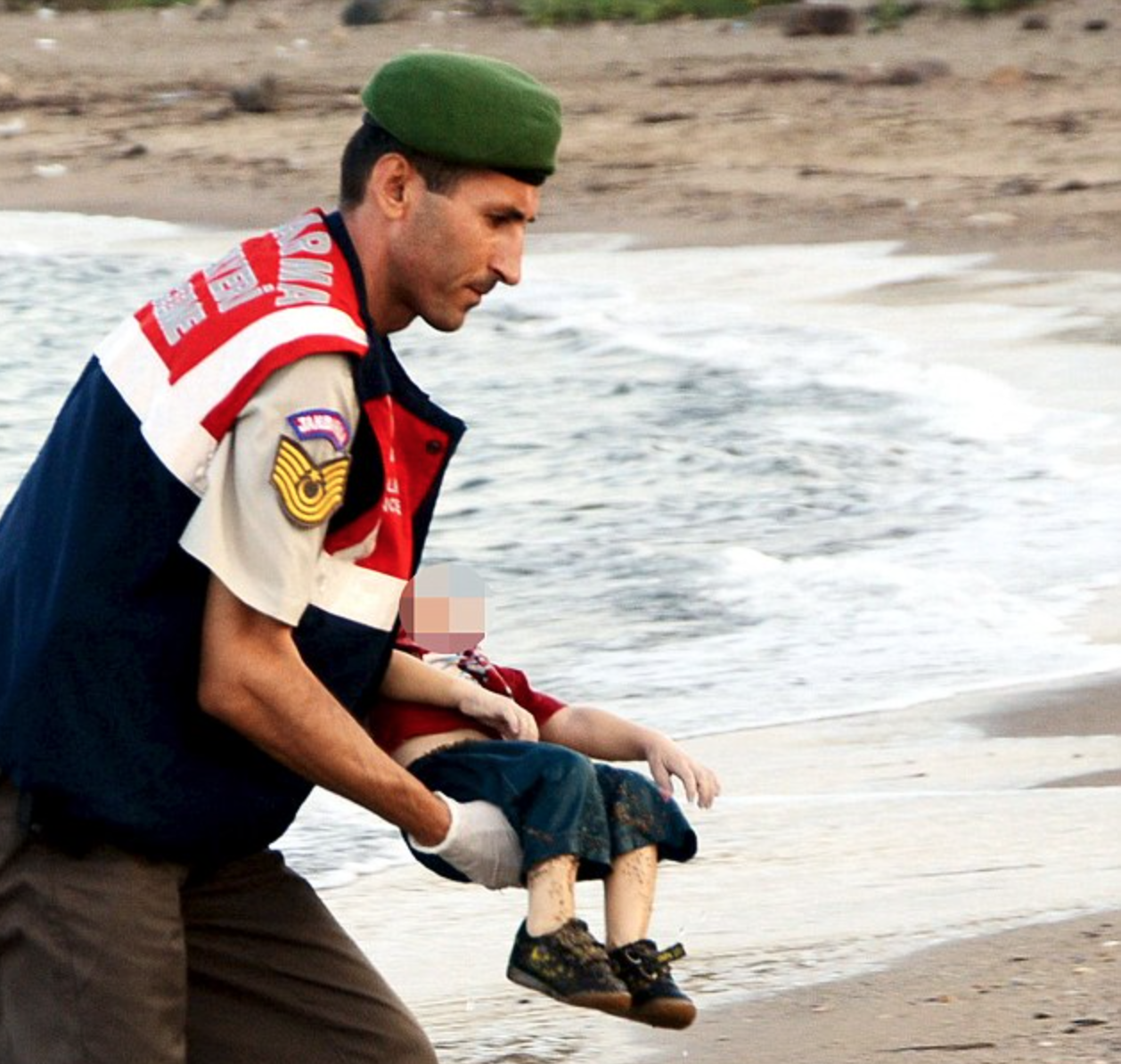
Please let Aylan be the last victim

Please let Aylan be the last victim. Photo: Reuters

This tragic image shook Europe into action. It shook an unthinking and uncaring continent into thinking about the tragedies unfolding every day, and rethinking its prejudices. Aylan Kurdi, we will honour your memory and make sure your short life has a historic legacy.

At last, the likes of Britain’s Daily Mail realised that the people fleeing to Europe were refugees desperate to escape death and persecution in the Middle East and North Africa, rather than opportunists seeking European welfare. I applaud Germany and Austria for their warm-hearted welcome for thousands of refugees. How I wish that David Cameron’s government could have shown a fraction of that humanity. How petty and uncaring these millionaire politicians appear as they turn their backs on the tragic flow of desperate people who simply want a safe future for their families. And how shocking it is that the London Standard newspaper thought Eurostar disruption was the story, rather than the plight of desperate refugees.

Over 40 years ago, a very different Conservative government welcomed to Britain some 30,000 Ugandan Asians who had been expelled by murderous dictator Idi Amin. The new arrivals made a significant contribution to the life and economy of Britain.

It has been hugely encouraging to see the positive response on social media to a more human approach to the crisis. That most intelligent commentator, Mathew Parris, said: “What kind of primitives have we become that we need to see a drowned person before we acknowledge to ourselves that people are drowning? Did we not know, had we not read, that migrant children drowned?” So true, yet sometimes one stark, appalling image transforms opinions. The best solution is surely to make the refugees’ homelands safe for them to stay or return – but over a decade of Western military interventions in the region has corroded our reputation.

How sad that the summer of tragedy on Europe’s beaches saw the death of Sir Nicholas Winton, ‘Britain’s Schindler’. Then as now, Britain was slow to help people desperate to flee death and persecution. Then as now, bureaucracy was a killer. Yet the wonderful Winton secured safe passage in 1939 for over 600 children from Czechoslovakia. The story has an echo in Mr Gruber in the wonderful film Paddington, with its echoes of the Kindertransport. How apt and poignant that German and Austria have been quicker than Britain to welcome the 2015 counterparts of the families of 1939.