
I sighed when I read this letter in The Times. Mr Belton is clearly good at a pithy rant. But his verdict against British Rail is wearily familiar and unbalanced. At least he didn’t mention the sandwiches, unlike a follow up correspondent who wrote a fair defence of the old nationalised rail network, yet fell for the sandwich myth:

Rail historian and commentator Christian Wolmar disposed of the sandwich cliche in his excellent 2022 history, British Rail. As he points out, the company pioneered shrink-wrapped sandwiches, and restauranteur Prue Leith served as a British Railways Board director. Yet long before social media flooded the world with misinformation, the myth of the curling, stale British Rail sandwich went viral, and has outlived the state owned network by three decades. The former Tory transport secretary Grant Shapps predictably promised that his (unrealised) restructuring of the rail industry wouldn’t mean ‘going back to the days of British Rail and its terrible sandwiches’.

British Rail’s track record (pun intended) was better than that of the Johnson, Truss and Sunak governments Grant Shapps served in. Especially in its last decade, when BR was rated as showing the highest level of productivity of almost all of Europe’s railways. (Oxford Companion to British Railway History, 1997.) On average, it shed 10,000 staff a year over its 50 year life, yet created a generation of outstanding leaders, such as Chris Green, John Prideaux and Robert Reid, several of whom served BR’s privatised successors.
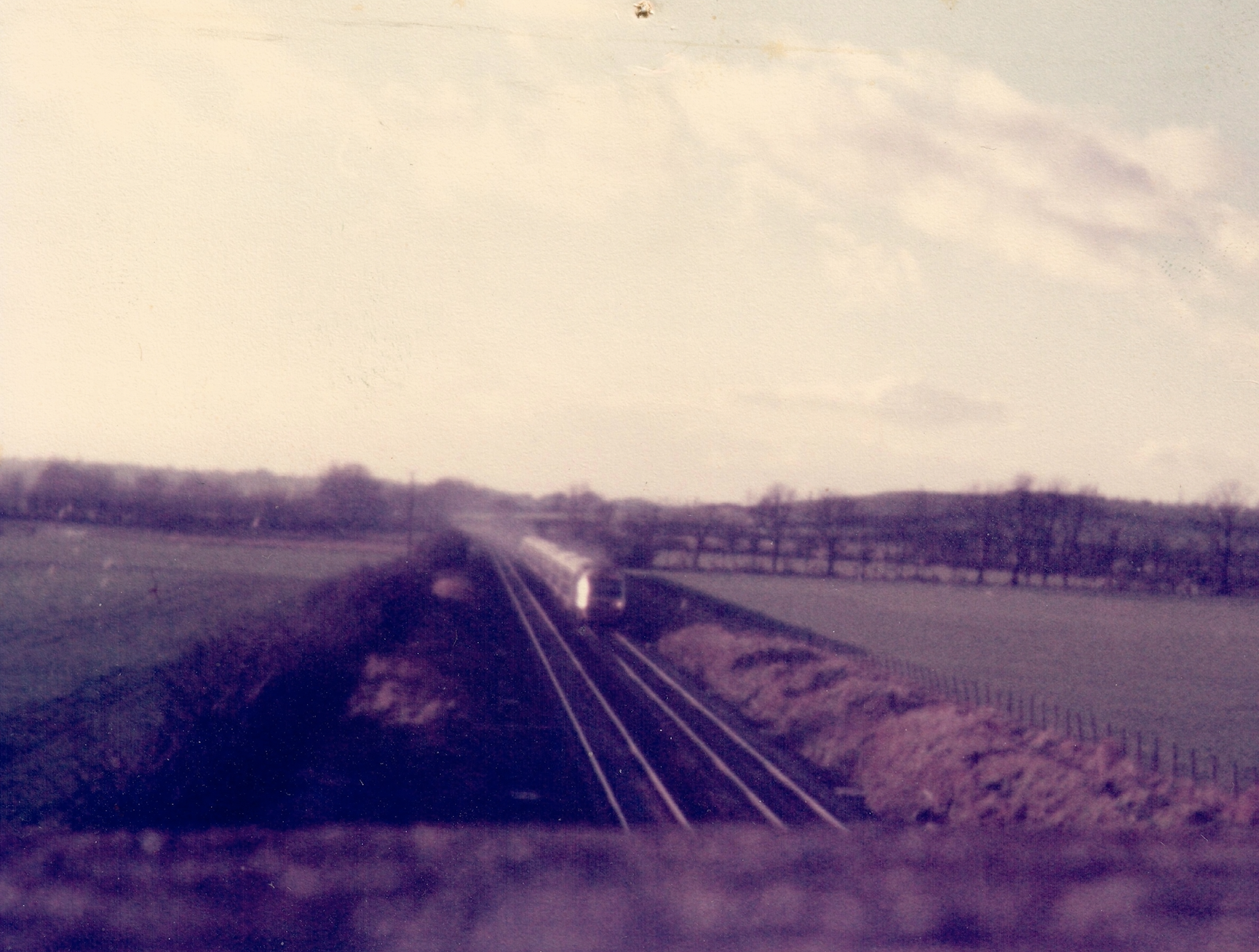
I had first hand experience of BR as a teenager and adult, especially after moving to London in 1987. For several years, I took advantage of BR’s ‘weekend first’ offer to upgrade to first class for just £5, which made the Sunday return from Cardiff to Paddington a tranquil experience. Those journeys were in the classic InterCity 125 high speed train, one of BR’s greatest achievements, as I blogged here. (I was less impressed by the products of BR’s in-station burger chain, Casey Jones, which surpassed McDonald’s for greasy food that was an unwise choice after a few pints.) From the 1960s onwards, BR marketing was outstanding, selling the benefits of train travel and new services with wit. (Although its use of Jimmy Savile was a mistake in hindsight.) And like many families, we took advantage of BR’s Persil two for one ticket promotion in the late 1970s – the only way I was ever going to travel first as a teenager, as Dad could match his work ticket with one for me.
Yet I’m no apologist for what BR got wrong. In the early 1990s, commuting into Waterloo from Teddington was an often painful experience. I’d often wait for ages after my train was due wondering whether it would ever turn up. One morning, we got a mainline train in place of our commuter one, and I piled happily into the first class compartment, knowing that the guard couldn’t charge extra as there were no first class fares on the Teddington routes. Others showed typical British hesitation, and stood for 40 minutes in standard class.
A decade later, I was commuting on the privatised Chiltern Railways into Marylebone. It was usually very reliable, but that dependability reflected British Rail’s transformation of every aspect of the line just before privatisation: new track, signalling and trains.
Privatisation may have brought back famous railway names such as the GWR and Southern Railway, but the complexity of the privatised railway has proved an expensive and inefficient mess, as Christian Wolmar predicted at the time. Unlike in the days before 1948, the post-BR world is policed by a far bigger forest of regulation and legal agreements than the 1923-47 big four railways contended with. (Although I should note that between the wars those companies lobbied for fairer regulation to help them compete against growing road competition.)
For all my rail enthusiast nostalgia for the GWR, I am pleased that Labour is returning the railways to public ownership. Let’s hope that it will also rebalance investment away from London and the South East – and stop cheating Wales of investment as a result of the Tory decision to define HS2 as an England and Wales (not just England) project. I’m not holding my breath.
 Ertblog
I think those 125 engines were Paxman diesels and very reliable. Electrification brought in the hazards of gales downing the overhead lines. I believe there are signs of a hydrogen economy developing as cheap production from steam reforming of carbon minerals coupled with using the carbon dioxide as chemical feedstock is not that far in the future. JCB in this country and Cummins in the U.S.A. have developed hydrogen internal combustion engines which just emit water!