

It was the moment I’d been dreaming about for over five years. In 1997 I’d bought a Raleigh Randonneur touring bike with the intention of riding it from Land’s End to John O’Groats, the classic British cycling odyssey. In June 2002 I set off on that adventure at the famous Cornish headland, arriving in John O’Groats 16 days later.

The bike performed superbly, without a single puncture or mechanical problem over the 1,060 miles. Another cyclist on that ride, John Habberley, rode an identical Randonneur, and I was amused that when freewheeling mine would outpace John’s. Over a decade later I took mine for a shorter adventure, a 150 mile ride from Mum and Dad’s home on the Welsh coast at Penarth to Buckinghamshire.
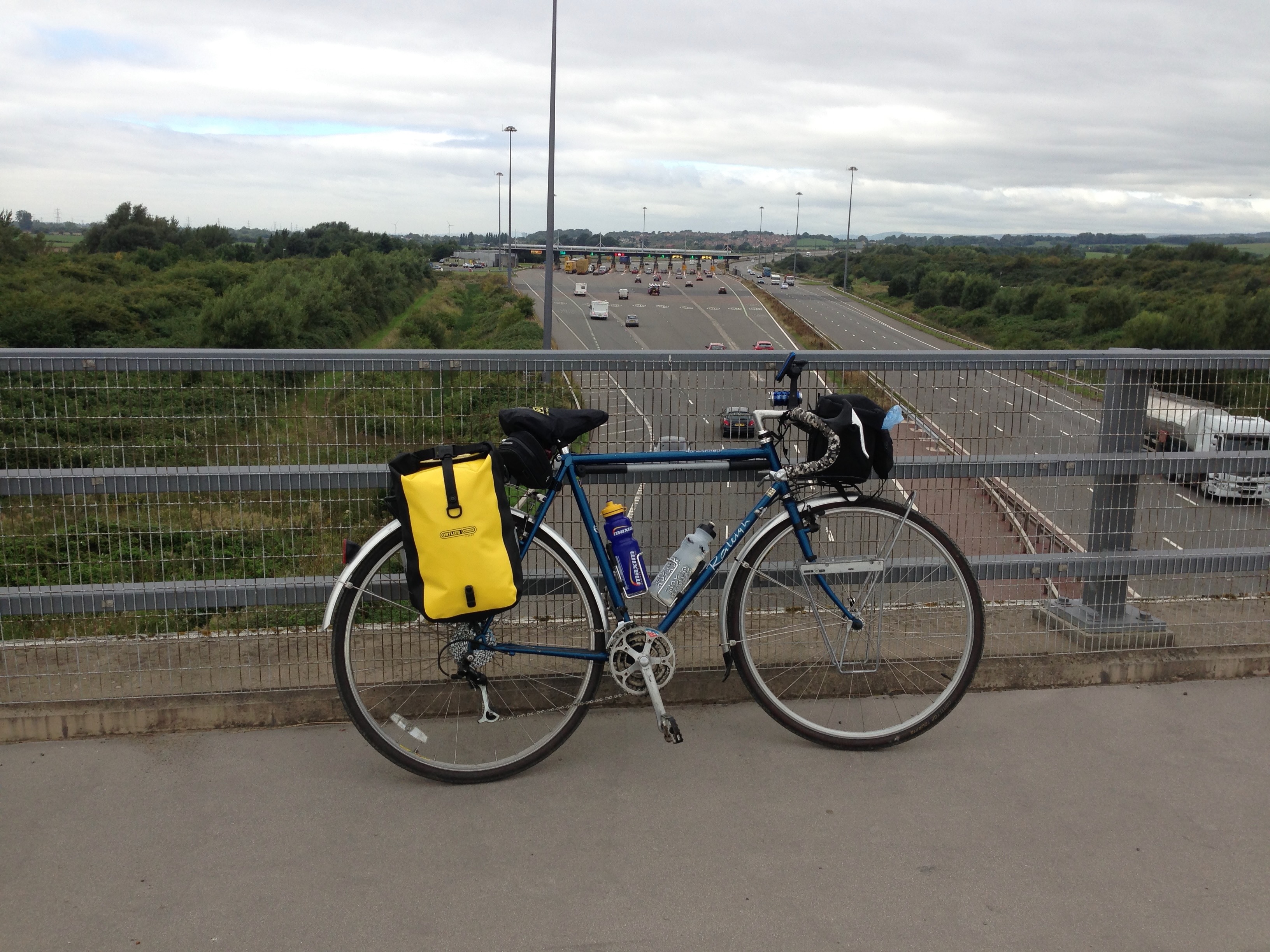
In short, this is a bike that has never let me down. It has given me some of my fondest cycling memories. So why am I now, disloyally, thinking of selling it?
The most logical answer is that I haven’t used it since riding 2014. I’ve long since fallen for the modern charms of light, carbon frame road bikes. (I bought my first, a Specialized Roubaix, the month I completed that last ride in 2014.) Cycling technology has moved on dramatically since my Randonneur was built in Nottingham in 1997. Electronic shifting, disc brakes, bigger tyres, e-bikes: the list is endless. I rode the curtailed London Edinburgh London (LEL) audax event on a carbon gravel bike last year, which proved a superb mount.
And yet…

As I grappled with the problem of how to carry gear for the five days of LEL on a carbon frame, I reflected on the effortless way the Randonneur’s front and rear racks carried up to four panniers – the issue here was the temptation to take too much stuff. (And a swaying, over-laden saddle bag was never an issue on Raleigh’s masterpiece.) I saw plenty of traditional steel touring bikes on LEL, as many recognised their timeless advantages.

Back in the 1990s the Randonneur competed with the Dawes Super Galaxy for the crown of Britain’s best touring bike. Raleigh pitched its contender as a fast tourer, but, having owned a Super Galaxy for five years, I couldn’t feel much difference once you’d loaded them with panniers. They were both magnificent machines. (I wrote nostalgically about the Galaxy in 2021 when Dawes stopped making it.) Touring bikes were designed to do a job well.
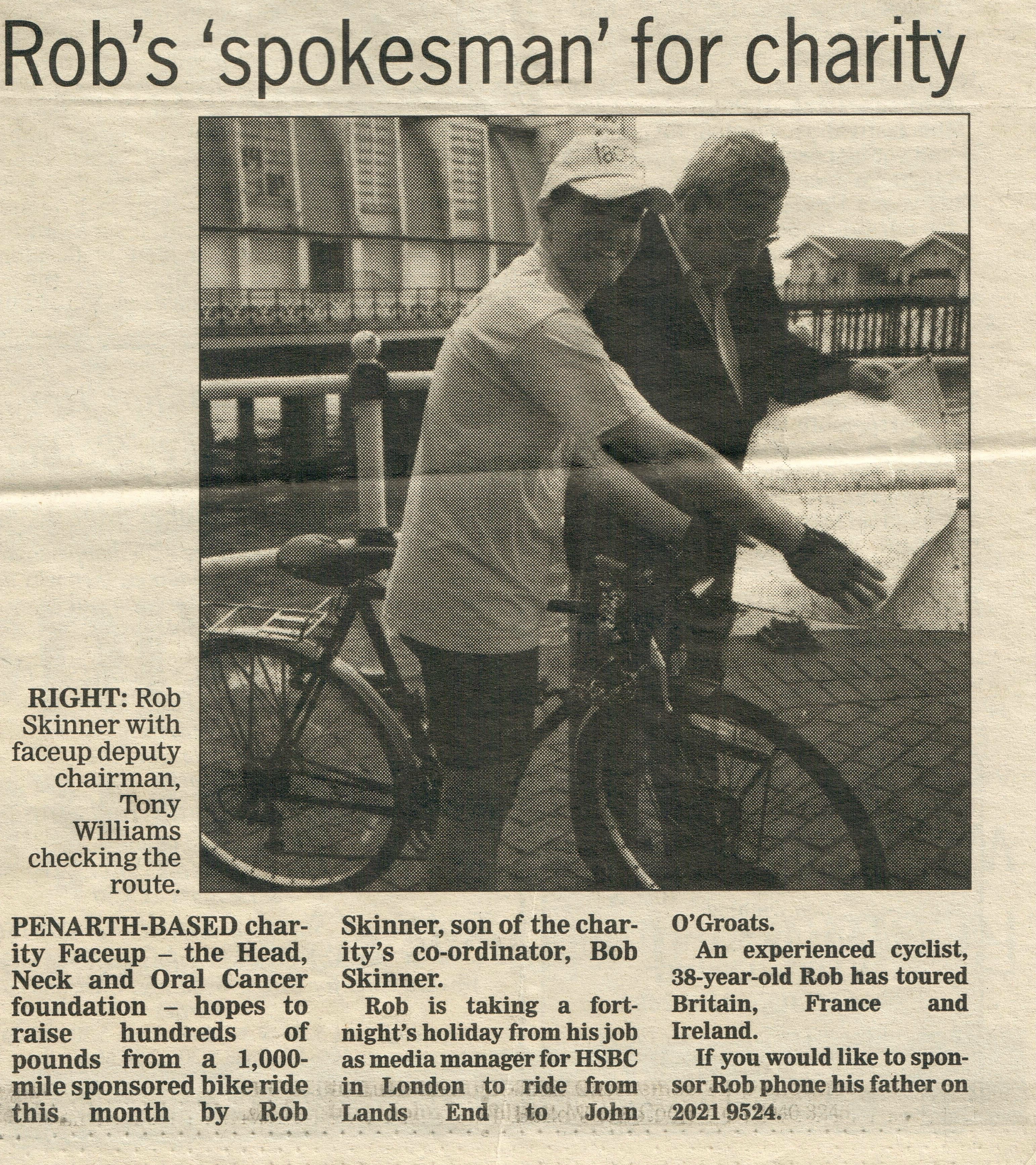
I’ll only get a few hundred pounds for the Randonneur, if I’m lucky. Money that will disappear in no time, paying for the essentials of everyday life. I’m lucky to have the option, but I’ll be left with a handful of special memories.
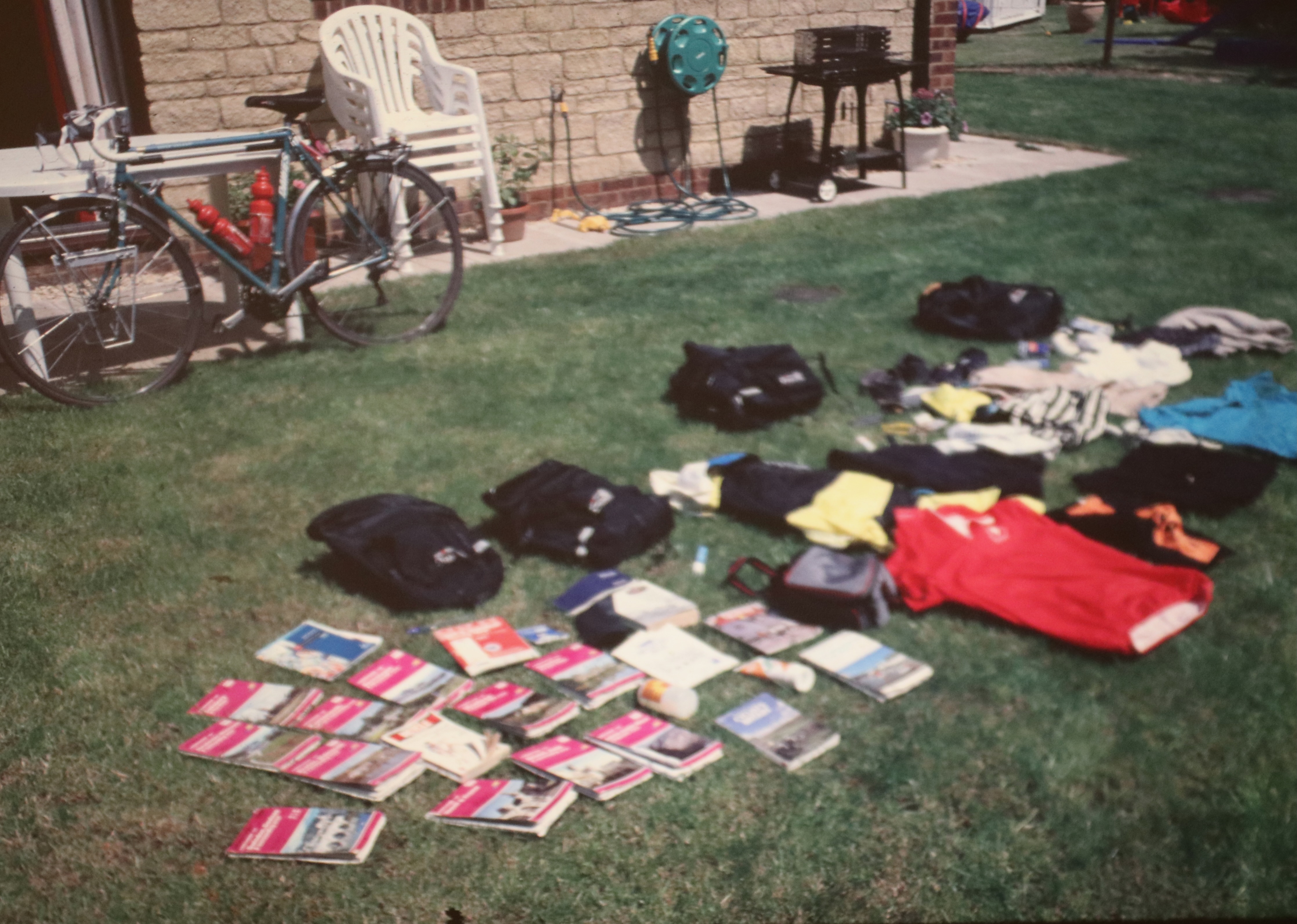
So why not get the old bike restored, with new tyres, cables and the like, to take it on a 1990s adventure in the 2020s? I am tempted, yet I’m also wary of going back. Would I be disappointed by the lack of the mod cons that today’s bikes feature? Sad that my beloved bike is a relic of another century?
I’ll take the plunge to list the bike on eBay in the coming days. If it doesn’t sell, I’ll know I wasn’t meant to be parted from my faithful steel steed!
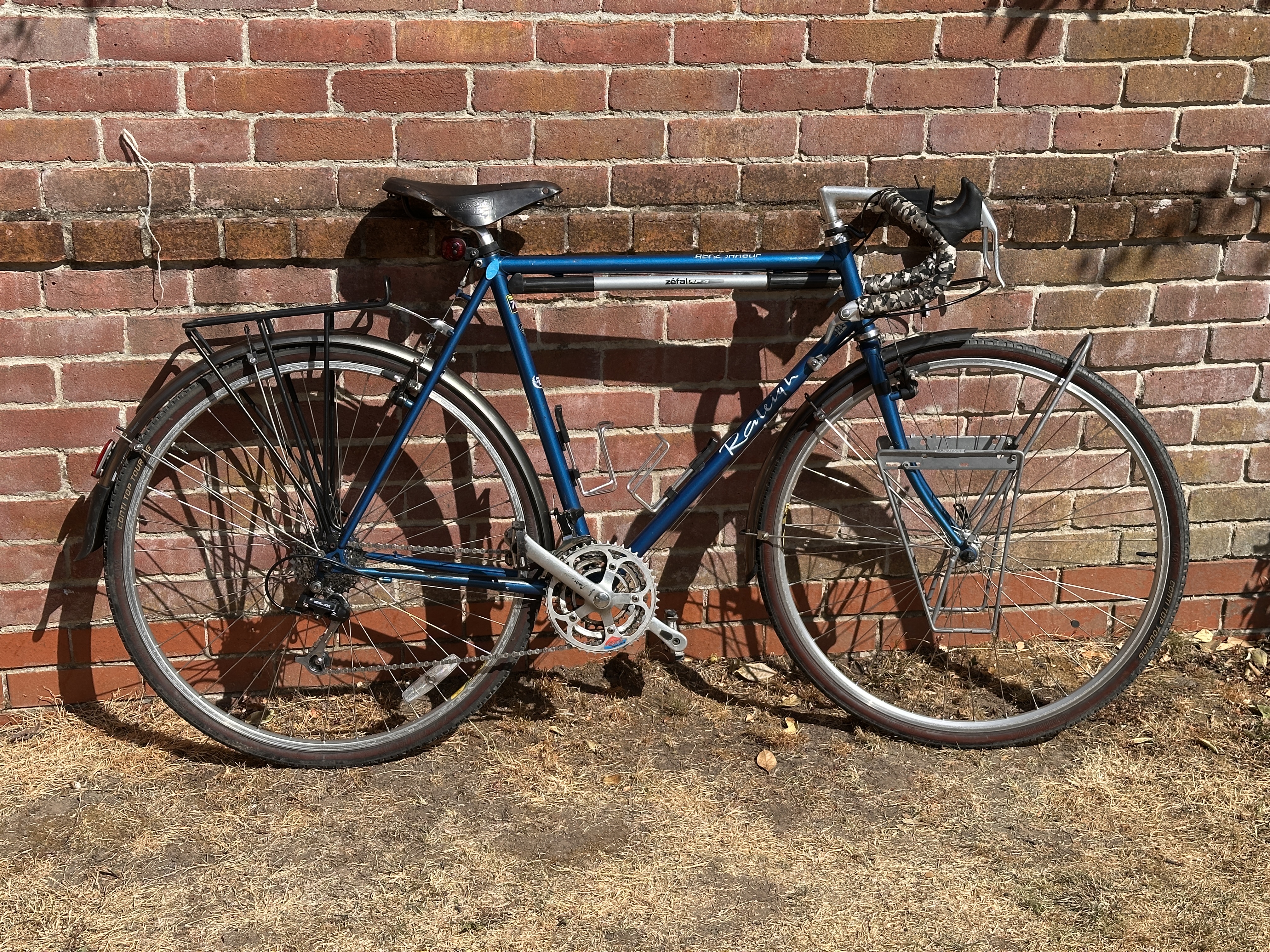
PS: The Randonneur was created by Raleigh’s Special Products Division in the late 1980s. It originally featured the classic Reynolds 531ST tubing before adopting Reynolds 708 tubing in the 1990s. Raleigh stopped making the Randonneur around 1999, soon before ending bike building in Britain. Raleigh still sells bikes, but the brand’s future is in doubt after 139 years as parent company Accell Group has fallen victim to the bike industry’s post pandemic slump.
.
Leave a Reply