
The BBC today reported that the last surviving Battle of Britain pilot has died. Group Captain John ‘Paddy’ Hemingway was aged 105. He travelled from Ireland to join the RAF on the eve of war and also fought in the Battle of France, in which the RAF desperately tried to hold off the German Blitzkrieg invasion of Britain’s ally.
Winston Churchill famously called the brave RAF pilots the Few:
‘Never in the field of human conflict was so much owed by so many to so few…’
Paddy Hemingway and his fellow fliers saved Britain during the glorious, sunny summer of 1940. The Germans hoped to wipe out the RAF, and so open the way for a seaborne invasion of Great Britain. The RAF’s young pilots won the battle, making the defeat of Nazi Germany possible five long years later.
James Holland brilliantly recreated the immense stress of those Battle of Britain pilots in his 2004 novel, The Burning Blue. He also reminds us how the life of the Battle of Britain crews was so different from that of men serving in the Royal Navy or the armies in North Africa or Italy. The Few lived and died in everyday British communities, fighting in blue skies over the patchwork fields of Kent and Sussex by day, and drinking in traditional English country pubs by night.
The stress must have been overwhelming as the battle progressed, as the RAF noted for Paddy Hemingway:
‘Towards the end of the October 1940, the strain of fighting and loss of comrades was beginning to take its toll on Paddy. He was particularly troubled by the loss of his dear friend ‘Dickie’ Lee DSO, DFC in August 1940, saying in later years that his biggest regret was the loss of friends.

British victory in the Battle of Britain famously relied on the bravery of pilots like Paddy Hemingway. But they could not have succeeded without the brilliant foresight of Sir Hugh Dowding, the commander in chief of Fighter Command. He created the world’s first integrated air defence system, known as the Dowding System. In essence, it was designed to identify enemy intruders and deploy fighters to intercept them. It brought together radar, human observers, operations rooms and anti-aircraft defences to give Britain a formidable advantage against the Luftwaffe. Dowding’s reward for victory was to be replaced at Fighter Command after an act of extraordinary disloyalty from his rivals. As the author Len Deighton put it, the RAF treated the victor more vindictively than the Germans treated the men who had lost the Battle of Britain.
You can today visit the Battle of Britain operations room at Uxbridge to understand how Britain’s air defences were managed. This is where Churchill first used the expression the Few, on the climactic day of the battle, 15 September 1940.
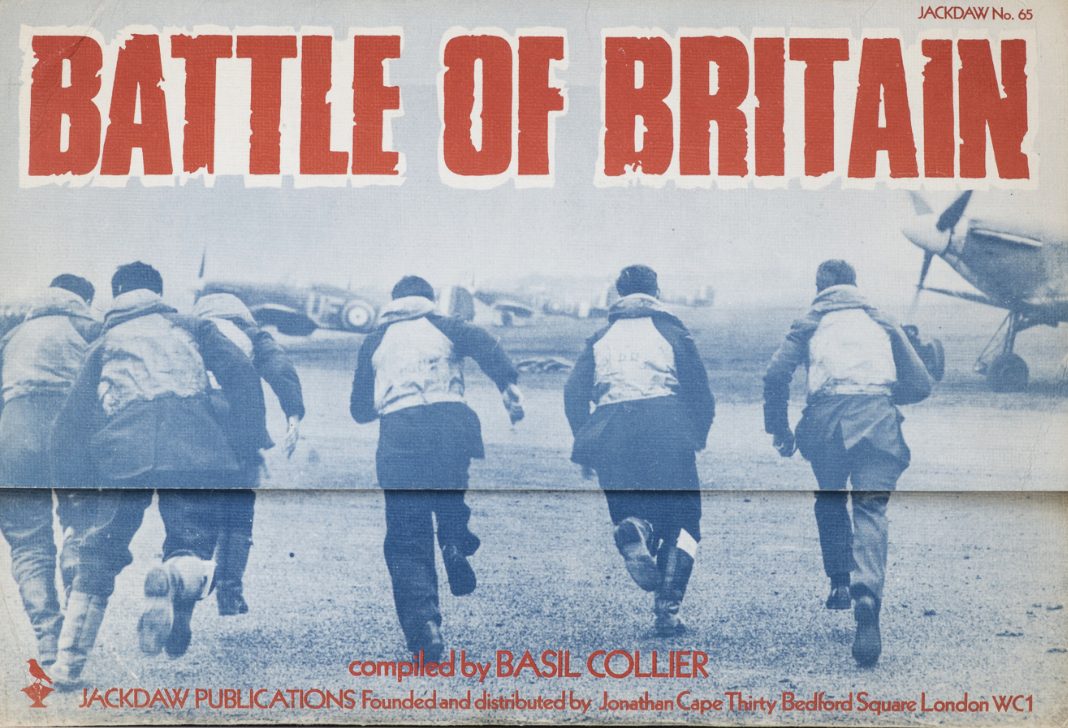
I first learned about the Battle of Britain by watching the Guy Hamilton film of that name on television on the 33rd anniversary of the battle in 1973. Later, I was given a Jackdaw folder telling the story of the battle through a time capsule folder of facsimile documents, combat reports, maps and letters. It included a reprint of a 1940 edition of the Daily Mirror. I added my late grandfather’s real second world war identity card. Jackdaws were a wonderfully vivid way of interesting children in historical events.
The last human links with history
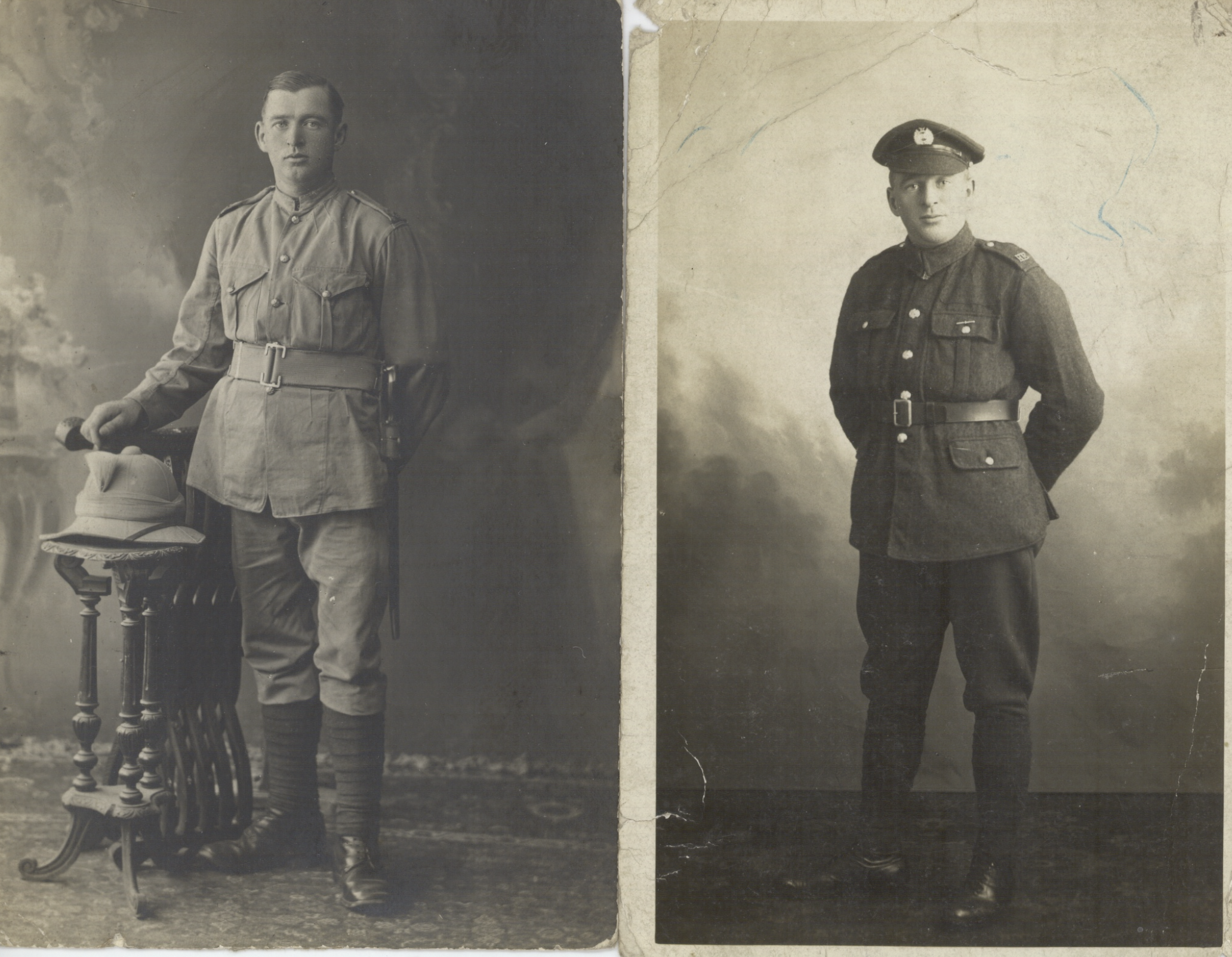
It’s always a poignant moment when the last survivor of a momentous event dies. Paddy Hemingway’s passing means the Battle of Britain is now history rather than the living memory of a combatant. Back in 2008, as I awaited the birth of my son Owen, I read the story of Harry Patch, who was then the last surviving British fighting soldier from the Great War. I was moved by the idea that someone who had fought in that terrible conflict more than 90 years earlier was alive at the same time as my newborn son. Harry died in July 2009.
But when was the Battle of Britain?
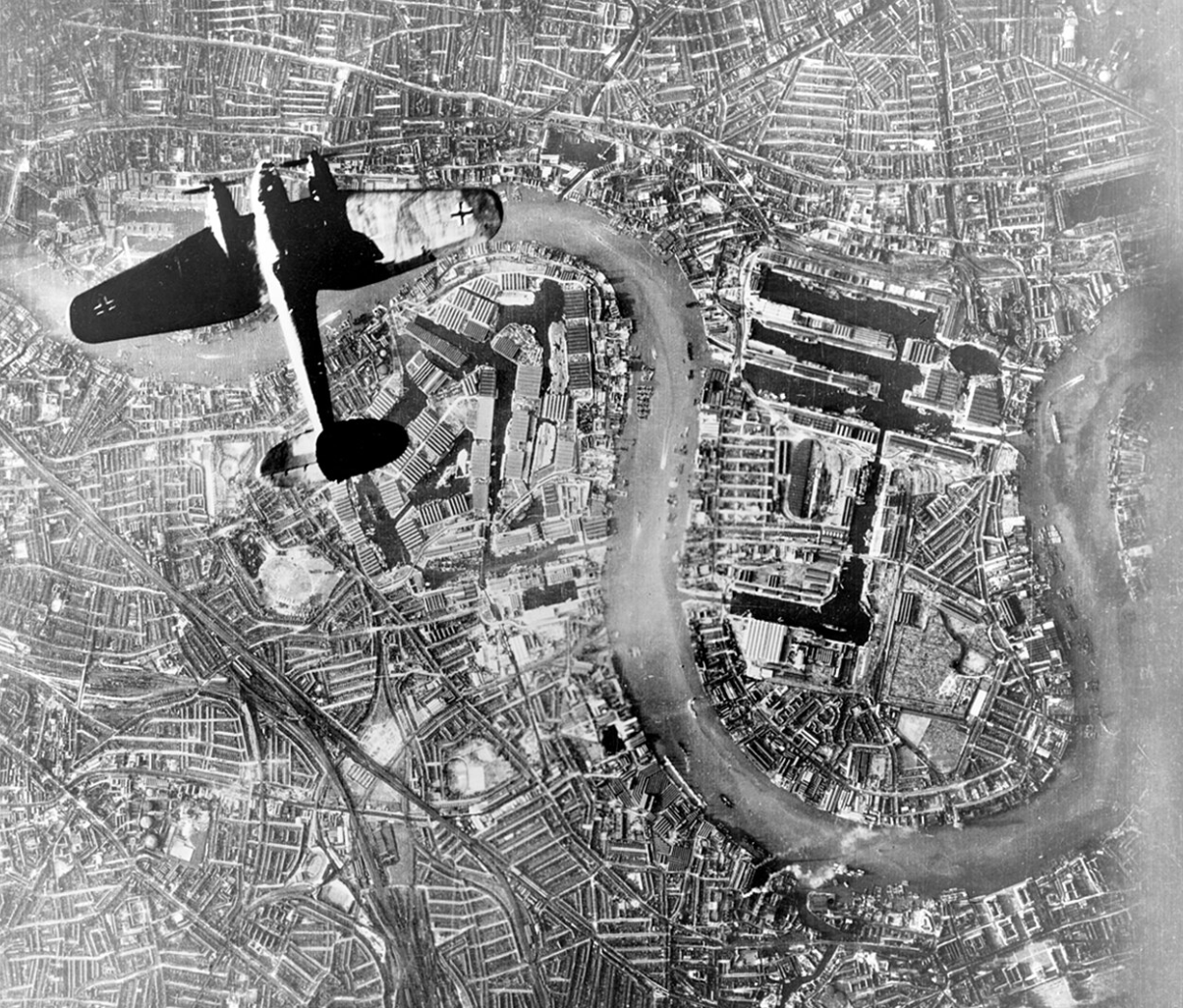
I was amazed by my father’s question: was the Battle of Britain 1940 or 1941? He was never very good on dates, but surely even Dad in 2012 should know that 1940 was the year? Then the penny dropped. Dad lived through that Spitfire summer, so for him the battle was news, not history. His memories were of being bombed, and of racing to an air raid shelter with his sister when the frightening sirens sounded. Being bombed during the Battle of Britain and in the Blitz that continued into 1941 were the same experience for a 13 year old. It wasn’t the last time, however, I corrected Dad on his dates!
 Ertblog
Very interesting, thank you.
Occasionally my pc throws up a photo of my Dad wearing his RAF uniform.
He served from 1939 – 1952.
Glad you liked it! I have a precious photo of my uncle and Dad in their RAF and Army uniforms in 1944.